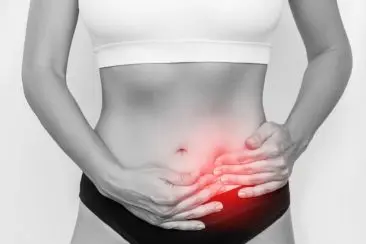
Why Stress Affects Your Gut
Yes, stress can cause stomach problems. When you feel stressed, your brain releases hormones that affect your digestive system. These hormones can change how food moves through your gut and how much acid your stomach makes. This may lead to bloating, cramps, indigestion, nausea, or even diarrhoea. Stress does not just make you feel worried; it can also cause real stomach discomfort.
The link between stress and digestion is called the gut-brain connection. Your brain and stomach are constantly communicating through nerves and chemical signals. When stress upsets this balance, your stomach often reacts. You might feel butterflies before a big event, feel sick when you are anxious, or get sudden stomach pain.
If stress continues for a long time, it can make stomach issues worse. It may trigger or increase problems such as irritable bowel syndrome (IBS), gastritis, or acid reflux. Stress is not the only cause of these conditions, but it can make symptoms more severe and harder to control.
Understanding how stress affects your stomach is the first step to feeling better. With simple lifestyle changes, stress management, and advice from a healthcare professional, you can calm your mind and support a healthier stomach.
How the Gut–Brain Axis Triggers Digestive Symptoms
The connection between your brain and your gut is not just a saying; it is a real communication system. Scientists call it the gut-brain axis (GBA). It means that stress, whether emotional or physical, can directly affect how your digestive system works.
1. The Gut-Brain Axis in Simple Terms
Your digestive system is like a second brain. It has its own network of nerves, called the enteric nervous system. This system communicates with your main nervous system through nerves (like the vagus nerve), hormones, immune signals, and even the helpful bacteria in your intestines.
When you feel stressed, your brain sends signals that change how your gut works. This can affect how quickly food moves through your system, how much acid your stomach makes, and how sensitive your gut becomes. The state of your gut can also send messages back to your brain, influencing how you feel both physically and emotionally.
2. What Happens When Stress Affects Your Gut
Here are some ways stress can change how your digestive system works:
- Changes in gut movement (motility): Stress can trigger a fight or flight response, which moves blood away from your digestive organs. This can slow or speed up digestion, causing cramps, diarrhoea, or constipation.
- More acid and secretions: Stress can increase stomach acid or other digestive juices, leading to heartburn or indigestion.
- Increased pain sensitivity: Long-term stress can make the nerves in your gut more sensitive. Normal sensations such as gas or fullness may start to feel painful. This is called visceral hypersensitivity.
- Changes in gut bacteria: Stress can alter the balance of bacteria in your intestines, affecting digestion, immunity, and the signals between your gut and brain. Studies show that stress can disturb bacterial balance and alter gut-brain communication.
- Weakened gut barrier and immune changes: Stress can make the gut lining weaker, cause inflammation, and change how your immune system reacts. This can lead to discomfort or long-term stomach problems.
Short-Term vs Long-Term Stress
- Short-term stress (for example, before a test or a big event) can temporarily alter digestion. You might feel queasy or gassy, or suddenly need to use the toilet. These symptoms usually go away once you relax.
- Long-term stress is more harmful. If your body stays in a state of stress, your digestive system stays out of balance. This can cause lasting problems like ongoing pain, inflammation, or conditions such as irritable bowel syndrome (IBS) or functional dyspepsia. Research shows that long-term stress can worsen digestive symptoms.
Why Some People Are More Affected Than Others
- Resilience: Some people handle stress better because they have stronger coping skills or lower levels of inflammation.
- Gut bacteria: Everyone’s gut bacteria are different, and some types may make people more sensitive to stress
- Existing digestive problems: If you already have a condition like IBS or acid reflux, stress is more likely to trigger symptoms
- Lifestyle habits: Poor sleep, lack of exercise, eating too many processed foods, and drinking too much caffeine or alcohol can all make stress affect your gut more
- Emotional health: Anxiety and depression are often linked to digestive symptoms because of the shared gut-brain pathways.
Stress Stomach Symptoms to Watch For
Stress affects everyone differently. Some people may only feel mild bloating or a bit of nausea, while others may have stronger or ongoing stomach problems. Below are some of the most common ways stress can affect your stomach and intestines, based on medical research.
1. Stomach Pain and Cramping
A common sign that stress is affecting your gut is stomach pain or cramping. Stress makes the nerves in your intestines more sensitive, so normal sensations such as gas or digestion can feel painful. This is called visceral hypersensitivity and is often linked to irritable bowel syndrome (IBS).
A study in The Journal of Physiology found that long-term stress can increase pain signals between the gut and brain. This helps explain why some people feel cramps even when their stomach looks normal on tests.
2. Bloating and Gas
Bloating is another common problem linked to stress. When you are tense, you may breathe more shallowly and tighten your stomach muscles, which can trap air and slow digestion.
Stress can also upset the balance of bacteria in your gut, causing more gas. A study in Frontiers in Microbiology found that prolonged stress can alter gut bacteria, leading to increased bloating and discomfort.
3. Nausea or Loss of Appetite
If you lose your appetite when you are stressed, that is normal. The body’s stress response slows digestion and reduces the release of hunger hormones. This can make you feel sick, full, or uninterested in food.
According to Harvard Health, stress hormones can also speed up stomach emptying, leading to nausea or a lack of appetite during emotional moments.
4. Diarrhoea or Constipation
Stress can cause both diarrhoea and constipation, even though they are opposites. It changes how fast food moves through your intestines. For some, food moves too quickly, leading to loose stools. For others, it moves too slowly, causing constipation.
5. Heartburn and Indigestion
Stress does not directly cause acid reflux, but it can make it worse. When you are stressed, your body may produce more stomach acid and tighten muscles in your digestive system. This can increase reflux and make it feel more painful.
The American Journal of Gastroenterology reported that people with higher stress levels have more reflux symptoms, even if their acid levels are the same as those of others. This shows that stress can make you more sensitive to discomfort.
6. “Butterflies” or Tightness in the Stomach
That fluttery or tight feeling in your stomach before a big event is a normal stress response. It happens because stress hormones reduce blood flow to your stomach, slowing digestion. The feeling usually fades when you relax. This happens because the vagus nerve quickly sends signals between your brain and gut, showing how emotions can cause physical sensations.
7. Tiredness or Low Energy After Eating
Ongoing stress can impair digestion. When your body stays on high alert, it diverts more energy to your brain and muscles than to your stomach. This can slow digestion and make you feel tired or heavy after eating.
When to Take Symptoms Seriously
Mild symptoms caused by short-term stress often go away once you calm down. However, if your symptoms keep coming back or get worse, you should speak with a clinician. Warning signs include strong pain, vomiting, unexplained weight loss, or changes in stool colour. These may indicate another digestive condition that requires medical attention.
|
Symptom |
How Stress Affects It |
|
Stomach pain or cramps |
Makes gut nerves more sensitive, causing pain or discomfort |
|
Bloating and gas |
Tense stomach muscles and upset gut bacteria's balance |
|
Nausea or loss of appetite |
Slows digestion and reduces hunger signals |
|
Diarrhoea or constipation |
Changes how quickly food moves through the intestines |
|
Heartburn or indigestion |
Increases stomach acid and muscle tension in the gut |
|
Butterflies or tightness |
Reduces blood flow to the stomach during stress |
|
Tiredness after eating |
Slows digestion and lowers nutrient absorption |
Digestive Conditions Stress Can Worsen
Stress alone does not usually cause digestive diseases, but it can make them worse or harder to manage. The gut-brain connection explains why stress often increases stomach and bowel problems. Below are some common conditions that stress can trigger or exacerbate.
1. Irritable Bowel Syndrome (IBS)
IBS is one of the most common digestive problems linked to stress. It affects how the gut works, even though there is no clear damage to the intestines. Stress can make symptoms such as cramps, bloating, diarrhoea, or constipation worse. It also changes gut bacteria and how sensitive your gut is to pain. Managing stress through relaxation, counselling, or healthy routines can help ease IBS symptoms.
2. Functional Dyspepsia (Indigestion)
Functional dyspepsia causes regular upper stomach pain or discomfort without a clear cause. Stress can prevent the stomach from relaxing properly after eating, which may lead to bloating, nausea, or a feeling of fullness. It can also affect acid levels, leading to indigestion. Learning to manage stress and eating smaller, balanced meals can help reduce flare-ups.
3. Acid Reflux (GERD)
Stress does not directly cause reflux, but it can worsen symptoms. When you are stressed, your body may produce more acid, and your stomach muscles may tighten. This makes it easier for acid to move up into the chest or throat, causing heartburn or burning pain. Relaxation techniques and lifestyle changes often help reduce reflux during stressful times.
4. Peptic Ulcers
Stomach ulcers are usually caused by bacteria (H. pylori) or some pain medicines, but stress can slow healing and make symptoms worse. Stress increases acid and weakens the stomach’s natural protective lining, which can lead to more irritation or discomfort. If you have ongoing pain, nausea, or dark stools, see a clinician for advice and treatment.
5. Gastritis (Stomach Inflammation)
Stress can increase acid production and reduce the protective mucus that shields your stomach lining. This can cause gastritis, an inflammation that may lead to pain, bloating, or nausea. People who already have reflux, high acid levels, or take certain medicines are more likely to notice this effect when stressed.
6. Inflammatory Bowel Disease (IBD) Flare-Ups
Stress does not cause Crohn’s disease or ulcerative colitis, but it can make flare-ups worse. Long-term stress affects the immune system and increases inflammation in the gut, leading to more pain, diarrhoea, or fatigue in people with IBD. Keeping stress levels low can help reduce the number and intensity of flare-ups.
7. Appetite and Weight Changes
Stress can change how hungry you feel. Some people lose their appetite, while others eat more for comfort. Both can affect digestion and energy levels. Eating balanced meals and finding healthy ways to cope with stress can help keep your appetite steady.
How Stress-Related Stomach Problems Are Diagnosed
If you have ongoing stomach problems and think stress might be a cause, a proper check-up is the best way to understand what is happening. Because stress can both cause and worsen digestive issues, a clinician will look at your overall health, lifestyle, and emotional well-being to find the full picture.
1. Talking About Your Symptoms
The first step is usually a chat about your symptoms. Your clinician will ask when they started, how often they happen, and what makes them better or worse. They may also ask about:
- Bowel habits: How often you go to the toilet and any changes in your stool.
- Other symptoms: Bloating, nausea, tiredness, or loss of appetite.
- Lifestyle: Your diet, sleep, exercise, caffeine, and alcohol use
- Stress or emotions: How you feel day to day, and whether anxiety or life changes might be affecting your stomach
Talking about both your physical and emotional health helps the clinician see how stress and digestion might be linked.
2. Physical Check-Up
The clinician may gently feel your stomach to check for pain, swelling, or unusual sounds. They might also look for signs of weight loss or dehydration.
If your stomach feels normal during the check-up but your symptoms keep happening, you may need a few simple tests to rule out other causes like ulcers or bowel inflammation.
3. Tests You Might Have
The tests depend on your symptoms and medical history. Common ones include:
- Blood tests: To check for infection or inflammation.
- Stool tests: To rule out infection or signs of gut inflammation.
- pylori test: To check for bacteria that can cause ulcers.
- Endoscopy: A small camera is used to look at your stomach and oesophagus if needed.
- Other tests: Sometimes, tests are done to check gut bacteria or acid levels.
These tests help confirm whether your stomach symptoms are stress-related or caused by another condition.
4. Checking Your Emotional Health
Since stress, anxiety, and mood changes often affect digestion, your clinician may ask how you are coping emotionally. In some cases, they might suggest talking to a therapist or counsellor. This is not just about mental health, it helps find and treat one of the main causes of stress-related stomach symptoms.
5. Understanding the Results
If no serious medical problem is found, your symptoms may be part of a functional digestive disorder. This means your digestive system looks healthy but is reacting to stress or changes in how your gut works.
Your clinician may suggest a mix of:
- Lifestyle changes (diet, exercise, and sleep)
- Stress management (relaxation, breathing, or mindfulness)
- Medication if symptoms are strong or ongoing
The goal is to help your body and mind work together so your stomach feels calmer and stronger over time.
Evidence-Based Treatment for Stress-Related Gut Symptoms
Stress-related stomach problems are very real, but the good news is that most can be managed with the right mix of self-care and medical help. By taking care of both your mind and your body, you can help your digestive system work more smoothly and feel more comfortable. Here are some proven ways to calm your stomach and support better digestion.
Self-Care You Can Start Today
1. Practice Relaxation Techniques
Relaxation is not just about feeling calm, it can also improve digestion. When you relax, your body lowers stress hormones and helps your gut work normally again.
Try these simple methods:
- Deep breathing: Slow, steady breathing helps your body relax and can ease stomach tightness.
- Mindfulness or meditation: Paying attention to your breathing and body can help calm your mind and reduce stomach pain or bloating.
- Yoga or gentle stretching: Light exercise relaxes muscles, improves digestion, and can help reduce anxiety.
Keep a Simple Routine for Meals
Eating in a rush or skipping meals can make stress-related stomach problems worse. A calm and regular eating routine helps your digestion.
Tips to follow:
- Eat smaller meals more often instead of large heavy ones.
- Take time to chew slowly and avoid distractions while eating.
- Cut down on foods that can upset your stomach, like caffeine, alcohol, and spicy or fatty meals.
Eating mindfully helps your body digest food better and reduces discomfort after meals.
Move Your Body Regularly
Regular physical activity helps your gut move food along smoothly and reduces stress. You don’t need hard workouts, even light exercise makes a difference.
- Go for a short walk after meals to reduce bloating and gas.
- Try gentle exercises like swimming, cycling, or yoga.
Moving your body regularly also boosts mood and energy levels.
Focus on Quality Sleep
Good sleep helps your body recover and keeps stress hormones under control. Poor sleep can make your stomach more sensitive and slow digestion.
To improve sleep:
- Go to bed and wake up at the same time every day.
- Avoid caffeine and large meals close to bedtime.
- Keep your bedroom quiet, dark, and comfortable.
Support Gut Health Naturally
A healthy gut helps protect you from stress-related stomach issues. You can support it with simple diet changes:
- Eat probiotic foods like yogurt, kefir, or fermented vegetables to boost good bacteria.
- Include fibre-rich foods such as fruits, vegetables, and oats for healthy digestion.
- Drink enough water every day to stay hydrated.
These habits keep your gut bacteria balanced and your digestion regular.
Clinician-Guided Options
1. Short-Term Medication Relief
If self-care alone isn’t enough, a clinician may suggest short-term medicines such as:
- Antacids or acid-reducing tablets for reflux or heartburn.
- Antispasmodic tablets for stomach cramps.
- Treatments for diarrhoea or constipation.
These are used for short periods and always alongside lifestyle changes. Your clinician will make sure they are safe and right for your condition.
Gut-Directed Psychological Therapies
Since the brain and gut are connected, managing emotional stress can directly help your stomach. Two proven approaches are:
- Cognitive Behavioural Therapy (CBT): Helps you manage thoughts and emotions that affect digestion.
- Gut-Directed Hypnotherapy: Uses relaxation and guided imagery to calm the gut and reduce pain.
These techniques help both your mind and body feel more balanced.
Nutritional and Stress Counselling
A clinician might refer you to a dietitian or counsellor if stress or diet plays a big role in your symptoms. They can help you:
- Identify trigger foods.
- Create a gut-friendly meal plan.
- Learn healthy ways to manage stress.
This approach supports long-term stomach health by tackling both diet and emotional wellbeing.
Regular Follow-Ups
Even if your symptoms improve, regular check-ins with your clinician can help track progress and prevent flare-ups. Small changes can make a big difference when managed early. A steady follow-up plan helps you stay aware of your triggers and maintain a healthy balance between your mind, body, and gut.
|
Tip |
How It Helps |
|
Relaxation |
Deep breathing or yoga reduce stress and calm digestion. |
|
Regular meals |
Small, balanced meals prevent bloating and reflux. |
|
Stay active |
Light exercise improves digestion and mood. |
|
Good sleep |
Rest helps the gut recover and lowers stress. |
|
Gut-friendly diet |
Probiotics, fibre, and water keep digestion regular. |
|
Short-term medicine |
Eases cramps, acid, or bowel changes when advised by a doctor |
When to Seek Medical Advice for Stomach Symptoms
Stress doesn’t just affect your thoughts or mood, it can upset your stomach too. When you feel stressed, your brain sends signals that change how your stomach and intestines work. This can lead to cramps, bloating, heartburn, or changes in your bowel habits.
The good news is that stress-related stomach problems can often be managed. Simple steps like relaxing, eating slowly, staying active, and getting enough rest can make a big difference. When needed, talking to a clinician can help you find the best way to control your symptoms and protect your digestion.
If your stomach problems keep coming back or are making daily life uncomfortable, Mobi Doctor can help. You can have an online consultation with a qualified clinician who will listen, guide you through your symptoms, and help you feel better with a clear, personalised plan.