What counts as urgent care in the Netherlands
Urgent care in the Netherlands means seeing a doctor on the same day for a health problem that is not life-threatening, but still needs medical help quickly. These are problems where waiting a few days could make things worse or cause more pain.
This type of care is for sudden illnesses, ongoing symptoms, or changes in how you feel while travelling. Many tourists are unsure if their problem is serious enough to see a doctor. Urgent care helps with problems that are too serious to ignore but not severe enough for the emergency room.
Urgent care is not the same as going to a pharmacy. Pharmacies can help with minor problems, such as mild pain or common cold symptoms. They can also give basic medicines. However, they cannot diagnose illnesses or treat worsening infections. If pain, fever, or discomfort persists or worsens, seeking urgent care is the right choice.
Urgent care differs from emergency care. Emergency rooms are for very serious problems, such as severe injuries or danger to life. They are not meant for non-emergency issues. Using urgent care when appropriate helps you get the right help faster.
Examples of urgent care include:
- Infections that start suddenly or get worse.
- New pain or pain that keeps increasing.
- Health problems that stop you from enjoying daily activities.
- Symptoms that need medical advice within hours, not days.
Knowing when to use urgent care can help you feel safer and more confident while travelling.
Common Reasons Tourists Need Urgent Care In The Netherlands
While travelling in the Netherlands, tourists often feel unwell or get injured. Long days, walking a lot, new foods, weather changes, and travel stress can all affect your health. Even people who are usually healthy may need urgent medical care while on holiday.
Below are some common reasons tourists seek urgent care.
- Fever and infections: Fever, chills, body aches, or feeling very tired can be signs of an infection. If these symptoms start suddenly or get worse quickly, it is a good idea to see a doctor the same day.
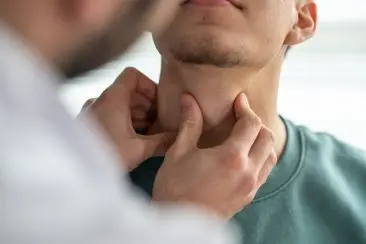
- Severe sore throat: A bad sore throat can make it painful to eat, drink, or sleep. Swollen glands, fever, or severe pain when swallowing are common reasons tourists seek urgent care.
- Ear pain or sinus pressure: Ear pain, blocked ears, or sinus pressure often happen after flying or during a cold. These problems can cause pain, dizziness, or trouble hearing and may need medical advice if they do not improve.
- Urinary tract infections: Urinary tract infections can cause burning pain, discomfort, or a frequent urge to urinate. These symptoms can be upsetting while travelling and usually need prompt medical care.
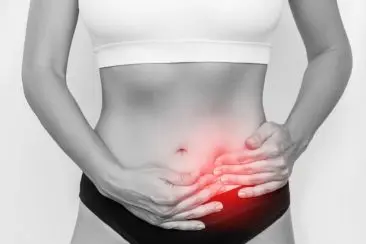
- Stomach and bowel problems: Nausea, vomiting, diarrhoea, or stomach pain can happen after eating unfamiliar food or due to infections. If symptoms last, are painful, or cause dehydration, urgent care is important.
- Asthma or breathing problems: People with asthma may have flare-ups caused by cold air, allergens, or infections. More coughing, wheezing, or shortness of breath often means medical advice is needed the same day.
- Skin infections or rashes: Red, swollen, warm skin or spreading rashes can be signs of infection or allergy. These problems should be checked promptly to prevent them from worsening.
- Minor injuries: Sprains, strains, or small cuts are common when walking, cycling, or sightseeing. While not emergencies, they may still need a doctor to check for problems and advise on recovery.
These health issues are usually not life-threatening, but they can affect your trip if ignored. Urgent care helps tourists get timely medical advice so they can feel better and enjoy their travels.
How To Get Urgent Care In The Netherlands
If you need urgent medical help in the Netherlands, there are a few ways to get care. The best option depends on how serious your symptoms are, what time it is, and whether you can travel to a clinic. Knowing your options ahead of time can save stress and time.
Walk in urgent care clinics
In the Netherlands, urgent care for non-emergency problems is usually provided by GP clinics. These include out-of-hours GP services for evenings, nights, weekends, and holidays.
Tourists can use these clinics even if they are not registered with a local doctor. You may be asked for ID and to explain that you are visiting the country. In many cases, you can be seen and treated on the same day.
Waiting times can change depending on how busy the clinic is. Evenings and weekends are often busier. Some clinics ask you to call first before coming in, while others allow walk-in visits.
These clinics are suitable for:
- Infections
- Ongoing or worsening pain
- Sudden illness
- Minor injuries
Pharmacies with a limited role
Pharmacies are easy to find across the Netherlands and can help with very mild problems. Pharmacists can give advice and suggest over-the-counter medicines for things like:
- Mild pain
- Colds
- Allergies
However, pharmacies have limits. They cannot diagnose illnesses or treat worsening problems. If symptoms continue, become painful, or cause concern, a pharmacy visit is usually not enough.
Pharmacists may advise you to seek urgent medical care if they feel your symptoms need a doctor’s assessment.
Online Urgent Care
Online urgent care allows you to get same-day medical advice without going to a clinic. This can be helpful if you are unsure what to do, feel unwell while travelling, or find the local system confusing.
You can explain your symptoms and receive guidance on the next steps. This may include:
- Advice on managing symptoms
- Reassurance for mild issues
- Guidance on whether you need to attend a clinic in person
Online urgent care helps tourists make informed decisions about their health. It helps you decide what to do next, especially when symptoms appear suddenly or when access to a clinic is unclear.
Knowing these options can help you feel more confident and prepared if you need urgent medical care while travelling in the Netherlands.
When To Go To The Emergency Room Instead
Some health problems are very serious and require immediate help. These should not be handled through urgent care. If any of the symptoms below occur, go to the emergency room immediately or call for emergency help.
Emergency care is needed if someone has:
- Trouble breathing or very severe shortness of breath.
- Chest pain or strong pressure in the chest.
- Sudden weakness, a drooping face, or trouble speaking.
- Heavy bleeding that will not stop.
- Collapse or loss of consciousness.
In the Netherlands and in the rest of the European Union, the emergency number is 112. Call this number if someone needs urgent, life-saving medical help.
Urgent care services and online urgent care are not for emergencies. Knowing when symptoms are serious and acting quickly can help save lives and ensure prompt, appropriate care.
How Online Urgent Care Helps Tourists In The Netherlands
Online urgent care can be very helpful for tourists who feel unwell and are not sure what to do next while travelling in the Netherlands. When symptoms appear suddenly, getting same-day medical advice can make the situation feel much less stressful.
One key benefit of online urgent care is its support for decision-making. Tourists can explain their symptoms clearly and receive medical advice on whether they need to see a doctor in person or if the problem can be managed with simple guidance and monitoring. This is useful when symptoms are worrying but not clearly serious.
Online urgent care also means you do not have to figure out the local healthcare system straight away. This can be helpful if you do not know how GP clinics work or cannot easily find one nearby.
Language can sometimes be a problem when travelling. Online urgent care can make communication easier, helping tourists describe how they feel and understand medical advice more clearly. This can give extra confidence when choosing what to do next.
If needed, online urgent care can guide tourists to the appropriate in-person care, such as an urgent care clinic or the emergency department, depending on the severity of their symptoms. Online urgent care should not be used for emergencies or life-threatening problems.
Overall, online urgent care helps tourists feel supported and informed when health issues arise during their trip.
Conclusion
Needing medical care while travelling can be unsettling, but urgent care is accessible for tourists in the Netherlands. Understanding what qualifies as urgent care and knowing the available options can make the process smoother. With the right information, travellers can respond calmly to health concerns and seek appropriate support when symptoms arise.