Common STIs can be worrying, but most infections are manageable when found early. This guide to 10 common STIs explains typical symptoms, how each infection is tested and the main treatments, so you know when to seek help and how to protect your sexual health.
Ten Common STIs: Symptoms, Testing and Treatment Options
Provide a clear overview table of the 10 most common STIs, their typical symptoms, how each infection is diagnosed and the main treatments offered, helping readers compare conditions at a glance.
Common STIs such as chlamydia, gonorrhoea, HPV, and herpes can be diagnosed via testing and treated with antibiotics or antivirals. Safe sex practices and early testing are key to prevention and effective care.
Although some sexually transmitted infections take time, and others have no symptoms, looking after your sexual health is always a good idea.
Summary of 10 Common STIs: Symptoms, Testing and Treatment
| STI | Typical Symptoms | Usual Treatment |
|---|---|---|
| Chlamydia | Discharge, pain when urinating | Oral antibiotics prescribed by a doctor |
| Gonorrhoea | Green or yellow discharge, painful urine | Combination antibiotic injection and tablets |
| Genital herpes | Painful blisters, ulcers, tingling | Antiviral tablets and self care measures |
| Genital warts | Flesh coloured bumps, itching | Topical treatments, freezing or removal |
| Trichomoniasis | Vaginal or penile discharge, irritation | Specific antibiotic course (e.g. metronidazole) |
| Syphilis | Painless sore, later flu like symptoms | Targeted antibiotic course or injections |
| Pubic lice | Intense itching, visible lice or eggs | Medicated creams or shampoos, repeat dose |
| Scabies | Night time itching, rash or burrows | Whole body cream or lotion, repeat after a week |
| HPV (other types) | Often no symptoms, abnormal cervical cells | Monitoring, treatment of affected cells |
| HIV | Early flu like illness, later infections | Long term antiretroviral therapy |
Why Regular STI Testing Is So Important
Explain why many common STIs cause few or no symptoms, how untreated infections can lead to complications, and why routine sexual health checks are crucial after new or unprotected sexual partners.
The symptoms of some STIs, such as chlamydia, may not be evident. The consequences of not treating them can be severe. Fortunately, all of them can be treated by a doctor.
When you've had unprotected sex with a new partner, always get tested to protect yourself. The best way to avoid getting an STI with a new partner is to use a barrier method like male or female condoms
A list of 10 common sexually transmitted infections (STIs), their symptoms, and how the infection can be diagnosed and treated is provided below.
Chlamydia: Common Symptoms, Testing and Treatment
Describe typical chlamydia symptoms in women and men, how the infection can affect fertility, which tests are used and how antibiotic treatment works, including advice on avoiding sex until treatment is completed.
Several symptoms can be seen in women, including pain during urination; strange discharge from the vaginal region; pain in the abdomen or pelvis; or, extra sensitivity during sex, bleeding after sex, and bleeding between periods. Women may experience infertility and ectopic pregnancy if they do not treat chlamydia.
Pain in the testicles, burning or itching in the urethra, white, cloudy or watery discharge from the tip of the penis, and pain when urinating should be looked out for by men. Infection can cause swelling in the epididymis and testicles if left untreated. This might affect fertility. Chlamydia can also affect the throat (although this is rare), rectum (via anal sex) and eyes.
Testing
This test involves taking a urine sample or swabbing your cheek. Sexual health clinics, contraceptive clinics, or your doctor can perform the test for you. The kit can be sent to you free of charge by pharmacies and other local locations if you are under 25. Find venues in your area.Treatment
Infections are treated with antibiotics. As long as the infection persists, you should avoid sex.
Gonorrhoea: Key Symptoms, Testing and Treatment
Outline how gonorrhoea is transmitted, common symptoms or lack of symptoms, recommended testing methods and antibiotic treatment, and why early management matters to prevent complications and partner transmission.
There is no cure for gonorrhoea, which is caused by a bacteria known as Neisseria gonorrhoeae or gonococcus, which can be spread through unprotected vaginal, anal and oral contact, and contact with genital fluid, including sharing sex toys. There is a possibility of it affecting the throat or eyes less frequently. If it is passed on during labour, it can cause a newborn to become permanently blind.
Symptoms
In addition, you may experience discomfort or pain in the lower abdomen/vaginal area. A thick green or yellow discharge may come from the vagina or penis, or there may be a pain when urinating. Over half of the women and one in ten men do not experience symptoms.
Testing
It can be done by swabbing or urine testing for men. Women with gonorrhoea can develop PID and infertility if left untreated.
Treatment
To clear the infection, antibiotics will be administered. The drug can be injected, taken as a tablet, or combined.
Trichomoniasis: Causes, Diagnosis and Effective Treatment
Summarise what causes trichomoniasis, how it can present with or without symptoms, how it is diagnosed with genital examinations and swabs, and how it is usually treated with specific antibiotics for both the patient and partners.
Trichomonas vaginalis is the parasite that causes trichomoniasis.
Symptoms
As with many other STIs, it usually develops within a month of infection, making it difficult to diagnose. Infectious diseases can still occur even when people do not develop symptoms.
Testing
A genital exam and a vaginal or penis swab sample are used to diagnose this condition. Your sexual partner and any other recent partners should also be tested and treated if the test is positive.
Treatment
In most cases, it will not go away independently, but it can be effectively treated with antibiotics (often metronidazole).
Genital Warts from HPV: Symptoms and Treatment Options
Explain how HPV causes genital warts, what signs to look for, how genital warts are examined in clinic, and the range of treatments such as topical medicines, freezing or surgical removal, plus the role of condom use and cervical screening.
The virus responsible for causing the condition is the human papillomavirus (HPV). In women, approximately 13 types of HPV cause cervical cancer, which is one among hundreds of different types. Cervical cancer is caused by a strain of HPV that doesn't cause genital warts, but regular cervical screenings are still highly recommended. Condoms are the best way to prevent infection.
Symptoms
You may experience lumps or bumps around your genitals or anus or fleshy, cauliflower-like growths. Additionally, discomfort, itching, bleeding may occur, and changes in urine flow.
Testing
A physical examination of the genital area is used to test for genital warts.
Treatment
Warts can be removed with prescription creams or liquids over several weeks or with surgery in which they are cut, burned, lasered, or frozen off.
Genital Herpes: Outbreak Symptoms, Testing and Ongoing Care
Cover how genital herpes is transmitted, what a typical outbreak looks and feels like, how swab tests confirm the diagnosis, and how antiviral medicines and self care measures help manage recurrent episodes and reduce transmission risk.
Two types of herpes simplex viruses cause genital herpes, HSV-1 and HSV-2. In most cases, they are transmitted through sexual contact (vagina, penis, anus, mouth). Despite not showing symptoms, people can pass the herpes virus to others.
Symptoms
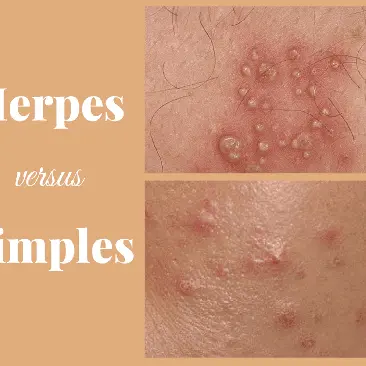
Open sores are caused by small, fluid-filled blisters (on the genitals or anus). Women may have a vaginal discharge when these burst and cause severe tingling and itching. Once infected, you may not experience symptoms for months or even years. They usually go away within two weeks but return periodically. There is usually a milder outbreak with recurrent outbreaks.
Testing
A swab of fluid is usually taken from the blisters that are affected.
Treatment
Despite its dormant nature, herpes can remain dormant in the body for months or even years. To prevent your symptoms from worsening, you might be treated with antiviral medication. Pain and itching can also be relieved with local anaesthetic ointments and soothing creams. It is also helpful to take a cool shower or bath.
Pubic Lice (‘Crabs’): Signs, Diagnosis and Treatment
Describe what pubic lice are, the itching and visible signs they cause, how a clinician examines the affected hair, and which medicated creams or shampoos are used, including the need to repeat treatment and treat sexual partners.
An insect that lives on pubic hair near the penis or vagina is called pubic lice. Sexual contact is the most common way in which they are spread. The term crab is also used to describe public lice.
Symptoms
The most common place to find them is on pubic hair, but they can also be found on the chest, armpit, face, and eyelashes, although they tend to be too small to observe. Pubic lice may also cause the following symptoms:
- In the evenings, itching is usually worse
- Skin spots that are red or blue (lice bites)
- Your hair has white/yellow dots (lice eggs)
- Spots on your underwear that are dark red or brown
- If your eyelashes are affected, they may be crusted or sticky
Testing
You will have your pubic hair checked for lice by a doctor or nurse. Sexual partners may be asked about using a magnifying glass or comb. Tests for other STIs are usually recommended as well.
Treatment
Lice will be treated with creams and shampoos containing medications. To be sure all lice have been killed, repeat this process a week later. A follow-up appointment may also be needed to determine whether the treatment has been effective. In addition to treating current and former sexual partners, even those without symptoms should be treated.
Scabies as an STI: Symptoms, Diagnosis and Management
Explain how scabies mites spread through close contact, typical night time itching and rash patterns, how doctors diagnose the condition, and how whole body treatments are applied and repeated, including household and partner management.
Anyone can be affected by scabies. To prevent the spread of the disease, it should be treated quickly. For visible symptoms of scabies to appear, it takes up to 8 weeks after infection.
Symptoms
Irritation, especially at night, and rashes or spots on the skin. Those on dark skin may appear red and harder to see (but they can be felt). As far as the head is concerned, the rash usually covers the whole body.
Testing
In the case of scabies, your doctor can prescribe a treatment based on your symptoms. A pharmacist can also assist you in this regard.
Treatment
Your doctor or pharmacist will prescribe a cream or lotion to apply to your body over your entire. Pregnant or breastfeeding women should let them know. The treatment must be repeated a week later. If you have an infection in your home, you should treat everyone, even if they do not show symptoms. It is also important to treat any sexual partners you have had in the past eight weeks.
Syphilis: Stages, Symptoms, Testing and Treatment
Summarise how syphilis is caught, the stages from early painless sores to later systemic symptoms, which blood tests and swabs are used, and how courses of antibiotics or injections treat the infection and prevent long term complications.
Treponema pallidum, a bacterium, causes syphilis, an infectious disease. Sexual contact (vaginal, anal or oral) and close contact with an infected sore are the most common ways to spread it. Preterm birth, miscarriage, and fetal death are all risks associated with congenital syphilis.
Symptoms
It is usually associated with a painless sore or ulcer on the vagina, penis, anus, mouth, or another area 21 days after infection (after incubation). The symptoms usually resolve spontaneously after 1-2 months and are followed by flu-like symptoms after 6-8 weeks - fatigue, headache, fever, joint pains, and swollen glands. When left untreated, syphilis can spread to the brain and other body parts over time.
Testing
During the exam, the patient must undergo a physical genital examination, blood tests, and swabs (if there are any sores).
Treatment
A course of antibiotics lasting 10-14 days (if you're allergic to penicillin) is included. It may be necessary to take a longer course of antibiotics (28 days) if you have had syphilis for over two years or if the symptoms are more severe. You might need weekly or even daily injections if you have had syphilis for over two years.
HPV Infections: What Happens and How They Are Managed
Outline how HPV is transmitted, why most infections cause no symptoms, how cervical screening detects high risk HPV and abnormal cells, and what monitoring or treatments may be needed when HPV related changes are found.
Skin viruses called HPV are widespread. It is usually not a problem for most people, but some can cause warts or cancer in the genital area. HPV has more than 100 types.
Symptoms
Commonly, there are no symptoms, but sometimes there may be painless growths or lumps around the vagina, penis, or anus resulting from the virus (genital warts).
Testing
A woman's cervical screening routinely includes HPV testing. Blood tests cannot detect HPV at this time. All women and people with cervixes over 25 years of age are eligible to have a cervical screening. This helps protect them against cervical cancer.
Treatment
HPV infections cannot be treated, but most do not cause problems, and your body clears them within 2 years. HPV can cause medical problems such as warts on your genital area or changes to cells in your cervix that require treatment.
HIV: Early Signs, Testing and Long Term Treatment
Describe early flu like symptoms that may follow HIV infection, why some people have no signs for years, how modern blood and saliva tests detect HIV, and how antiretroviral therapy supports long term health and reduces transmission.
Infections and diseases are prevented by the cells in your immune system by the human immunodeficiency virus. Most commonly, HIV is transmitted through sexual contact, which is found in body fluids. Mothers can pass it on to their babies by sharing needles (among drug addicts).
Symptoms
Following an infection, most people experience a short flu-like illness between two and six weeks later. There may be many years before HIV causes any symptoms. HIV can severely damage your immune system, resulting in potentially life-threatening infections and illnesses known as AIDS (acquired immune deficiency syndrome).
Testing
The HIV infection is tested by taking a sample of blood or saliva.
Treatment
HIV cannot be cured, but drug treatments are available to manage it. The immune system can repair itself with antiretroviral medicines, which prevent viruses from replicating in the body. If HIV patients take medications, they can usually live a long life.
When to See a Doctor About STI Symptoms or Risks
Guide readers on when to seek medical advice for possible STIs, including worrying symptoms, partner notification, recent unprotected sex or pregnancy, and highlight the value of prompt, confidential assessment and treatment.
If facing any of the above health problems, it is essential to consult a physician for proper diagnosis and treatment. You can get help from Mobi Doctor for online consultations daily from 7 am to 11 pm.
How Mobi Doctor Can Help With Common STIs and Their Treatments
Online Medical Support
MobiDoctor’s clinicians can discuss your sexual health concerns confidentially, assess your risk of common STIs and advise on appropriate testing. They can explain results, outline evidence based treatment options and provide digital prescriptions when clinically appropriate, as well as advise when urgent face to face care is needed.
Why Choose Mobi Doctor
With Mobi Doctor you can speak to an English speaking doctor from home, work or while travelling, which can be especially helpful if local services are hard to access or language is a barrier. Flexible appointment times, clear explanations and follow up guidance help you feel supported and informed about your sexual health.