COVID-19 And Stomach Pain: Causes, Symptoms And What It Means
- COVID-19 may present with stomach pain as one of its potential symptoms, as studies have indicated that around 33% of individuals infected with the virus may experience gastrointestinal (GI) issues.
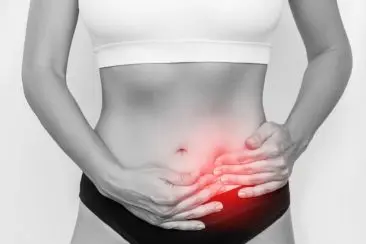
- Stomach discomfort associated with COVID-19 can take various forms, including dull aches, cramps, or sharp, stabbing pains. Additional GI symptoms may encompass nausea, vomiting, or diarrhoea.
- It's important to note that stomach pain alone does not definitively indicate a COVID-19 infection. Various other medical conditions could be responsible for your discomfort, so it's essential to consider all potential causes and seek medical attention if you have severe or persistent symptoms.
Can COVID-19 Cause Stomach Pain And Digestive Symptoms?
COVID-19 is mainly known for affecting the lungs and causing respiratory problems. However, it can also lead to various other symptoms, including stomach pain and issues related to the digestive system.
While stomach pain is not a very common symptom of COVID-19, it has been reported in many cases.
Studies indicate that about one-third of individuals with COVID-19 may encounter digestive problems, such as acute abdominal pain or other stomach discomfort.
It's crucial to understand that stomach pain or digestive issues alone do not necessarily mean you have COVID-19. Other conditions like food poisoning, irritable bowel syndrome (IBS), or a stomach virus can produce similar abdominal pain symptoms.
If you're experiencing stomach pain and are concerned about COVID-19, the best course of action is to get tested for the virus and see a doctor as soon as possible.
What Does COVID-19 Stomach Pain Feel Like?
Stomach discomfort associated with COVID-19 can manifest in various ways.
Some individuals may encounter mild, persistent aches or cramps in their abdominal region, while others might suffer from intense and sharp abdominal pain.
Symptoms such as nausea, vomiting, or diarrhoea may also be present.
How Can You Treat COVID-19-Related Stomach Pain?
If you're experiencing stomach pain related to COVID-19, there are several steps you can take to alleviate your symptoms.
First and foremost, prioritise rest and ensure you stay well-hydrated. Over-the-counter (OTC) remedies like antacids, anti-diarrheal medications, or pain relievers may provide relief.
It's crucial to avoid specific foods and beverages that can exacerbate your stomach discomfort, including caffeine and alcohol and fatty, spicy, or fried foods.
If your symptoms are severe or persist, seeking immediate medical attention is essential. In order to manage your symptoms effectively, your doctor may prescribe additional treatments or tests.
What Are The Other Symptoms Of COVID-19?
The most prevalent symptoms associated with COVID-19 include fever, cough, and fatigue. Additionally, you might also encounter:
- Congestion or runny nose
- Loss of smell or taste
- Body aches
- Sore throat
In cases of severe COVID-19 infection, individuals may experience:
- Breathing difficulties
- Confusion
- Bluish lips or a bluish face
- Chest pain
It is crucial to note that severe COVID-19 symptoms require immediate medical attention, as some cannot be managed at home. Neglecting to seek professional care for these symptoms can have serious consequences, including the possibility of a fatal outcome.
Does COVID-19 Have Long-Term Effects On Your Digestive Health?
Recent research indicates that COVID-19 can have lasting effects on digestive health and the gastrointestinal (GI) tract.
Many individuals who have had COVID-19 report experiencing persistent GI symptoms for several months following their initial infection.
These symptoms may include unusual patterns of abdominal pain, diarrhoea, or a loss of appetite.
It is important to note that these symptoms are typically more prominent in individuals with severe cases of COVID-19.
Additionally, emerging research suggests that COVID-19 could lead to inflammation and damage in the lining of the digestive tract, potentially resulting in long-term health issues.
It's worth mentioning that while some research has been conducted on the relationship between COVID-19 and GI problems, further comprehensive studies are needed to comprehend fully the extent and implications of the virus's long-term effects on digestive health.
Other Causes Of Stomach Pain Not Related To COVID-19
Stomach pain can be attributed to various causes, and while COVID-19 can be one of them, there are many other common culprits, including:
- Gastroesophageal Reflux Disease (GERD) occurs when stomach acid flows back into the oesophagus, leading to a burning sensation in the chest and stomach.
- Peptic Ulcer Disease: Open sores in the stomach or small intestine lining that can result in pain and discomfort.
- Gallstones: Tiny, hard deposits forming in the gallbladder, causing pain in the upper digestive tract.
- Pancreatitis: Inflammation of the pancreas, often triggering upper abdominal pain radiating to the back.
- Appendicitis: Inflammation of the appendix, causing severe pain in the lower right abdomen.
- Inflammatory Bowel Disease (IBD): A group of conditions characterised by chronic inflammation of the digestive tract, leading to abdominal pain, diarrhoea, and other GI symptoms.
- Irritable Bowel Syndrome (IBS): A chronic condition impacting the large intestine, resulting in abdominal pain, cramping, bloating, and changes in bowel habits.
Stomach Pain Causes: COVID-19 vs Other Conditions
|
Cause |
Key Symptoms |
Duration |
When To Seek Help |
|---|---|---|---|
|
COVID-19 |
Fever, fatigue, diarrhoea, abdominal pain |
Days to weeks |
Breathing issues or worsening symptoms |
|
Food poisoning |
Nausea, vomiting, diarrhoea |
1 to 3 days |
Severe dehydration or persistent vomiting |
|
IBS |
Cramping, bloating, bowel changes |
Ongoing |
If symptoms worsen or change suddenly |
|
GERD |
Burning pain, acid reflux |
Chronic |
If not controlled with treatment |
|
Appendicitis |
Sharp lower right pain |
Rapid onset |
Immediate emergency care needed |
When experiencing stomach pain, it is crucial to consider all potential causes. Seeking medical attention is advisable if the cause of the pain remains unclear or if the symptoms are severe. Your healthcare provider can help identify the underlying issue and recommend appropriate treatment.
If you need help, don't hesitate to contact Mobi Doctor for assistance and medical advice. We are available to provide support and guidance.