Genital warts are a common sexually transmitted infection. They are caused by certain types of the human papillomavirus (HPV). Genital warts often show up as small changes on the skin around the genitals or anus.
In the early stages, genital warts can be hard to notice. They are not always painful and may not cause itching or soreness. In some people, symptoms can take weeks or even months to appear after contact with the virus. Because of this, many people do not realise they have them straight away.
Knowing the early signs is important. Getting checked early can help stop the infection from spreading to others. It can also help reduce discomfort and make sure the symptoms are not caused by another skin condition that looks similar.
This guide explains what genital warts usually look like at the start, where they are most likely to appear, how long it can take for symptoms to appear, and when you should seek medical advice. This can help you make safer and more informed choices about your sexual health.
Key Facts at a Glance
- Early genital warts often look like small bumps on the skin. They can be skin coloured or slightly lighter and may be flat, raised, or grow in small groups.
- Symptoms can show up weeks or months after contact with the virus. In some people, it may even take longer to appear.
- Genital warts are usually not painful. However, they can sometimes cause itching, irritation, or light bleeding when rubbed.
- A clinician can usually diagnose genital warts by visual inspection of the affected skin. In some cases, an internal check may be needed if warts could be inside the vagina or anus.
- Treatment can remove the warts you can see and help ease symptoms. The virus may persist in the body, so warts can sometimes come back.
What Do Genital Warts Look Like in the Early Stage
In the early stage, genital warts are usually very small and easy to miss. They often start as tiny bumps on the skin and may not cause any pain or discomfort at first.
Early genital warts often have these features:
- They may be flesh coloured, pale pink, or slightly darker than the skin around them.
- They are very small, usually about 1 to 3 mm.
- They feel soft to the touch, not hard.
- They can be flat, slightly raised, or grow outward from the skin.
- They may appear on their own or in small groups; later, groups can look a bit like cauliflower.
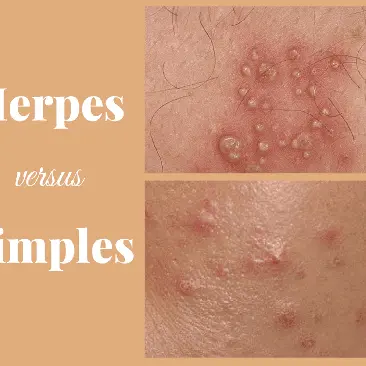
Some people may notice only one wart, while others may notice several close together. How they look can change depending on where they appear and the type of skin in that area. Because early genital warts can look like normal skin changes, they are often mistaken for spots, skin tags, or ingrown hairs.
Where Genital Warts Commonly Appear
Genital warts usually grow in warm, moist areas where skin comes into contact with other skin. Some warts are easy to see, while others can be hidden.
In people with a vulva, genital warts may appear on the labia, around the vaginal opening, on the vulva, or in the groin area. They can also grow inside the vagina, where they cannot be seen without an internal check.
In people with a penis, genital warts often appear on the shaft or head of the penis, under the foreskin, on the scrotum, or in the groin area. Warts under the foreskin can be harder to notice.
Genital warts can also appear around the anus in anyone, no matter their gender. They may grow on the skin around the anus or inside the anal canal, especially after anal sex.
Because some warts grow in places that are hard to see, it is possible to have genital warts without realising it at first. This is why it is important to get medical advice if you notice any unusual changes in the genital or anal area.
Early Symptoms You May Notice
Many people with genital warts have very mild symptoms, especially at the start. Some people may not feel any discomfort at all, and the only sign may be a small change in the skin.
Early symptoms can include:
- Mild itching or irritation in the affected area.
- Skin that feels slightly rough rather than painful.
- Light bleeding if a wart is rubbed or scratched.
- Discomfort during sex if the wart is in a sensitive spot.
- Changes in urine flow if a wart is close to or inside the urethra.
Genital warts are usually not painful. If you feel severe pain, burning, or notice open sores, it may be caused by something else. Any new or unusual changes around the genitals should be checked by a clinician to find the cause and rule out other infections or skin problems.
When Do Genital Warts Appear After Exposure
Genital warts do not appear immediately after contact with the virus. In most people, warts appear weeks or months later, but this can vary from person to person.
Some people may notice small changes after a few weeks. Others may not see any warts for many months, or even longer. This happens because the virus can stay inactive in the body for a while before it affects the skin. Your immune system and general health can also affect when, or if, warts appear.
Because of this, it can be hard to know when the infection started or who it came from. Not having visible warts does not always mean the virus has gone. This is why regular sexual health checks and paying attention to any new skin changes are important.
Genital Warts vs Other Common Genital Bumps
Not every lump or bump around the genitals is a genital wart. There are several common skin conditions that can look similar, especially in the early stages. This is why it is important not to guess and to get checked if you are unsure.
Some harmless bumps or skin changes may look like genital warts at first. Only a proper assessment can confirm the cause and make sure the right advice or treatment is given.
|
Condition |
Typical appearance |
Pain or discomfort |
Common location |
What to do next |
|
Genital warts |
Small, flesh coloured or pale bumps, flat or raised, sometimes clustered |
Usually painless, may itch or bleed if irritated |
Genitals, groin, anus |
|
|
Red blisters or sores that break open |
Often painful or burning |
Genitals, anus |
Seek medical advice promptly |
|
|
Ingrown hairs |
Red or flesh coloured bumps with visible hair |
Tender or sore |
Shaved or waxed areas |
Avoid shaving, monitor |
|
Skin tags |
Soft, smooth growth on a narrow stalk |
No pain |
Areas of friction |
Usually harmless |
|
Molluscum contagiosum |
Small, firm bumps with a central dip |
Usually painless |
Genitals, thighs, lower abdomen |
Clinical assessment recommended |
Because these conditions can overlap in appearance, self-diagnosis is unreliable. If a bump does not clear, changes in size, or concerns arise, a professional assessment is the safest way to confirm the cause and decide on next steps.
How Genital Warts Are Diagnosed
Genital warts are usually diagnosed by a clinician during a simple check.
What happens during the check
- The clinician examines the skin to assess the size, shape, and location of the bumps.
- In most cases, looking at the area is enough to tell if the bumps are genital warts.
Internal checks
- If warts might be inside the vagina or anus, an internal examination may be suggested.
- This helps detect warts that cannot be seen on the surface and checks for other conditions.
Do tests need to be done
- Tests like swabs or blood tests are not usually needed.
- Genital warts are diagnosed based on their appearance.
- If the bumps look unusual or the diagnosis is not clear, you may be referred to a specialist.
Other sexual health checks
- If genital warts are confirmed, a clinician may suggest tests for other sexually transmitted infections.
- This depends on your symptoms, sexual history, and personal risk factors.
Treatment Options for Genital Warts
Treatment for genital warts aims to remove the visible warts and ease symptoms such as itching or irritation. Treatment does not remove the virus itself, so warts can sometimes come back later.
The best treatment depends on where the warts are, how many there are, and how large they are.
Common treatment options
|
Treatment |
Best for |
Where it is used |
Possible side effects |
Important notes |
|
Podophyllotoxin |
Small, external warts |
External genital skin |
Redness, soreness, mild irritation |
Not used during pregnancy, used for short treatment periods |
|
Imiquimod cream |
External warts, including groups |
External genital and anal area |
Redness, itching, flu-like symptoms |
Helps the immune system; treatment can take several weeks |
|
Cryotherapy |
Larger or stubborn warts |
Clinic treatment |
Short-term pain, blistering |
Warts are frozen; more than one visit may be needed |
|
Surgical removal |
Large or hard-to-treat warts |
Clinic or hospital |
Discomfort, small risk of scarring |
Warts are removed straight away, and used for complex cases |
A clinician will help choose the most suitable treatment and explain how to use it safely. It is important to follow the instructions carefully and attend follow-up appointments if advised.
Can Genital Warts Go Away on Their Own
In some people, genital warts can go away without treatment. This happens when the immune system controls the virus, and the warts slowly disappear. This can take several months or sometimes longer.
Even if the warts disappear, the virus can stay inactive in the body. This means the warts could come back later, especially during times of stress, illness, or when the immune system is weaker.
Because of this, some people choose treatment. Treatment can remove warts sooner, ease symptoms, and lower the chance of passing the infection to a partner.
The choice to treat or wait depends on your symptoms, where the warts are, and what feels right for you. A clinician can help you decide the best option.
How Genital Warts Spread
Genital warts spread through direct skin-to-skin contact during sexual activity. This can happen during vaginal, anal, or oral contact. The virus can spread even if there are no visible warts.
Using condoms can lower the risk of passing on genital warts, but they do not give full protection. This is because condoms do not cover all the skin in the genital area. Skin that is not covered can still pass on the virus.
It is also possible to have the virus without any symptoms. This means a person can pass it on without knowing they are infected. This is why genital warts are common and can spread easily.
How to Reduce the Risk of Passing Genital Warts to a Partner
If you have genital warts or have been told you carry the virus, there are steps you can take to lower the chance of passing it on.
- Avoid sexual contact while warts are present or while you are having treatment. This is when the risk of passing the virus is highest.
- Follow treatment instructions carefully and finish the full course, even if the warts start to improve early.
- Using condoms can help reduce the risk, but they do not give full protection. This is because not all genital skin is covered.
- Do not share sex toys. If they are used, make sure they are cleaned well and covered with a new condom each time.
- The HPV vaccine can help protect against the types of HPV most often linked to genital warts. Even if you have had warts before, the vaccine may still protect you from other types.
- Talking openly with your partner and having regular sexual health check-ups can help reduce the spread and make sure any new symptoms are checked early.
When to Seek Medical Advice Urgently
Most cases of genital warts are not dangerous, but certain situations need prompt medical assessment to rule out complications or other conditions.
|
Situation |
Why it matters |
What to do |
|
Warts that bleed frequently or do not heal |
May indicate irritation, infection, or another diagnosis |
Arrange a clinical assessment |
|
Rapidly spreading or very large warts |
May require specialist treatment |
Seek medical advice promptly |
|
Significant pain, burning, or open sores |
Symptoms may suggest a different condition |
Get checked as soon as possible |
|
Warts inside the vagina, anus, or near the urethra |
These are harder to assess and treat without examination |
Request an in-person assessment |
|
Pregnancy |
Some treatments are not suitable |
Speak to a clinician before starting treatment |
|
Weakened immune system |
Warts may be more persistent or severe |
Early medical advice is important |
If you are unsure whether a skin change is normal or something to be concerned about, it is always appropriate to seek professional advice for reassurance and guidance.
How Mobi Doctor Can Help
If you notice signs of genital warts or are worried about changes to your genital skin, clear medical advice can help you decide what to do next.
Mobi Doctor connects you with a licensed clinician through an Online Consultation, so you can talk about your symptoms privately from home.
During the consultation:
- You can explain what you have noticed.
- You may be able to share images if this is appropriate.
- The clinician can help decide if the symptoms are likely to be genital warts or something else.
- Treatment options and next steps will be explained.
- You will be advised if an in-person check is needed.
Mobi Doctor focuses on adult sexual health concerns. The service helps you understand what is happening, get safe advice, and reduce worry without unnecessary delays.