During winter, your skin can feel itchier because cold air, low humidity, and indoor heating can strip it of its natural moisture. When your skin becomes dry, its barrier weakens, which can cause irritation, flaking, and a tight or itchy feeling. This often happens on your legs, arms, and body. When your skin lacks water or natural oils, the nerves become more sensitive, causing the familiar winter itch known as “pruritus hiemalis.”
Imagine coming home after a cold walk, turning up the heating, and having a long, hot shower to warm up. It feels nice, but the heat actually removes more moisture from your skin. A few hours later, the itching starts again. You scratch to stop it, but that only makes it worse. This is a typical winter problem because dry air pulls water from your skin faster than it can be replaced.
The good news is that winter itch is very common and easy to manage. Once you understand what causes it, such as dry air, tight clothes, and hot showers, you can stop the itch and keep your skin healthy. With the proper skincare routine and minor changes to your environment, you can keep your skin soft, calm, and comfortable all winter.
What is Winter Itch and how does It Look?
Winter itch, also called pruritus hiemalis, is a skin condition that often appears or worsens during the cold months. It happens when your skin becomes very dry and loses its natural protective layer. This dryness leads to irritation, flaking, and a strong need to scratch. At first, your skin might feel a bit tight after a bath or when you change clothes, but if left untreated, it can become rough, red, and cracked.
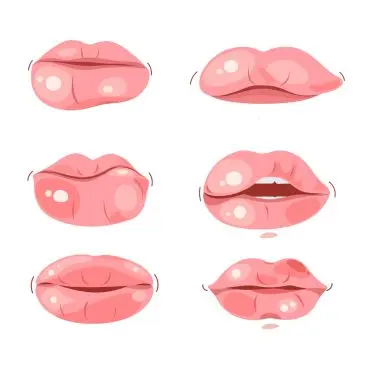
Winter itch often appears on areas of the body where the skin is thinner or more exposed to air and friction, such as the shins, arms, back, and torso. It can also affect your hands and lips, especially if you frequently wash your hands or spend long hours indoors with the heating on. Many people describe the feeling as prickly, crawling, or burning, and it often worsens in the evening when the indoor air is drier.
Anyone can get winter itch, but some people are more likely to have it:
- Older adults, because their skin makes less oil and holds less water as they age
- People with eczema or psoriasis, because their skin barrier is already sensitive
- People who bathe often or use strong soaps that remove natural oils
- People who work outdoors or in heated rooms, where the temperature and humidity change a lot.
Winter itch is not contagious, and it usually gets better once your skin’s moisture returns to normal. However, if the itching is severe or does not resolve, it may indicate another skin condition, such as eczema, psoriasis, or contact dermatitis. In that case, you may need help from a doctor.
By noticing the early signs and understanding what your skin needs, you can prevent dryness from becoming a bigger problem and keep your skin calm and comfortable through the colder months.
The Science of Why Skin Itches More in Winter
When it comes to winter itch, the causes are not as mysterious as they seem. During the cold months, your skin’s protective barrier becomes weaker due to environmental changes. This leads to increased water loss, irritation, and increased nerve sensitivity. Let’s look at the science behind it.
Low Humidity and Indoor Heating
In winter, the air outside has lower humidity, and indoor heating makes it even drier. Studies show that cold, dry air reduces the skin’s ability to protect itself and increases the risk of damage.
One study found that staying in a dry indoor environment during winter caused the skin on the forearms to lose more water in just six hours.
What TEWL Means and Why It Matters
TEWL stands for Transepidermal Water Loss. It measures how much water escapes from your skin's surface. When TEWL increases, it indicates that your skin barrier is not functioning properly.
In winter, TEWL levels rise, which means more water leaves the skin. This makes your skin feel dry, tight, and itchy. Some research shows that TEWL can increase by about 25 percent in dry winter conditions.
Skin Barrier Breakdown: The Brick Wall Idea
You can think of your outer skin layer, called the stratum corneum, like a brick wall. The skin cells are the bricks, and the natural oils (ceramides, fatty acids, and cholesterol) are the mortar that holds them together.
When the mortar weakens due to low oil levels or dry air, small cracks form, allowing water to leak out. Even healthy skin loses more moisture and becomes less hydrated when exposed to cold, dry indoor air.
Cold, Wind, Friction, and Sensitive Nerves
Cold wind outside and warm, dry air inside can cause tiny irritations on your skin. Rough fabrics like wool or synthetic materials can make it worse. Moving often between cold and warm environments can also stress the nerves in your skin.
Experts say that low humidity and cold temperatures can make the skin more sensitive, leading it to release chemicals that trigger inflammation and itching.
Hot Showers and Cleansers: The Hidden Problem
When your skin feels dry, you might take a long, hot shower to warm up. However, this actually makes the problem worse. Hot water and strong soaps strip the skin’s natural oils, which are needed to maintain the barrier.
Studies show that hot water increases TEWL and changes the skin’s natural pH balance. This means the more you wash away these oils, the weaker your skin barrier becomes, and the more your skin itches.
The Chain of Events
Cold air and indoor heating cause dehydrated air, leading to more water loss from your skin and less hydration.
When the natural oils in your skin go down, water leaks out, and irritants can get in. This makes the skin feel tight and itchy.
Friction from clothing, temperature changes, and hot showers add even more stress to your skin, making your nerve endings more reactive.
Common Culprits That Make Winter Itch Worse
Even if you use moisturiser every day, some everyday habits and things around you can quietly undo your efforts. Knowing what makes your skin drier or more irritated is the first step to calming that stubborn winter itch.
Indoor Heating and Low Humidity
Heating systems like radiators, central heating, and fireplaces make your home feel warm and comfortable, but they also dry out the air. When the air inside your home has less than 30 percent humidity, your skin starts to lose more water, which makes it feel dry and itchy.
Experts suggest keeping indoor humidity between 40 and 50 percent, especially in bedrooms and living spaces. A humidifier can help keep the air moist, but make sure to clean it weekly to prevent mould and bacteria from growing.
Hot Showers and Long Baths
When it is cold outside, a long, hot shower can feel wonderful. Sadly, hot water removes the skin’s natural oils and weakens the barrier that keeps moisture in. This makes your skin even drier and itchier.
It is better to use warm water instead of hot water and to keep your shower short, about five to ten minutes. After washing, gently pat your skin dry with a towel, then apply a thick, fragrance-free moisturiser within a few minutes to help lock in moisture.
Harsh Cleansers and Strong Fragrances
Soaps and body washes that create a lot of foam or contain alcohol, dyes, or strong scents can worsen dryness. These products can upset the skin’s natural balance, allowing irritants to penetrate more easily.
Choose gentle cleansers labelled “fragrance-free,” “soap-free,” or “for dry or sensitive skin.” These are designed to clean without removing your skin’s protective oils.
Rough Fabrics and Too Many Layers
Some winter clothes can irritate your skin. Fabrics like wool, polyester, and other synthetics can feel rough and cause itching, especially when they come into direct contact with your skin. To help, wear a soft base layer made of cotton, bamboo, or silk underneath your heavier clothes.
Also, try not to wear too many layers, as this can trap sweat and cause friction, worsening the itching.
Washing Hands Too Often and Using Alcohol Sanitiser
Washing your hands often is essential, but it can also make your skin dry and cracked in winter. Repeated washing removes the skin’s natural oils and weakens its barrier in just a few days.
Use warm water instead of hot, choose a gentle hand wash, and apply a moisturising cream or ointment right after drying your hands. Keep a small tube of moisturiser with you and reapply it several times during the day.
Poor Air Circulation and Static Electricity
Dry indoor air often does not move well, and static from clothes or bedding can cause small shocks and irritation. While this does not directly cause itching, it can make already dry or sensitive skin feel worse. Using a humidifier and choosing soft, natural fabrics such as cotton or linen can make your space feel more comfortable.
|
Cause |
Why It Happens |
Simple Fix |
|
Dry indoor air |
Heating lowers humidity and dehydrates skin |
Use a humidifier (40–50% humidity) |
|
Hot showers |
Strip away natural oils |
Use lukewarm water and moisturise after |
|
Harsh soaps |
Disrupt the skin barrier and cause dryness |
Use mild, fragrance-free cleansers |
|
Rough fabrics |
Friction irritates dry skin |
Wear soft cotton or bamboo layers |
|
Frequent handwashing |
Removes protective oils |
Apply hand cream after each wash |
Conditions That Commonly Flare in Winter (and How to Spot Them)
Not all winter itching is caused by dry skin. Cold weather, heating, and low humidity can worsen certain skin conditions. Knowing what you are dealing with helps you choose the right care and understand when you should see a doctor.
1. Dry Skin (Xerosis)
This is the most common reason for winter itch. The skin looks dull, dry, and flaky, and it can feel tight or rough, especially on the legs and arms. Small white flakes may appear, but there is usually no redness or oozing unless you scratch. Regular use of moisturiser and gentle cleansing often helps the skin return to normal.
2. Eczema (Atopic Dermatitis)
Eczema often gets worse in winter because the air is dry. The skin can become red, itchy, and cracked, and sometimes a small amount of fluid may appear. It usually affects the bends of the elbows, behind the knees, the neck, or the wrists. People with eczema often have sensitive skin that reacts easily.
Studies show that cold air and low humidity are common triggers for eczema flare-ups.
3. Psoriasis
Psoriasis often becomes worse in winter because there is less sunlight and the air indoors is drier. It appears as thick, scaly patches that may itch or sting. The most common areas are the scalp, elbows, knees, and lower back. Experts believe that reduced sunlight lowers vitamin D levels, which may make psoriasis flare more often in cold months.
4. Keratosis Pilaris
This condition is sometimes called “chicken skin.” It causes small, rough bumps on the upper arms, thighs, or cheeks. It can feel itchy and become more visible in winter when the air is dry. It is harmless, but using moisturiser and gently exfoliating the skin can help smooth its texture.
5. Cold Urticaria
This is a rare condition where the skin reacts to cold by developing hives or swelling. Lips, hands, or the face may tingle or puff up after being outdoors or touching cold water. In terrible cases, it can cause light-headedness or trouble breathing, and this needs urgent medical help.
Table: Common Winter Skin Conditions
|
Condition |
Main Symptoms |
Common Sites |
When to Seek Help |
|
Dry Skin (Xerosis) |
Flaky, tight, dull skin |
Legs, arms, torso |
If it cracks, bleeds, or does not get better |
|
Eczema |
Red, itchy, cracked patches |
Elbows, knees, wrists, neck |
If it does not improve with moisturiser |
|
Psoriasis |
Thick, scaly plaques |
Scalp, elbows, knees |
If plaques spread or itching gets worse |
|
Keratosis Pilaris |
Small, rough bumps |
Upper arms, thighs, cheeks |
For cosmetic concerns or irritation |
|
Cold Urticaria |
Hives after cold exposure |
Face, lips, hands |
If swelling or breathing problems occur |
Winter Skincare Ingredients: What to Use and What to Avoid
The ingredients in your skincare products can make a big difference in winter. Some ingredients help your skin stay soft, calm, and hydrated, while others can make dryness worse or cause irritation. Knowing what is in your moisturiser or cleanser enables you to pick products that genuinely help with winter itch.
Helpful Ingredients for Dry, Itchy Winter Skin
|
Ingredient Type |
Examples |
How It Helps |
|
Humectants |
Glycerin, hyaluronic acid, urea (5 to 10 percent) |
Pull water into the skin and help it stay hydrated, even in dry air. |
|
Occlusives |
Petrolatum, dimethicone, mineral oil, shea butter |
Create a protective layer that keeps moisture in and shields the skin from cold air. |
|
Barrier Lipids |
Ceramides, cholesterol, fatty acids |
Repair the skin’s natural barrier and reduce dryness and irritation. |
|
Soothing Agents |
Colloidal oatmeal, allantoin, niacinamide (low strength) |
Calm itching, reduce redness, and support healing. |
|
Mild Exfoliants |
Lactic acid, urea (in creams) |
Gently remove flaky skin so moisturisers can work better. |
Research shows that moisturisers with ceramides and urea can significantly improve hydration and help the skin barrier recover in cold, dry conditions.
Ingredients to Avoid in Winter
|
Avoid |
Why |
|
Fragrances and Perfumes |
Common irritants that can worsen dryness or trigger eczema flare-ups. |
|
Alcohol-based Toners |
Strip natural oils and increase skin sensitivity. |
|
Harsh Exfoliants |
Gritty scrubs or strong acids can damage an already weakened barrier. |
|
High-concentration Retinoids |
May cause peeling or redness when used too often in dry conditions. |
|
Sulfate-based Cleansers (SLS/SLES) |
Harsh detergents that remove essential lipids and leave skin tight. |
Experts confirm that products with strong fragrances and harsh detergents can make dry skin lose even more water and become irritated.
Choose products that protect your skin’s barrier, hold in moisture, and calm irritation. Avoid anything that stings, smells strong, or leaves your skin feeling tight. A good moisturiser with humectants, occlusives, and ceramides can do more to soothe winter itch than a complicated skincare routine.
Conclusion
Winter can be hard on your skin. Cold air, wind, and indoor heating can dry it out and make it itchy or uncomfortable. The good news is that with a few simple changes, such as using gentle cleansers, applying moisturiser every day, and wearing soft clothes, you can keep your skin calm and healthy through the colder months.
If your skin remains red, cracked, or very itchy even after home care, it is a good idea to seek expert help. Mobi Doctor provides online consultations where you can talk to a doctor, get clear answers, and find safe treatments for your skin.
Taking care of your skin early can help you stay comfortable and confident all winter.