Understanding the Herpes Rash
Infections caused by herpes simplex viruses (HSV) are called herpes. The most common sites of herpes are the mouth and genital area. As a result of the herpes rash, blisters can burst and cause open sores that scab over. Antiviral medications can help your body heal faster and eliminate the herpes rash.
What Is a Herpes Rash and What Causes It?
The herpes rash is a rash associated with the herpes simplex virus. Herpes can be acquired anywhere, but it is most common in the genital area (genital herpes) and around the mouth (cold sores). The disease is contagious and can be spread by kissing, vaginal, anal, or oral contact with the infected area. Initially, blisters burst and eventually scab over, creating the herpes rash.
What Does a Herpes Rash Look Like?
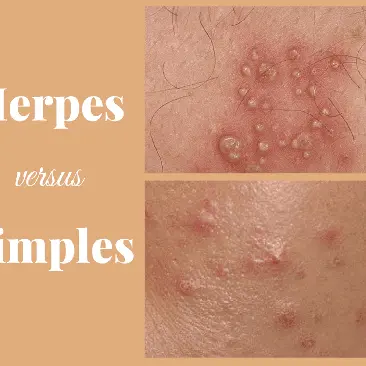
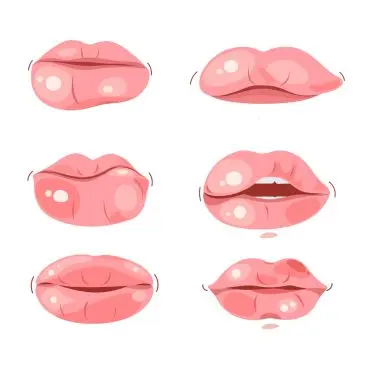
Skin blisters filled with fluid appear with herpes rash. The liquid inside can be yellow, white, or red. If you have oral herpes (cold sores), these can develop around your mouth and nose. If you have genital herpes, the rash can develop around your genitals and anus.
The penis head is the most commonly affected part of men's penis when it comes to genital herpes. Women can get a genital herpes rash anywhere on their vagina, even inside. The rash can occur on either gender's anus, such as the buttocks, or elsewhere around the genitals (for instance, on the pubic area, inner thighs, or perineum). When genital herpes first appears, it can resemble a shaving rash.
Burning, tingling, or itching may also accompany the appearance of a herpes rash. These symptoms may appear a few days before blisters appear. There can be pain and tingling associated with blisters. There can be a lot of blisters or only a few.
The blisters will burst after a few days. They ooze fluid and become red, open sores as a result. Scabs will form over the wounds before they heal. It takes approximately 7 to 10 days for the herpes rash to resolve, but it can take as long as three weeks to heal completely. It can take longer and be more severe for your first outbreak to clear up. In subsequent outbreaks, symptoms tend to be milder and last less time.
Herpes Rash in Babies (Neonatal Herpes)
During pregnancy, birth, or after birth, herpes can be transmitted to a baby. The condition is called neonatal herpes and is rare and severe. Babies can develop herpes rash and blisters on their skin, eyes, and inside their mouths, just like adults. There is no guarantee that a baby will develop a herpes rash.
How Herpes Rash Appears on Different Skin Tones
It may be more challenging to see any redness around the rash on white skin due to its similar appearance.
Is It Really Herpes or Another Rash?
The cause of a rash on the body can be unclear since many conditions can cause a rash. A herpes test is recommended if you have a rash for the first time. You can only tell if you have a herpes rash this way.
How to Tell a Herpes Rash Apart from Other Skin Conditions
| Condition | Appearance | Common Location | Key Difference |
|---|---|---|---|
| Herpes simplex (HSV-1/2) | Small fluid blisters that scab | Mouth, genitals | Tingling before rash appears |
| Shingles (Varicella zoster) | Painful grouped blisters | One side of body | Follows nerve path |
| Contact dermatitis | Red, itchy rash | Hands, face, diaper area | Triggered by allergens |
| Scabies | Small itchy bumps | Fingers, wrists, waist | Caused by mites, very itchy at night |
| Eczema | Dry, scaly patches | Elbows, knees, face | Chronic inflammation, not contagious |
Skin Conditions That Resemble a Herpes Rash
The skin can sometimes become red, swollen, and blistered due to contact dermatitis. This usually occurs as a result of an allergic reaction. This is often found in babies' nappy areas.
Varicella zoster, which causes shingles, can also cause fluid-filled blisters. Most commonly, shingles affect the back and stomach and develop on one side of the body.
An egg-laying parasite causes scabies by burrowing into your skin. The rash can look like pimples and can be extremely itchy. Some people mistake this rash for herpes and have scaly and flushed skin. Your mouth and genitals are less likely to be affected by scabies than other body parts.
How to Treat and Manage a Herpes Rash
Antiviral medication can treat herpes rash by stopping the virus from reproducing, giving the body time to fight it. Doctors on Mobi Doctor can prescribe various treatments for genital herpes and cold sores. Herpes rash is commonly treated with aciclovir. Aciclovir can be obtained as a tablet or cream.
For faster healing of your herpes rash, consult your doctor about antiviral medications. An outbreak can be reduced by doing this. Herpes can be treated with the following antiviral medications:
- Aciclovir, which should be taken three times a day for five days.
- Valaciclovir 500mg Tablets (Or Valtrex), which in your body converts into aciclovir and should be taken twice a day for five to ten days
- Famciclovir 500mg, a prodrug that converts into penciclovir in your body, should be taken for five days, 3 times a day.
If this is your first outbreak, other dosages are available depending on your symptoms.
Antiviral creams and ointments can be applied directly to the affected area, like oral herpes medications. Herpes rash is best treated with tablets, especially if your infection is severe.
Over-the-Counter Relief for Herpes Rash
Herpes rash symptoms can be relieved with over-the-counter treatments. Paracetamol and ibuprofen are examples of painkillers. Lidocaine, 5% ointment, is a numbing cream that helps with herpes rash. It numbs the area by acting as a local anaesthetic. Peeing can be painful if you have genital herpes.
Safe Home Remedies for Herpes Rash
Herpes rash can also be treated at home with the following methods:
- The affected area should be treated with a wet, cold compress
- The best way to reduce inflammation and cool down the affected area is to take a cool bath.
- Keeping the area clean with salty or plain water is essential to prevent open sores from infecting.
- To soothe the area, use Vaseline or petroleum jelly.
- There is no cure for herpes, although clinical trials are being conducted to discover a cure, including a herpes vaccine that may be developed.
How Contagious Is a Herpes Rash?
There is no doubt that a herpes rash is contagious. It is best to avoid contact with the area that is infected. HSV-1 and HSV-2 are the two types of herpes viruses. HSV-1 usually causes cold sores or oral herpes but can be spread to the genitals through oral sex. Sexually transmitted infections (STIs) such as HSV-2 typically affect the genitals. During oral sex, HSV-2 can be spread from the genitals to the mouth.
One of the most infectious herpes conditions is herpes gladiatorum, a skin rash caused by HSV-1. Contact sports players and athletes are more likely to suffer from it. Skin-to-skin contact causes the rash to appear anywhere on the body.
When Is Herpes Most Contagious?
Sores and blisters are the most contagious signs of herpes. In addition, it can also be contagious and can start a few days before any visible symptoms appear, for example, when you first feel a tingling sensation or get a fever. During the first few weeks after you have healed from your sores, you are still contagious to a lesser extent. Even though the risk of passing on herpes without any symptoms is low, it can be contagious without knowing you have herpes.
Living with the herpes rash can be uncomfortable and embarrassing, but you don't have to suffer in silence. Mobi Doctor offers online consultations with experienced doctors who can help you manage the symptoms of the herpes rash. We provide personalized treatment plans and advice on preventing outbreaks so that you can feel more comfortable in your skin. Don't let the herpes rash control your life - book your consultation now and take the first step towards feeling better.