Key Facts at a Glance
- Herpes on the penis often begins with tingling or itching, followed by small blisters that turn into shallow sores as they heal.
- A first outbreak can last a few weeks. Later outbreaks are usually shorter and much milder.
- The virus can spread through close genital contact even when there are no symptoms.
- Antiviral treatment can help the skin heal faster and reduce the frequency of outbreaks.
- Some conditions, such as folliculitis or contact irritation, can look similar, so testing is crucial if you are unsure.
- You should speak with a clinician if symptoms are new, very painful, or keep coming back.
What Does Herpes on the Penis Look Like?
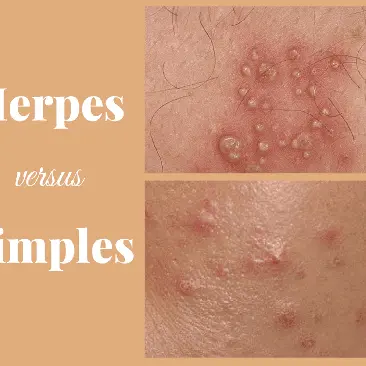
Herpes on the penis often starts as small sore areas that feel tender or itchy. These spots usually form small groups of clear or slightly yellow blisters. You might see them on the head of the penis, the foreskin, or the penile shaft. The skin around them can look a bit red or swollen, especially during a first outbreak. When the blisters open, they turn into moist, shallow sores that can be uncomfortable. After a few days, the sores dry out, form a light crust, and heal without leaving scars.
The look of genital herpes on the penis changes as the outbreak moves through each stage. In the early stage, the bumps can look like pimples or tiny spots, which makes it easy to confuse them with irritation or folliculitis. Once the blisters break, the sores become easier to recognise as herpes sores on the penis. Some men get only a few blisters, while others get more. The number and size of blisters can vary from person to person, but a mix of grouped blisters followed by open sores is a clear sign of penile herpes.
Early Signs of Herpes on the Penis
Early symptoms of genital herpes on the penis often start with mild feelings on the skin before anything can be seen. Many men notice tingling, itching, or a light burning sensation. This is called the prodrome stage, and it usually means a herpes outbreak is about to begin. The skin may feel warm or extra sensitive even before blisters appear.
As the outbreak continues, small red or clear bumps form on the penis head, the penile shaft, or the foreskin. These bumps soon turn into tiny, filled blisters that can be sore or painful when touched. Some men feel discomfort when urinating if the sores are close to the urethral opening. During the first outbreak, some may also feel tired or notice swollen glands in the groin, although these symptoms are less common during later outbreaks.
Because early penile herpes can look like razor irritation, friction sores, or minor skin infections, it is easy to miss the first signs. The mix of tingling sensations followed by groups of blisters is a key way to tell herpes apart from other causes of irritation. Spotting herpes on the penis early means you can get treatment sooner, which helps the outbreak heal faster and reduces discomfort.
Stages of a Herpes Outbreak on the Penis
A penile herpes outbreak happens in a series of clear stages, and each stage has its own signs. Knowing these stages can help you spot the infection early and better manage symptoms.
- Prodrome, also called early sensations: Many men first feel tingling, burning, or extra sensitivity in one part of the penis. This usually starts 1 or 2 days before anything is visible on the skin. The area may feel irritated, but there are no blisters yet.
- Blister formation: Small red bumps appear, then quickly turn into clear or yellowish blisters. These blisters often form in clusters and can be tender or sore. They may show up on the penis head, the penile shaft, or under the foreskin. Some men get only a few blisters, while others get more.
- Ulcer stage: When blisters break open, they leave shallow, open sores. These sores are moist, red, and can be painful, especially if they rub against clothing. Urinating may also feel uncomfortable if the sores are near the urethral opening.
- Crusting: As sores dry, they form light crusts or scabs. Pain usually becomes less during this stage, and the skin begins to heal. The scabs fall off as new skin grows underneath.
- Healing: Once the scabs have come away, the skin returns to normal. The area might appear slightly pink for a short time, but it usually heals without scarring. Later outbreaks of genital herpes on the penis typically follow the same steps but are often milder and shorter than the first outbreak.
Areas of the Penis Commonly Affected by Herpes
Genital herpes on the penis can show up in several places because the virus spreads through direct skin contact. Outbreaks usually appear at the site where the virus first entered the body, but the surrounding skin can also be affected.
Head of the penis
Sores often appear on the glans. They may show up as a few scattered blisters or a small group in one spot. The skin can feel tender, and some men notice mild swelling in the early stages.
Foreskin
Uncircumcised men may get irritation under the foreskin. The warm, moist skin can make herpes blisters feel more uncomfortable, especially during a first outbreak.
Penile shaft
Herpes on the penile shaft is also common. Blisters may appear along one side or form in small clusters. This area can feel more irritated because of rubbing against clothing.
Base of the penis and surrounding skin
Some outbreaks appear at the base of the penis or spread just beyond it. When this happens, nearby areas such as the groin, upper thighs, scrotal skin, buttocks, or the anal region can develop similar sores.
Why do these patterns repeat
Once the virus settles in the nerves that supply the genital area, future outbreaks tend to occur at those exact locations. The pattern can differ from person to person, but most men notice that recurrent genital herpes outbreaks follow a familiar path.
Conditions That Can Be Mistaken for Genital Herpes
Several genital conditions can look similar to genital herpes on the penis, especially in the early stages when only small bumps or redness appear. Because many problems share the same signs, it is not always easy to tell them apart without proper medical advice.
Folliculitis
Folliculitis happens when hair follicles become irritated or infected. These bumps often look like small pimples and may appear after shaving, sweating, or friction. Unlike herpes blisters on the penis, they usually have a hair in the centre and do not turn into open sores.
Genital warts
HPV causes genital warts. They appear as soft, fleshy growths that may look smooth or cauliflower-shaped. They do not burst, crust, or follow the blister-and-ulcer pattern seen with herpes.
Syphilis
Syphilis can cause one firm, smooth sore that is usually painless. It does not look like the fragile blisters or shallow sores caused by penile herpes.
Contact dermatitis
This is a skin reaction to soaps, lubricants, latex, or other products. It causes red, itchy patches, but does not produce blisters or ulcers like herpes sores on the penis.
Pearly penile papules
These are small, smooth bumps around the rim of the glans. They are harmless, not linked to infection, and they never change into sores.
Why is confusion common?
Many early signs of genital problems look alike, so judging by appearance alone can be misleading. If symptoms do not improve or you are unsure whether it is herpes or another condition, a clinician can provide an accurate diagnosis through an examination and appropriate tests.
How Herpes on the Penis Is Diagnosed
Diagnosing herpes on the penis involves checking the skin and using tests to confirm the herpes simplex virus. Because many conditions can look similar, proper testing is the best way to verify.
Clinical examination
A clinician will begin by looking at the affected area. They check for typical signs such as groups of blisters, open sores, redness, or patterns that match a herpes outbreak. Even if it looks like herpes, testing is still recommended so you get an accurate diagnosis.
Swab testing
A swab test is the most reliable way to confirm genital herpes in men when sores are present.
- A small sample is taken from a blister or open sore
- The sample is tested to see if HSV-1 or HSV-2 is present
- Results are more accurate when the sore is new because the virus is more active
Swab tests are the preferred choice during an active outbreak because they directly detect the virus.
Blood testing
Blood tests look for antibodies to HSV-1 and HSV-2. These show whether you have been exposed to the virus in the past.
Blood tests are helpful when:
- There are no sores to swab
- A partner has tested positive, and you want to check your status
- Symptoms healed before testing could be done
However, blood tests cannot show:
- Where on the body is the infection?
- When you were infected
- Whether the virus causes your current symptoms
They support a clinical assessment but do not replace a swab during an active outbreak.
Testing during and after an outbreak
Testing works best when sores are present.
- During an outbreak, A swab test gives the most straightforward answer
- After healing, A swab is less reliable, so a blood test may be used instead
If you are unsure whether your symptoms are herpes or another condition, it is better to get tested early rather than wait for the sores to disappear.
Why diagnosis matters
A confirmed diagnosis helps guide appropriate antiviral treatment, reduces the risk of complications, and provides clear information about transmission risks. It also helps rule out other genital conditions that may need different care.
Can You Have Herpes on the Penis Without Symptoms
Many men carry the herpes virus without showing obvious signs on the penis, and this is one of the main reasons the infection spreads so easily. After the initial exposure, the virus stays in the body in a resting state. At times, it becomes active again, but not every activation leads to visible blisters or sores. This means the skin can appear completely normal even while the virus is present on the surface.
This symptom-free stage, known as asymptomatic shedding, can occur at any time. Some men who never notice sores only learn they have herpes after a partner tests positive or after a routine STI check. Because there are no warning signs during these periods, many people unknowingly pass the virus to partners through close genital contact.
Understanding that herpes does not always cause noticeable lesions helps explain why regular sexual health testing and open communication with partners are essential. Even without visible symptoms, using protection and seeking medical advice when needed can reduce the risk of transmission.
What Causes Herpes on the Penis
The herpes simplex virus causes genital herpes on the penis. Both HSV-1 genital herpes and HSV-2 genital herpes can infect the genital area. The virus spreads through direct skin contact during sexual activity. Infection happens when the virus enters tiny openings in the skin, which are often too small to see.
How the virus spreads
Herpes can spread through:
- Vaginal, anal, or oral sex
- Close genital contact, even without penetration
- Sexual devices that are not cleaned or covered properly
The virus can be passed on even when there are no symptoms. Many men get infected by someone who feels completely well because the virus can be active on the skin without causing blisters.
Why is the same area affected?
Once the virus enters the body, it settles in the nerves that supply the genital region. When it becomes active again, it travels back to the same skin area. This is why recurrent genital herpes outbreaks usually appear in familiar places on the penis.
Why outbreaks differ between individuals
Outbreaks are different for everyone. Some men have mild symptoms only occasionally, while others notice signs more often. General health, stress, friction during sexual activity, and other factors can influence how the virus behaves. Each person’s pattern is unique, which is why outbreaks vary so much.
How Long Do Herpes Symptoms on the Penis Last
The length of herpes symptoms on the penis depends on whether it is a first outbreak or a recurrent genital herpes outbreak. The first episode is usually the longest because the body is dealing with the virus for the first time. This outbreak can last two to four weeks. During this time, the symptoms move through all the stages, starting with tingling, then blisters, then open sores, then crusting, and finally healing.
Recurrent outbreaks are usually shorter and milder. Most last 7 to 10 days. Many men notice fewer blisters and less discomfort compared to the first episode. Some recurrences cause only a slight irritation or a single sore, while others follow the usual blister-and-ulcer pattern but clear up more quickly.
The number of outbreaks each year can vary from person to person. Some men have several episodes, while others go for long periods with no symptoms at all. Certain things can make recurrences more likely, including illness, stress, friction during sexual activity, tiredness, or intense sunlight on the genital area. These triggers do not affect everyone in the same way, but noticing your own patterns can help you reduce flare-ups of genital herpes on the penis.
Treatment Options for Herpes on the Penis
Treatment for herpes on the penis aims to ease symptoms, speed up healing, and reduce the chance of future outbreaks. The virus stays in the body for life, but proper care can help most men stay comfortable and lower the risk of passing genital herpes to a partner.
Antiviral medication
Antiviral tablets are the primary treatment for genital herpes in men. They slow the rate of viral multiplication, helping sores heal sooner. These medicines do not eliminate the virus, but they shorten and reduce the pain of outbreaks.
There are two main ways antivirals are used.
- Episodic treatment: This is taken only during an outbreak. It works best when started early, such as when you first feel tingling or burning on the penis. Many men find that it reduces pain and shortens the duration of the outbreak.
- Suppressive treatment: Some men get frequent or severe outbreaks. In these cases, a doctor may suggest daily suppressive medication. This helps reduce the frequency of outbreaks and lowers the risk of passing the virus through sexual contact.
|
Treatment Type |
Purpose |
When It Is Used |
Benefits |
|
Episodic therapy |
Speeds up healing during an outbreak |
Started at the first sign of symptoms |
Shorter and milder outbreaks |
|
Suppressive therapy |
Reduces outbreak frequency |
For men with regular or severe episodes |
Fewer recurrences and lower infection risk |
|
Comfort care |
Helps ease soreness or irritation |
Used alongside antiviral treatment |
Less discomfort while healing |
Self-care measures
Simple daily steps can help during an outbreak.
- Keep the area dry and clean
- Wear loose cotton underwear to reduce rubbing
- Use mild pain relief if needed
- Avoid soaps or products that irritate the skin
- Let the skin breathe by avoiding tight clothing
These steps can help the sores heal more comfortably.
When treatment helps most
Starting antiviral treatment early is especially helpful during the first outbreak, when symptoms are usually more severe. Treatment also works well for later outbreaks, and knowing your own warning signs makes it easier to act quickly. If you notice patterns or triggers, you can begin treatment sooner and manage recurrent genital herpes outbreaks more easily.
How Serious Is Herpes on the Penis
Herpes on the penis can be uncomfortable, especially during the first outbreak, but it usually does not cause long-term health problems for most men. After the first episode heals, many people find that subsequent outbreaks are milder and less frequent. The virus stays in the body, but symptoms become easier to manage as the immune system learns how to control it.
The condition itself is not usually dangerous, but there are some things to keep in mind. Open sores make it easier to pick up other infections, including HIV, because the skin is broken. Men with weaker immune systems, such as those receiving specific medical treatments, might experience more severe or more prolonged outbreaks. If symptoms persist for a long time or feel unusually severe, it is vital to seek medical advice.
Herpes can also matter during pregnancy. If your partner is pregnant and you have genital herpes, getting guidance from a medical professional helps lower the risk of passing the virus to the baby near the time of birth. This risk is low in most situations, especially if the partner has had herpes before, but it still needs proper advice.
For most men, herpes on the penis is a manageable condition. With the proper treatment, awareness of triggers, and early action when symptoms start, you can keep outbreaks under control and reduce the chance of complications.
How to Reduce the Risk of Passing Herpes to a Partner
Reducing the risk of passing genital herpes to a partner means knowing when the virus is most active and taking simple steps to protect both of you. These habits make intimacy safer without adding confusion or stress.
Avoid intimacy during outbreaks.
Herpes spreads most easily when blisters or sores are present. Avoid sexual activity during these times, including when you feel early signs such as tingling or irritation on the penis. This is the most effective way to prevent transmission.
Use condoms consistently
Condoms protect the areas they cover. They cannot eliminate all risk because herpes can appear on uncovered skin, but they still reduce the chance of passing the virus when there are no visible symptoms. Using them correctly every time offers steady protection.
Talk to a clinician about daily antiviral treatment
Some men use daily suppressive antiviral medication to lower the risk of transmission. This reduces how often the virus becomes active. It can be invaluable when a partner has never had genital herpes. A clinician can explain whether this option suits you.
Be careful with shared sexual devices.
Sex toys can spread the virus if they touch infected skin and are not cleaned properly. Use a fresh condom on the toy before each partner uses it, and wash it well afterwards.
Pay attention to symptom patterns.
Learning how your body behaves helps you make safer choices. Many men notice specific triggers for recurrent genital herpes outbreaks. Recognising these signs allows you to take steps before an outbreak fully develops.
By combining these habits, you can keep transmission risk low and maintain a healthy, trusting relationship. Understanding how herpes on the penis behaves makes it easier to protect both you and your partner.
Living With Genital Herpes
Living with genital herpes becomes much easier once you understand how the condition works and how to manage symptoms. Most men find that after the first episode, outbreaks are shorter, milder, and less disruptive.
Understanding how the condition behaves
Herpes follows a familiar pattern. The virus stays in the body, but it is not active all the time. When it becomes active, it may cause mild irritation or a small group of sores on the penis. Long periods may pass with no symptoms. Many men find that outbreaks become less common over the years.
Identifying personal triggers
Certain factors can make an outbreak more likely, though triggers differ for everyone. These may include:
- Stress or lack of sleep
- Illness
- Friction from sexual activity
- Changes in routine or general well-being
Knowing your own triggers helps you notice early signs and act sooner.
Early management makes a difference.
Taking action as soon as you feel irritation or tingling in the penis can help. Starting antiviral medicine quickly often makes recurrent genital herpes outbreaks shorter and easier to handle. Keeping the area dry, reducing friction, and wearing loose underwear can also help the skin heal.
Maintaining confidence in daily life
Many men worry at first about dating, relationships, or talking about the condition with a partner. Clear information, reasonable symptom control, and understanding how herpes on the penis behaves can ease these concerns. With the proper steps, most people can maintain healthy relationships and safe intimacy.
With practical habits and the proper support, genital herpes becomes something you can manage confidently, without it taking over your daily life.
When to Seek Medical Advice
Knowing when to speak with a clinician can help you manage genital herpes on the penis more easily and avoid extra discomfort. Many outbreaks are mild, but some situations need timely guidance.
You should get medical advice if you notice:
- Blisters, sores, or unusual changes on the penis for the first time
- Symptoms that are very painful or make it hard to urinate
- Outbreaks are happening more often than before
- Uncertainty about whether your symptoms are herpes or something else
- A partner has recently been diagnosed, and you want to understand your own risk
- Sores that are spreading or taking longer than usual to heal
Why early assessment helps
A clinician can confirm whether the symptoms are due to herpes or another condition that requires different treatment. Getting a diagnosis early means you can start antiviral medicine sooner, which helps shorten the outbreak and reduces discomfort. If recurrent genital herpes outbreaks are becoming a problem, a clinician can also talk through longer-term treatment options that suit your needs.
How Mobi Doctor Can Support You
Through an online consultation, you can discuss symptoms, receive medical guidance, and explore suitable treatment options without leaving home. This approach is helpful for anyone who prefers privacy or needs timely advice during Mobi Doctor's operating hours.