

Quick Summary
- Many people notice better erections within 2 to 12 weeks after they stop smoking.
- Some see early changes, such as stronger morning or nighttime erections.
- Others need a few months before they feel a clear improvement.
- Age, health, and how long someone has smoked can affect how quickly erections improve.
- Quitting smoking is one of the best ways to help erections become stronger and more reliable.
Quitting smoking can help improve erectile dysfunction. Many men notice better erections within a few weeks. Once a person stops smoking, blood flow starts to get better again. This helps the body move more oxygen and blood to the penis. The rate of improvement varies for everyone, depending on age, how long they smoked, and their overall health. Even so, research shows that going smoke-free for a few months can make a big difference.
Stopping smoking is one of the best things someone can do for their blood vessels. ED often happens when the blood cannot reach the penis well enough. When circulation improves, it becomes easier to get and keep an erection. For many people, this is one of the first health changes they notice after giving up cigarettes.
What Is Erectile Dysfunction?
Erectile dysfunction means having trouble getting or keeping an erection that is firm enough for sexual activity. Many adults experience it, and it becomes more common as people get older.
ED can happen for different reasons. In many cases, it is linked to poor blood flow to the penis, which is why smoking and erectile dysfunction are often connected. Erectile dysfunction after quitting smoking can improve because blood flow slowly gets better again. Even so, the exact cause is different for each person.
Some common causes of erectile dysfunction include:
- Diabetes
- High blood pressure
- High cholesterol
- Heart and blood vessel disease
- Hormone problems, such as low testosterone
- Stress or anxiety
- Some medicines
Knowing the cause of ED is essential because it helps show how much symptoms may improve after quitting smoking and whether other treatments might be helpful.
How Smoking Leads to Erectile Dysfunction?
Smoking is one of the main lifestyle habits linked to erectile dysfunction. The chemicals in cigarettes harm the blood vessels and nerves that help the body create an erection. This is why the risk of erectile dysfunction in smokers is higher than in people who do not smoke. Many men notice improvement after they quit, but understanding how smoking affects erections helps explain why recovery can take time.
Damage to Blood Vessels
Healthy erections depend on strong blood flow to the penis. Cigarette smoke has toxins that damage the lining of the blood vessels. This makes them narrow and stiff, which reduces circulation. When blood flow is limited, it becomes harder for the penis to fill with blood during arousal.
Since erectile dysfunction is often a circulation problem, poor blood flow is one of the main reasons smoking can cause erectile dysfunction.
Nitric Oxide and Erection Signals
Nitric oxide is a natural chemical in the body that helps relax and open blood vessels. It is key to starting and keeping an erection. Smoking lowers the amount of nitric oxide the body can use. This makes the signals that trigger an erection weaker, so erections may not be as firm or as steady.
Nerve Function and Hormonal Impact
Smoking for many years can affect nerve sensitivity. This can disrupt the messages that travel from the brain to the penis during arousal. Some research also suggests that smoking may lower testosterone, which can reduce sex drive and make erectile dysfunction more likely.
Higher ED Risk in Younger Men
Although erectile dysfunction becomes more common with age, younger men can also develop it due to smoking. Nicotine, reduced blood flow, and damage to blood vessels can affect erection quality even in young adults. This group often sees the quickest improvement after they stop smoking.
Can Quitting Smoking Reverse Erectile Dysfunction
Quitting smoking can reverse erectile dysfunction for many people, mainly when the problem is caused by reduced blood flow rather than long-term damage to the blood vessels. When someone stops smoking, blood vessels slowly recover, nitric oxide levels improve, and circulation strengthens. These changes help support healthier erections, and many men notice improvement within weeks or months.
The speed and amount of recovery vary from person to person. Several factors can affect how quickly erectile dysfunction improves after quitting smoking, including:
- Age: Younger men often recover faster because their blood vessels heal more easily.
- How many years a person has smoked: The longer someone has smoked, the more time the body may need to repair the blood vessels.
- How severe the ED was before quitting: Men with mild or moderate symptoms often notice the most significant improvement.
- Other health conditions: Diabetes, high blood pressure, high cholesterol, and heart or blood vessel disease can slow recovery and may need extra treatment.
Studies show that people who quit smoking usually have better erectile function than those who carry on smoking. Many men regain some or all of their erection strength over time. Others may still need treatment, but they are showing evident progress. The main point is that stopping smoking gives the body a chance to heal, which can make erections easier to achieve and maintain.
Other Ways Smoking Affects Sexual Health
Erectile dysfunction often starts to improve after a person quits smoking because blood flow and blood vessel health slowly get better. The speed of recovery varies from person to person, but many men notice changes within weeks. Progress usually continues for several months. This timeline explains what many people can expect in the first year after quitting.
What Happens in the First Few Days
The body begins to repair itself soon after the last cigarette. Heart rate and blood pressure start to settle, and oxygen levels rise. Some men notice better morning or nighttime erections early on, especially if their ED was mild and linked mainly to nicotine and changes in blood flow.
Two to Twelve Weeks After Quitting
This is the stage when most people see clear improvements in erection quality. The blood vessels become more flexible, nitric oxide levels increase, and circulation grows stronger. Many men report firmer erections, better stamina, and more steady arousal during this time.
Three to Six Months After Quitting
The blood vessels continue to heal, and the penis receives blood more easily. Men with moderate erectile dysfunction caused by smoking often notice bigger improvements at this stage, especially if they also follow healthy habits such as exercising and eating well.
Six to Twelve Months After Quitting
Long-term healing of the blood vessels leads to the most stable changes. Many studies show that former smokers often have better erectile function in this period compared with people who continue smoking. Not everyone gets a complete reversal, but many experience stronger and more reliable erections after several months without cigarettes.
ED Improvement Table
|
Time After Quitting |
What Changes in the Body |
Impact on Erectile Dysfunction |
|
First few days |
Higher oxygen levels, a steadier heart rate |
Possible early improvement in morning or nighttime erections |
|
Two to twelve weeks |
Stronger blood flow, improved nitric oxide activity |
Firmer erections and better sexual performance for many men |
|
Three to six months |
Ongoing repair of blood vessels |
Clear improvement for mild to moderate ED |
|
Six to twelve months |
Long-term healing of blood vessels |
Many former smokers report stronger and more regular erections |
Other Ways Smoking Affects Sexual Health
Smoking affects more than just erections. The chemicals in cigarettes can harm different parts of the reproductive system, which is why many people notice wider benefits after they quit. Understanding these extra effects helps show how smoking can influence overall sexual health.
Reduced Libido
Nicotine can affect hormone balance and may lower testosterone in some people. When testosterone is low, sexual desire can drop, arousal may be less steady, and sexual performance can be affected. Many people find that their libido improves after quitting because circulation and hormone balance become more stable.
Impact on Fertility
Smoking can affect sperm health. It may lower sperm count, reduce sperm motility, and increase sperm DNA damage. These changes can make conception harder. After quitting, sperm quality often improves over a few months as the body produces healthier sperm.
Lower Sexual Stamina
Smoking reduces the amount of oxygen the body can deliver to tissues. This can lead to lower stamina during sexual activity, and some people feel tired more quickly. Once a person quits smoking, oxygen flow becomes stronger, which can help improve energy levels and make sexual activity feel easier.
Psychological Effects
Long-term nicotine use can cause stress, irritability, and mood changes. These can affect sexual desire and confidence. Quitting smoking often leads to better mood, higher self-esteem, and improved well-being, which all support healthier sexual function.
Vaping, E-Cigarettes, and Passive Smoking
Many people turn to vaping when they try to quit smoking, but it is common to wonder whether e-cigarettes can also affect erections. Although vaping usually exposes the body to fewer toxins than regular cigarettes, it still delivers nicotine and other chemicals that may influence sexual health.
Vaping and Erectile Dysfunction
Nicotine, whether it comes from cigarettes or vapes, can make blood vessels tighten for a short time. This reduces blood flow, which may affect erection quality for some people. Research is still growing, but some studies suggest that vaping may be linked to a higher risk of erectile dysfunction, especially in people who use high-nicotine vapes or vape often.
Because vaping does not eliminate nicotine, the blood flow improvements that help erections recover may not be as significant as they are when a person stops using nicotine altogether.
E-Cigarette Aerosol and Circulation
The aerosol from e-cigarettes contains chemicals that can irritate and inflame blood vessels. Over time, this may reduce the function of the blood vessels. Strong erections depend on healthy blood flow, so anything that harms circulation can affect erection quality.
Passive Smoking
Secondhand smoke can also harm blood vessels. Breathing in smoke from other people's cigarettes has been linked to stiffer blood vessels and weaker circulation. This means passive smoking may play a part in erectile problems for some people.
What This Means for ED Recovery
People who stop smoking but carry on vaping may still notice some improvement in erectile function, but progress is often slower than entirely stopping nicotine. Those who avoid both smoking and vaping usually have the best chance of restoring healthy blood flow and improving ED more effectively.
Why does ED sometimes persist after quitting?
Many people notice that erectile dysfunction improves after quitting smoking, but not everyone recovers at the same speed. Some people still have symptoms even after months without cigarettes. This does not mean quitting failed. It usually means that other health factors are affecting the quality of erections. Understanding why ED sometimes lasts can help guide the next steps in treatment.
Long-Term Vascular Damage
Years of smoking can cause lasting harm to the blood vessels. When the arteries that carry blood to the penis become very narrow or stiff, circulation may not return fully to normal. This is one reason erectile dysfunction after quitting smoking may improve, but not disappear completely.
Underlying Medical Conditions
Some health problems can slow recovery by affecting blood flow or nerve function. These conditions include:
- Diabetes
- High blood pressure
- High cholesterol
- Heart and blood vessel disease
- Obesity
- Hormone problems, such as low testosterone
If these conditions are not treated well, ED may continue even after someone stops smoking. These issues are also common causes of erectile dysfunction in general.
Psychological or Emotional Factors
Stress, anxiety, depression, and worries about sexual performance can affect erection quality. Some people feel anxious after experiencing smoking and erectile dysfunction, and this worry can continue even once the physical side effects start to improve. Supporting mental well-being can make a clear difference.
Medication Effects
Some medicines can contribute to erectile dysfunction. These include treatments for high blood pressure, depression, anxiety, and prostate conditions. If ED continues after quitting smoking, a doctor can review current medicines and decide whether alternatives are suitable.
Continued Nicotine Use
Some people stop smoking but continue using nicotine through vaping or other nicotine products. Nicotine can still narrow blood vessels and limit blood flow to the penis. This can slow progress, which is why stopping nicotine fully often gives the best chance of recovery.
What to Do if ED Does Not Improve After Quitting
If erectile dysfunction does not improve after quitting smoking, it usually means that other factors are playing a role. This is common, and it does not mean recovery will not happen. Many people get the best results when they combine quitting with medical checks, healthy habits, and evidence-based treatments for ED.
Get a Medical Assessment
A doctor can help find out why erectile dysfunction is still happening. Erections rely on good blood flow, healthy nerves, and balanced hormones. A complete check-up can show what might be slowing recovery. This often includes checking:
- Blood pressure
- Cholesterol Levels
- Blood sugar levels
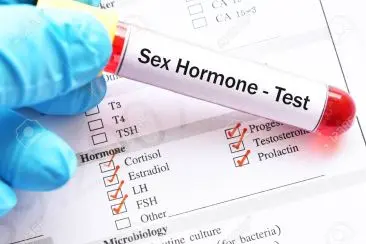
- Hormone levels, including testosterone
- Heart and blood vessel health
When these issues are treated, erection quality often improves.
Consider Evidence-Based ED Treatments
If blood flow has improved after quitting but erections are still not steady, treatment options can help. Common approaches include:
- Prescription medicines that support stronger blood flow to the penis
- Treatment for hormone problems
- Support for stress or anxiety
- Reviewing medications that may be linked to ED
These treatments are often very effective, primarily when used along with healthy lifestyle habits.
Improve Lifestyle Habits That Support Erections
Some habits can still affect erections even after someone stops smoking. Improving heart health can help restore stronger erections and speed up recovery. Helpful steps include:
- Regular exercise
- A balanced diet
- Reaching a healthy weight
- Managing stress
- Good sleep routines
- Limiting alcohol
These habits support circulation, improve hormone balance, and help with energy levels.
Avoid Returning to Smoking or Using High Nicotine Vaping
Going back to smoking can make erectile dysfunction worse again. High nicotine vaping can also slow recovery, because nicotine still affects blood vessel function and can limit blood flow to the penis. Staying nicotine-free offers the best chance of improving smoking and erectile dysfunction over time.
When to Seek Follow-Up Support
If erectile dysfunction continues for several months after quitting smoking, or if it happens more than half the time during sexual activity, it is a good idea to get a medical review. Getting support early often leads to faster improvement and better long-term results.
How to Quit Smoking and Support ED Recovery
Quitting smoking is one of the best ways to improve erectile dysfunction because it helps blood flow return to normal. Better circulation supports healthier erections, which is why many people see progress after stopping. Quitting can be difficult, but several proven methods make it easier and improve the chances of long-term success.
Nicotine Replacement Therapy
Nicotine replacement therapy, also called NRT, gives the body small, controlled amounts of nicotine without the harmful chemicals in cigarettes. This helps reduce withdrawal symptoms and makes it easier to stay smoke-free.
Common types of NRT include:
- Patches
- Gum
- Lozenges
- Inhalers
- Nasal sprays
These products can reduce cravings and support mood balance. This helps your body repair the blood vessels that play a key role in smoking and erectile dysfunction.
Prescription Medications
Two medicines are often used to help people quit smoking:
Bupropion
Helps reduce cravings and withdrawal by acting on brain chemicals linked to addiction.
Varenicline
Reduces the enjoyable effects of nicotine, which lowers the urge to smoke.
These medicines do not contain nicotine. A doctor can help decide which option is most suitable for your needs.
Behavioural and Emotional Support
Support can make a big difference when stopping smoking. Behavioural approaches help you manage triggers, build new routines, and stay motivated.
Helpful options include:
- Counselling
- Support groups
- Structured stop smoking programmes
- Apps that track progress and reduce cravings
Good emotional support makes withdrawal easier to handle and helps people stay smoke-free.
Lifestyle Changes That Improve Erectile Function
Healthy habits can strengthen circulation and improve the quality of erections. These steps also help your body heal more quickly, which matters if you are dealing with erectile dysfunction after quitting smoking.
Useful changes include:
- Regular physical activity
- A heart-friendly diet
- Reaching and keeping a healthy weight
- Managing stress
- Good sleep routines
- Limiting alcohol
These habits support better blood flow to the penis and can improve the results of quitting.
Staying Smoke Free Long Term
Staying free from cigarettes and nicotine helps ensure long-term improvement in erectile dysfunction. If cravings return, using early support tools, looking at your triggers, or speaking with a clinician can prevent relapse. Remaining nicotine-free gives the best chance of improving erection quality and supporting recovery from smoking-related erectile dysfunction.
When to See a Doctor About Erectile Dysfunction
If erectile dysfunction continues for several months after quitting smoking, or if it happens more than half of the time during sexual activity, it is a good idea to speak with a doctor. Ongoing ED can have more than one cause, and an early check-up can help you find the proper treatment.
A doctor may look at:
- Blood pressure and circulation
- Cholesterol and blood sugar levels
- Hormone balance, including testosterone
- Any medicines you are taking
- Stress, anxiety, or other emotional factors
Getting medical support can help you recover sooner and understand what is affecting your erections.
Mobi Doctor offers online consultations from 7 am to 11 pm, where you can talk about ongoing ED symptoms, explore possible causes, and get personalised guidance on the next steps.