The biggest health mistakes tourists make in Europe include not drinking enough water, underestimating how much walking is involved, skipping travel insurance, forgetting medication, ignoring jet lag, and overloading their itinerary. These common travel mistakes in Europe can lead to dehydration, exhaustion, stomach problems, sunburn, missed activities, and unexpected medical costs. With the right planning, travellers can stay healthy while travelling in Europe and enjoy a safer, more comfortable trip.
Europe may seem easy to travel around, but it can still be hard on your body. Long flights, different weather, busy tourist spots, cobblestone streets, and full days of sightseeing can be more tiring than many people expect. Many travellers end up walking more, carrying heavy bags, standing in long queues, and dealing with hot weather.
Even a well-planned holiday can become stressful if you have blisters, dehydration, jet lag, stomach problems, or not enough sleep. According to European travel health experts, dehydration, poor food and water hygiene, excessive sun exposure, and inadequate preparation are among the most common reasons people get sick while travelling abroad.
In this guide, we will look at the biggest health mistakes tourists make in Europe, explain why they happen, and show you how to avoid them before your trip starts.
Underestimating How Much Walking Europe Involves
One of the biggest health mistakes tourists make in Europe is underestimating how much walking is involved. Many first-time visitors think they will mostly use taxis, buses, or trains. In reality, most European cities are easier to explore on foot.
Historic areas in cities such as Rome, Paris, Barcelona, and Prague often feature cobblestone streets, steep hills, stairs, uneven pavements, and car-free zones. Even if you use public transport, you may still need to walk a lot between stations, hotels, and attractions.
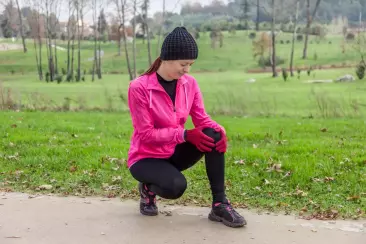
Many travellers walk between 15,000 and 25,000 steps a day during a sightseeing trip. If you are not used to that much walking, it can quickly cause blisters, foot pain, back pain, sore muscles, knee pain, and exhaustion.
According to TravelHealthPro, travellers should prepare for the physical side of their trip before they leave, especially if they already have joint, mobility, or circulation problems. Walking long distances in hot weather can also increase the risk of dehydration and heat exhaustion.
|
Walking Mistake |
Possible Problem |
Better Alternative |
|
Wearing brand-new shoes |
Blisters and foot pain |
Wear broken-in walking shoes |
|
Carrying heavy bags all day |
Back and shoulder strain |
Use a light backpack |
|
Planning too many attractions |
Fatigue and muscle pain |
Build in rest breaks |
|
Ignoring foot pain |
Worse pain or injury |
Rest early and use blister plasters |
|
Wearing sandals with little support |
Sore feet and ankle strain |
Choose supportive trainers |
To stay healthy while travelling in Europe, wear comfortable shoes that you have already worn before your trip. Pack blister plasters, comfortable socks, and a light day bag. It is also a good idea to leave time for coffee breaks, lunch stops, and short rest breaks during the day, rather than rushing between attractions.
Many tourists make the mistake of planning too much in one day, especially in major cities like London or Amsterdam, where sightseeing often means hours of walking. Slowing down your schedule can help you avoid one of the most common travel mistakes in Europe.
Not Drinking Enough Water
Dehydration is one of the most common health mistakes among tourists in Europe, especially during summer trips. Many travellers spend hours walking around cities, drinking coffee or alcohol, sitting on long flights, and forgetting to drink enough water during the day.
Flights can make dehydration worse because the air inside the cabin is very dry. By the time tourists arrive in Europe, many are already tired, jet-lagged, and mildly dehydrated before sightseeing even starts. According to the NHS, dehydration can cause headaches, dizziness, tiredness, a dry mouth, dark urine, and trouble concentrating.
The risk is often even higher in Southern European cities such as Athens, Seville, Lisbon, and Rome during late spring and summer, when temperatures can get very high. Heatwaves across Europe have become more frequent in recent years, increasing the risk of heat exhaustion and heatstroke.
The European Centre for Disease Prevention and Control warns that extreme heat can be especially dangerous for older adults, young children, pregnant women, and people with long-term health conditions.
|
Sign of Dehydration |
What It Can Feel Like |
|
Mild dehydration |
Thirst, dry mouth, headaches |
|
Moderate dehydration |
Dizziness, tiredness, dark urine |
|
Severe dehydration |
Confusion, rapid heartbeat, fainting |
Many travellers think coffee, soft drinks, or alcohol will keep them hydrated, but these drinks can sometimes worsen dehydration, especially in hot weather.
To avoid dehydration while travelling in Europe:
- Carry a reusable water bottle every day
- Drink extra water during flights
- Refill your bottle often at safe drinking water points
- Limit alcohol during hot afternoons
- Use electrolyte tablets if you are walking long distances
- Take breaks in the shade during the hottest part of the day
- Watch for signs of dehydration, especially in older travellers
In many European countries, tap water is safe to drink, including in France, Germany, Spain, and the United Kingdom. This can help tourists stay hydrated without always needing to buy bottled water.
Skipping Travel Insurance
Many tourists think Europe is safe enough that they do not need travel insurance. Others believe their bank card, private health plan, or government healthcare card will cover everything. Unfortunately, this is one of the most expensive travel mistakes in Europe.
Even small health problems can become expensive abroad. A hospital visit, ambulance ride, emergency dental treatment, or a short hospital stay can lead to high medical bills, especially in private clinics or busy tourist areas. Travellers from outside Europe may need to pay the full cost of treatment straight away.
According to the NHS, UK travellers visiting Europe should not rely only on the UK Global Health Insurance Card or the former EHIC. These cards do not cover private healthcare, mountain rescue, flight changes, transport back home, or lost belongings.
The European Commission also advises travellers to have comprehensive travel insurance and any public healthcare cover, especially for trips that include skiing, hiking, cycling, or other adventure activities.
|
What Travel Insurance Can Cover |
Why It Matters |
|
Emergency medical treatment |
Protects against high healthcare costs |
|
Ambulance and hospital stays |
Important in serious illness or injury |
|
Medical evacuation or repatriation |
Covers transport home if needed |
|
Lost or stolen belongings |
Useful for passports, luggage, or phones |
|
Trip cancellations |
Protects against illness before travel |
|
Adventure sports cover |
Important for skiing, hiking, diving, and cycling |
Another common mistake is buying the cheapest travel insurance policy without reading the details. Many policies do not automatically cover pre-existing medical conditions, pregnancy, expensive belongings, winter sports, or alcohol-related incidents.
Before travelling, always check:
- The level of emergency medical cover
- Whether your destination country is included
- Any exclusions for pre-existing conditions
- Whether adventure sports need extra cover
- If your policy covers cancellation and repatriation
- How to contact the insurer during an emergency
Travel insurance may seem like an extra cost, but it can save travellers thousands if something goes wrong.
Ignoring Jet Lag and Sleep
Jet lag and lack of sleep are among the most overlooked health mistakes tourists make in Europe. Many travellers arrive after an overnight flight, leave their bags at the hotel, and start sightseeing straight away. While this may seem like a good way to make the most of the trip, it can lead to exhaustion, headaches, poor concentration, and a weaker immune system.
Long-haul travellers from countries such as the United States, Canada, Australia, and parts of Asia are more likely to get jet lag when travelling to Europe because of the big time difference.
According to the NHS, jet lag can cause trouble sleeping, daytime tiredness, poor concentration, irritability, stomach problems, and lower physical performance. Symptoms are often worse when travelling east because the body clock has to adjust to an earlier time zone.
The European Centre for Disease Prevention and Control also says that poor sleep, dehydration, and prolonged sitting during travel can increase the risk of fatigue, illness, and circulatory problems.
|
Common Jet Lag Mistake |
Possible Effect |
|
Sleeping at the wrong time |
Difficulty adjusting to local time |
|
Booking too many activities on the arrival day |
Exhaustion and irritability |
|
Drinking too much caffeine or alcohol |
Poor sleep quality |
|
Not drinking enough water during flights |
Worse fatigue and headaches |
|
Spending all day indoors |
Slower body clock adjustment |
To avoid jet lag while travelling in Europe:
- Try to sleep according to your destination time zone during the flight
- Drink plenty of water before, during, and after flying
- Avoid too much alcohol and caffeine
- Spend time outdoors in natural daylight after arrival
- Keep your first day light and flexible
- Stay awake until a normal local bedtime if possible
- Avoid booking long tours or lots of walking straight after landing
Travellers often feel pressure to do as much as possible as soon as they arrive, but getting enough rest on the first day can make the rest of the trip much more enjoyable.
Forgetting Essential Medication
Forgetting medication is one of the most common travel mistakes in Europe, especially for tourists with allergies, asthma, diabetes, migraines, digestive problems, or long-term health conditions. Many travellers think they can buy what they need abroad, but medicines may go by different names, require a prescription, or be hard to find.
This can be even harder if there is a language barrier or if tourists are staying in smaller towns instead of big cities.
Travellers should bring enough medication for the whole trip, plus extra in case of delays. Important medicines should always be packed in hand luggage instead of checked baggage, in case luggage is lost or delayed.
Some medicines may also have special rules in different countries, especially strong painkillers, controlled medicines, or injectable medicines.
|
Essential Medication Item |
Why You May Need It |
|
Prescription medication |
For existing health conditions |
|
Pain relief tablets |
Headaches, muscle pain, fever |
|
Allergy medication |
Hay fever, insect bites, food allergies |
|
Anti-diarrhoea tablets |
Digestive problems while travelling |
|
Motion sickness tablets |
Ferry rides, winding roads, flights |
|
Blister plasters |
Long walking days |
|
Rehydration sachets |
Dehydration and stomach illness |
|
Sunscreen and aftersun |
Sun protection and sunburn relief |
Before travelling, it is a good idea to:
- Pack enough medication for the full trip
- Keep medicines in their original packaging
- Carry copies of prescriptions
- Bring a doctor’s letter for controlled medicines if needed
- Split medication between your hand luggage and suitcase
- Check expiry dates before you leave
- Pack a small travel health kit for common problems
Tourists often focus on passports, clothes, and electronics, but forgetting medication can quickly turn a holiday into a stressful experience.
Ignoring Food Safety and Digestive Health
Food is one of the best parts of travelling in Europe, but it can also be one of the biggest causes of illness if tourists are not careful. Rich meals, unfamiliar foods, too much alcohol, irregular eating times, and poor food hygiene can all cause stomach problems while travelling.
Many tourists make the mistake of eating large meals after long flights, skipping breakfast, or eating fast food and snacks all day while sightseeing. Others may eat food left out in the heat at markets, buffets, or tourist areas.
Food poisoning can happen when food is not stored, cooked, or handled properly. Common symptoms include stomach pain, diarrhoea, nausea, vomiting, and fever.
Travellers should be extra careful with food left out at room temperature, raw seafood, undercooked meat, and unpasteurised dairy products.
|
Food Safety Mistake |
Possible Problem |
|
Eating food left in the sun |
Food poisoning |
|
Skipping meals |
Low energy and headaches |
|
Drinking too much alcohol |
Dehydration and stomach upset |
|
Eating very rich foods every day |
Bloating and digestive discomfort |
|
Not washing hands before eating |
Higher risk of illness |
To stay healthy while travelling in Europe:
- Wash or sanitise your hands before eating
- Choose busy restaurants with fresh food
- Be careful with buffet food left out for a long time
- Drink bottled water or safe tap water when needed
- Avoid undercooked meat and seafood
- Eat fruit, vegetables, and balanced meals when possible
- Limit alcohol if you are already tired or dehydrated
Stomach problems are more likely when tourists are tired, dehydrated, stressed, or eating too much rich food. Eating balanced meals and drinking enough water can lower the risk of getting sick during your trip.
Forgetting About Sun Exposure
Many tourists underestimate how strong the sun can be in Europe, especially in Southern European countries during spring and summer. Cities such as Athens, Rome, Madrid, and Lisbon can become very hot, especially between June and August.
Tourists often spend long days outside sightseeing, sitting at cafes, visiting beaches, or waiting in queues without realising how much sun they are getting. This can quickly lead to sunburn, dehydration, headaches, heat exhaustion, and in serious cases, heatstroke.
Sunburn can increase the risk of skin damage and skin cancer. Heat exhaustion can also cause dizziness, nausea, heavy sweating, muscle cramps, and fainting.
Heatwaves are becoming more common across Europe and can be especially dangerous for older adults, young children, and people with existing health conditions.
|
Sun Exposure Mistake |
Possible Consequence |
|
Not wearing sunscreen |
Sunburn and skin damage |
|
Forgetting to reapply sunscreen |
Increased risk of burning |
|
Sightseeing during peak heat |
Heat exhaustion |
|
Not wearing a hat or sunglasses |
Headaches and eye strain |
|
Drinking alcohol in hot weather |
Faster dehydration |
To stay safe in the sun while travelling in Europe:
- Wear sunscreen with a high SPF every day
- Reapply sunscreen every two hours
- Wear sunglasses and a hat
- Take breaks in the shade
- Avoid sightseeing during the hottest hours, usually between 11 am and 3 pm
- Drink more water in hot weather
- Wear loose, lightweight clothing
Many tourists only think about sunscreen when they go to the beach, but even city breaks can mean spending several hours in direct sunlight every day.
Bottom Line: How To Stay Healthy While Travelling in Europe
The biggest health mistakes tourists make in Europe are often simple and easy to avoid. Dehydration, poor shoes, forgotten medication, lack of sleep, too much sun, and trying to do too much can quickly turn a fun holiday into a stressful one.
Staying healthy while travelling in Europe starts with good planning. Packing the right items, drinking enough water, getting proper rest, wearing comfortable shoes, and leaving time to slow down can make a big difference.
If travellers become unwell during their trip, they can also contact Mobi Doctor for medical advice and treatment support while abroad. This can help with common travel health problems such as stomach issues, infections, allergies, dehydration, skin problems, and questions about prescriptions.
Europe is one of the most exciting places to visit, but travellers often enjoy it more when they focus on comfort and well-being rather than trying to do everything at once. A healthier trip is usually a better trip.