Food Poisoning While Travelling: Symptoms And Treatment
Food poisoning on holiday is a common illness you can get from eating or drinking something contaminated. It often causes symptoms like diarrhoea, vomiting, stomach cramps, and sometimes a fever. Many people call it traveller’s diarrhoea. It can happen anywhere abroad, even in Europe, especially if food hygiene or water safety is different from what your body is used to.
Most cases are mild and get better within a few days. Still, it’s important to know the signs and how to treat it, so you can recover quickly and avoid problems while travelling.
Food poisoning is not only linked to long-distance trips. It can also happen in European countries, especially in busy tourist spots, buffets, or during warm weather when germs grow faster. Health data from the European Centre for Disease Prevention and Control show that foodborne illnesses remain common across Europe. Bacteria such as Salmonella and Campylobacter are among the most common causes.
When you travel, you are exposed to new bacteria, different cooking methods, and changes in your diet. This can increase your risk of getting a stomach bug. Simple things like undercooked food, unpasteurised dairy, or food that has not been stored properly can make you ill. Understanding how food poisoning happens can help you prevent it and deal with it if it occurs.
What Food Poisoning Means When You Are Travelling
Food poisoning on holiday happens when your stomach and gut get infected after eating or drinking something contaminated while travelling. This can be caused by bacteria, viruses, or parasites found in unsafe food or water. It is often called traveller’s diarrhoea when it happens during or soon after a trip.
If you are travelling in Europe, the risk is usually lower than in some other parts of the world, but it is still possible to get ill. Food may be handled, stored, or prepared differently, which can expose you to germs your body is not used to. TheEuropean Food Safety Authority reports that foodborne illnesses still happen across Europe, and contamination can occur at any stage, from production to cooking.
Food poisoning abroad can happen when:
- Food is not cooked properly or not reheated enough
- Food is not stored at the right temperature
- Water used for cooking or washing is unsafe
- People preparing food do not wash their hands properly
Food poisoning is different from a simple upset stomach. It is caused by an infection, which is why symptoms like diarrhoea, vomiting, and fever can come on quickly and feel quite strong. Your body reacts by trying to eliminate the harmful germs.
Understanding what food poisoning is can help you tell the difference between a mild stomach issue and something that needs proper care, so you can recover safely while travelling.
How Common Is Food Poisoning When Travelling?
Food poisoning on holiday is more common than many people think, even in Europe. The risk is lower than in some other parts of the world, but many travellers still get stomach illnesses each year, especially during busy travel seasons.
The European Centre for Disease Prevention and Control reports that millions of food poisoning cases happen every year across Europe. Common causes include bacteria like Salmonella and Campylobacter. These are often found in foods such as chicken, eggs, dairy, and meals that have not been handled properly. Travellers may come across these in restaurants, hotels, or street food stalls.
Your risk of getting food poisoning abroad depends on a few things:
- Where you travel: Warmer places, especially coastal areas, may have a slightly higher risk because heat helps bacteria grow faster
- What you eat: Buffets, street food, and undercooked meals are more likely to carry germs
- Food hygiene: Differences in how food is prepared and stored can increase your risk
- Your body: Eating new foods and being exposed to unfamiliar bacteria can affect how your stomach reacts
Even in countries with high food safety standards, food poisoning can still happen if food is not stored or prepared correctly. Busy tourist areas may also pose a higher risk because food is prepared quickly and in large quantities.
Most cases are mild and get better on their own, but because it is quite common, it is important to recognise the symptoms early and know how to deal with them while travelling.
Causes of Food Poisoning on Holiday
Food poisoning on holiday usually happens when you eat or drink something contaminated. This means it contains harmful germs like bacteria, viruses, or parasites. These germs can upset your stomach and cause symptoms such as diarrhoea, vomiting, and stomach cramps. Even in Europe, where food safety is generally good, contamination can still occur at various stages, from production to service.
Contaminated Food and Water
The most common cause is contaminated food or drinking water. Germs like Salmonella, Campylobacter, and some types of E. coli are often responsible. You might be exposed through:
- Undercooked meat or chicken
- Raw or unpasteurised dairy products
- Dirty fruits and vegetables
- Ice or tap water that is not safe to drink
Even food that looks fine can become unsafe if handled improperly.
Poor Food Hygiene
Good food hygiene is very important. If food is not handled or stored properly, bacteria can grow quickly, especially in warm weather.
Common risks include:
- Food left out too long at room temperature
- Raw and cooked food touching each other
- People not washing their hands before preparing food
- Reheating food that has not been stored safely
Buffets and all-inclusive meals can sometimes be risky because food may sit out for a long time.
Travel-Related Factors
Travelling can also make it easier to get a stomach bug. Your body may not be used to new bacteria in different places.
Some common travel-related factors are:
- Changes in diet: Trying new foods can upset your stomach
- Warmer weather: Heat helps bacteria grow faster
- Dehydration: Not drinking enough water can make it harder for your body to fight infection
- Eating out more often: This increases your chances of coming across contaminated food
Understanding these causes can help you make safer choices and lower your risk of getting food poisoning while on holiday.
Symptoms of Food Poisoning on Holiday
Spotting the symptoms of food poisoning early can help you deal with it quickly and avoid complications. Symptoms usually start a few hours to a few days after eating or drinking something contaminated, depending on the cause.
Common Symptoms
Most symptoms affect your stomach and gut. They can be mild or more uncomfortable.
Common signs include:
- Diarrhoea, often several times a day
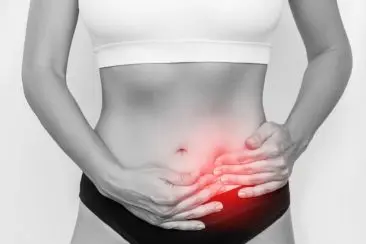
- Stomach cramps or pain
- Feeling sick (nausea)
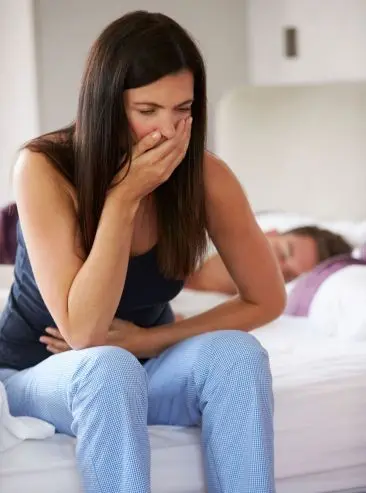
- Vomiting
- Loss of appetite
- Mild fever
The European Centre for Disease Prevention and Control notes that diarrhoea is one of the most common symptoms linked to foodborne illness in Europe, especially during travel.
Less Common but Serious Symptoms
Sometimes, food poisoning can be more serious and may need medical help.
Watch out for:
- Blood or mucus in your stool
- A high fever
- Signs of dehydration, such as dizziness or confusion
- Vomiting that does not stop, making it hard to keep fluids down
- Extreme tiredness or weakness
Dehydration is one of the biggest risks, especially in hot weather or if symptoms last for a while. Signs include a dry mouth, dark urine, and infrequent urination.
When Symptoms Start
Symptoms can begin at different times:
- Within a few hours if caused by toxins in food
- 1 to 3 days later if caused by bacteria
- Up to a week or more if caused by parasites
The timing can give a clue about the cause, but what matters most is how severe your symptoms are and how long they last.
Understanding these symptoms helps you act quickly, manage your illness, and know when to seek medical help while on holiday.
How Long Does Food Poisoning Last?
In most cases, food poisoning on holiday does not last long and gets better on its own without medical treatment. How long it lasts depends on the cause, the severity of your symptoms, and your overall health.
Typical Duration
For most people, symptoms follow this general pattern:
- Mild cases: 1 to 3 days
- Moderate cases: up to 4 to 5 days
- More severe cases can last a week or longer
What Affects Recovery Time?
Some things can change how quickly you recover:
- Type of germ: Viruses often pass faster, while bacteria or parasites may last longer
- Hydration: Drinking enough fluids helps your body recover more quickly
- Overall health: If your immune system is weaker, recovery may take longer
- Rest and care: Getting plenty of rest and managing symptoms early can help shorten the illness
Ongoing Symptoms After Recovery
Even after you start to feel better, you may notice:
- Sensitivity to certain foods
- Mild stomach discomfort
- A reduced appetite
This is normal and should improve as your digestive system settles.
When It Lasts Longer Than Expected
If your symptoms last more than 3 to 5 days, get worse, or make it hard to stay hydrated, it could be a sign of a more serious infection.
Knowing how long food poisoning usually lasts can help you understand what to expect and when it might be time to seek medical advice.
Treatment for Food Poisoning While on Holiday
Treatment for food poisoning on holiday focuses on easing your symptoms, preventing dehydration, and giving your body time to recover. Most cases are mild and get better on their own.
Stay Hydrated
Drinking enough fluids is the most important step. Diarrhoea and vomiting can make you lose a lot of water, especially in warm weather.
To stay hydrated:
- Drink water in small, regular sips
- Use oral rehydration solutions (ORS) to replace lost salts
- Avoid alcohol, caffeine, and sugary drinks, as they can make symptoms worse
Rest and Recovery
Your body needs rest to fight the infection.
- Avoid heavy activity
- Stay somewhere cool and comfortable
- Give your body time to recover naturally
Medications
Some over-the-counter medicines can help with symptoms:
- Anti-diarrhoeal medicines can reduce how often you need to use the toilet, which may help during travel
- Pain relief can ease stomach cramps or fever
Use these carefully. Stopping diarrhoea too soon can sometimes slow your body's ability to clear the infection.
What to Eat and Avoid
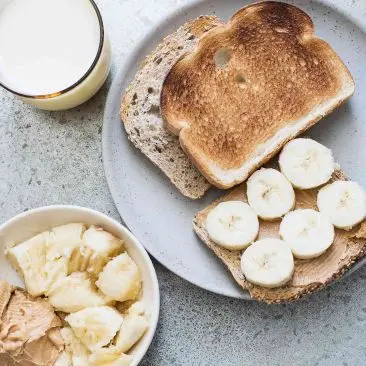
Eating simple foods can help your stomach settle.
Good foods:
- Plain rice
- Bananas
- Toast
- Crackers
Foods to avoid:
- Fatty or fried foods
- Dairy products, if they make symptoms worse
- Spicy foods
- Alcohol
Practical Tips While Travelling
- Carry oral rehydration sachets with you
- Choose simple, well-cooked food from trusted places
- Keep an eye on your symptoms
- Avoid sharing food or utensils
Most people feel better within a few days. The key is to drink plenty of fluids, rest, and eat carefully while your body recovers.
When to See a Doctor on Holiday
It is important to know when food poisoning needs medical help. Most cases get better on their own, but some symptoms can be more serious and should not be ignored.
Seek Medical Help If You Experience:
You should see a doctor if you have:
- Symptoms that last more than 2 to 3 days and are not improving
- Severe or ongoing diarrhoea
- Signs of dehydration, such as very dark urine, dizziness, or confusion
- A high fever
- Blood or mucus in your stool
- Strong stomach pain
- Constant vomiting that makes it hard to keep fluids down
The European Centre for Disease Prevention and Control advises that long-lasting diarrhoea and dehydration are key warning signs that need medical attention, especially when travelling.
High-Risk Groups
Some people are more likely to have complications and should get medical advice sooner:
- Older adults
- Pregnant women
- People with long-term health conditions
- People with weak immune systems
In these cases, illness and dehydration can become more serious more quickly.
Accessing Healthcare in Europe
If you are travelling in Europe, it is usually easy to get medical care. The European Commission recommends carrying a European Health Insurance Card (EHIC) or Global Health Insurance Card (GHIC). These may help you access public healthcare at a lower cost than local residents.
You can get help from:
- Local pharmacies for advice and basic treatment
- Clinics or doctors
- Hospitals or emergency services if symptoms are severe
Why Early Action Matters
Waiting too long to get help can lead to problems like severe dehydration or a worse infection. Getting medical advice early means you can receive the right treatment if needed.
Knowing when to see a doctor can help you stay safe and manage your health while on holiday.
How to Prevent Food Poisoning on Holiday
Preventing food poisoning on holiday is often easier than dealing with it. Simple steps with food, water, and hygiene can help lower your risk while travelling in Europe.
Food Safety Tips
Being careful about what you eat is one of the best ways to stay well.
- Choose food that is freshly cooked and served hot
- Avoid undercooked meat, seafood, and eggs
- Be careful with buffets where food may sit out
- Avoid raw or unpasteurised dairy products
- Peel fruits yourself when possible
The European Food Safety Authority highlights proper cooking and storage as key ways to prevent food poisoning.
Water Safety
Tap water is safe in many parts of Europe, but not everywhere.
- Drink bottled or treated water if you are unsure
- Avoid ice if you do not know the water source
- Use safe water for brushing your teeth in higher-risk areas
Hygiene Habits
Good hygiene helps stop germs from spreading.
- Wash your hands often with soap, especially before eating
- Use hand sanitiser if you cannot wash your hands
- Avoid touching your face with unclean hands
- Make sure cutlery and surfaces are clean
Travel Preparation
Planning ahead can help you stay safe.
- Pack oral rehydration salts and basic medicines
- Check food and water safety at your destination
- Look at travel health advice before you go
- Make sure you have travel insurance
Smart Eating Habits While Travelling
- Eat at places that look clean and well-run.
- Avoid food from places with poor hygiene.
- Be careful with street food, especially in hot weather.
- Do not eat food that looks or smells unusual.
By following these simple steps, you can reduce your chances of getting food poisoning and enjoy your holiday with more confidence.
You’re right, let’s include a simple version of the table that’s easy to read.
Food Poisoning vs Traveller’s Diarrhoea
Food poisoning and traveller’s diarrhoea are very similar, and people often use the terms in the same way. However, there is a small difference that is useful to understand when you are travelling.
What Is the Difference?
- Food poisoning is a general term for getting ill from contaminated food or water. It can be caused by bacteria, viruses, or parasites.
- Traveller’s diarrhoea is a type of food poisoning that happens during or soon after a trip. It mainly causes frequent loose stools.
In simple terms, traveller’s diarrhoea is a type of food poisoning linked to travel.
|
Feature |
Food Poisoning |
Traveller’s Diarrhoea |
|
Cause |
Contaminated food or water |
Often bacteria, especially E. coli |
|
Symptoms |
Diarrhoea, vomiting, cramps, fever |
Mainly diarrhoea, sometimes mild fever |
|
Onset |
Hours to days after eating |
During travel or soon after |
|
Scope |
Broad condition |
Travel-related illness |
Why the Difference Matters
Knowing the difference can help you:
- Understand your symptoms better
- Choose the right way to manage them
- Know when you might need medical help
For example, mild traveller’s diarrhoea may improve quickly with fluids, while more serious food poisoning with vomiting or fever may need closer attention.
Overlapping Symptoms
Both conditions can cause:
- Frequent loose stools
- Stomach cramps
- Feeling sick
- Tiredness
Because the symptoms are so similar, most people do not need to worry too much about distinguishing between them. The main focus should be on managing symptoms and watching for warning signs.
Summary Of Food Poisoning Symptoms Treatment And Prevention
Food poisoning on holiday can be unpleasant, but most cases are mild and easy to manage. Spotting symptoms early, drinking plenty of fluids, and giving your body time to rest are the most important steps. Understanding the causes and following simple safety tips can also help reduce your risk while travelling in Europe.
It is also important to know when symptoms are more serious. Ongoing diarrhoea, signs of dehydration, or severe symptoms should not be ignored, especially when you are away from home. Getting help early can prevent complications and support a quicker recovery.
If you need medical advice while travelling, Mobi Doctor can connect you with qualified doctors through online consultation. This allows you to get professional guidance and treatment advice wherever you are in Europe.