How Does Healthcare Work in Belgium for Tourists?
Tourists in Belgium can access public hospitals, private clinics, pharmacies, urgent medical services, and online doctor consultations. Visitors from eligible European countries may use an EHIC or GHIC card for medically necessary state-provided healthcare, while many non-EU travellers rely on travel insurance. Emergency care is available through 112, and both public and private healthcare services are available throughout Belgium.
Healthcare in Belgium for Travellers and Tourists: How to Get Medical Care & Prescriptions
Belgium offers tourists a high-quality healthcare system with public hospitals, private clinics, pharmacies and telemedicine options.
Belgium has one of the best healthcare systems in Europe, offering both public and private medical services. Whether you're a tourist, digital nomad, or expat, knowing how to access healthcare in Belgium ensures a smooth trip. Public healthcare is widely available, but many visitors opt for private healthcare for faster access to specialists and English-speaking doctors. Telemedicine (online doctor consultations) is also a convenient option. If you have a prescription from another country, you may be able to use it in Belgium, but some medications require approval from a local doctor.
Pharmacies (Apotheken/Pharmacies) are easy to find and offer both prescription and over-the-counter medications. Medical costs in Belgium are reasonable compared to other European countries, but it’s essential to check your insurance coverage. This guide covers everything you need to know about healthcare in Belgium and how to access medical services as a visitor.
Can Tourists See a Doctor in Belgium Without Insurance?
Yes. Tourists can see a doctor in Belgium even if they do not have Belgian health insurance. Healthcare providers in Belgium generally do not require visitors to be enrolled in the Belgian healthcare system before receiving treatment. However, how much you pay and whether you can recover those costs later will depend on your nationality, insurance arrangements, and the type of healthcare service you use.
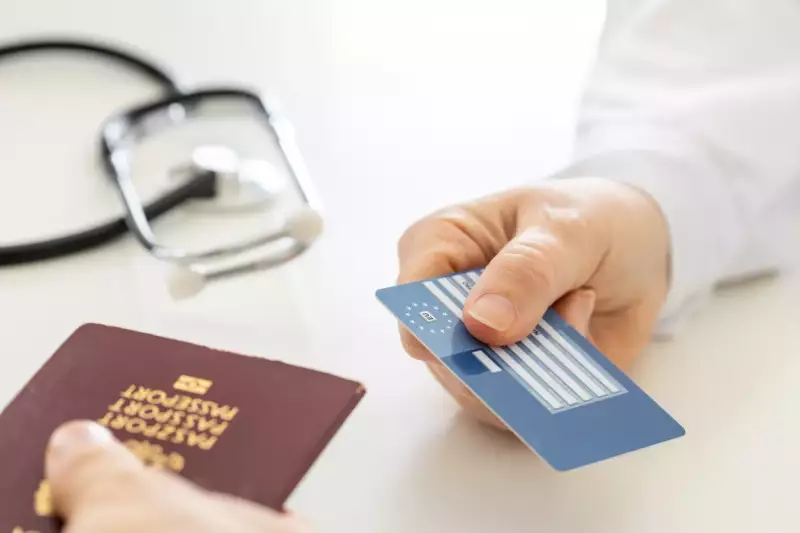
Visitors from eligible European countries may be able to use a European Health Insurance Card (EHIC) or Global Health Insurance Card (GHIC) for medically necessary state-provided healthcare during a temporary stay. Depending on the service, you may still need to pay part of the cost yourself, and not all healthcare providers participate in the same way.
Tourists from outside the European Union can also access healthcare in Belgium. In most cases, you will pay for treatment directly and then submit a claim to your travel insurance provider if your policy covers medical expenses abroad. The exact reimbursement process depends on your insurer and policy terms.
Private healthcare services are also widely available throughout Belgium. Many tourists choose private clinics, private doctors, or online healthcare services because they often provide faster access to care, shorter waiting times, and easier access to English-speaking healthcare professionals. These services are generally available regardless of whether you have local health insurance.
If you need medical advice while travelling, it is usually a good idea to keep your passport or photo identification, travel insurance details, and any information about your current medications readily available. Having these details can make it easier to access healthcare and, if necessary, submit insurance claims.
Whether you are visiting Brussels, Antwerp, Ghent, Bruges, Liège, Leuven, or another part of Belgium, you can still receive medical urgent care even if you do not have Belgian health insurance. The most important consideration is understanding how treatment costs will be paid and whether your travel insurance will reimburse eligible expenses afterwards.
Public vs Private Healthcare in Belgium
Tourists can choose public hospitals for affordable care or private clinics for faster service and easier access to English-speaking doctors.
Public Healthcare (RIZIV/INAMI - National Institute for Health and Disability Insurance)
Belgium’s public healthcare system, RIZIV/INAMI, provides universal coverage for residents and European Union (EU) travelers with a valid European Health Insurance Card (EHIC) or Global Health Insurance Card (GHIC).
|
Question |
Answer |
|
Can tourists use public hospitals? |
Yes, but you may need to pay upfront and request reimbursement from your travel insurance. |
|
Are public hospitals cheaper than private clinics? |
Public hospitals are generally more affordable, but wait times can be longer. |
|
Will insurance cover public hospital visits? |
Many travel insurance policies cover public healthcare costs. Check your plan before traveling. |
For official information, visit RIZIV/INAMI.
How to Find a Doctor in Belgium as a Tourist (Public, Private, Telemedicine)
Tourists can locate doctors through public hospitals, private clinics, the 1733 medical line or telemedicine platforms.
Finding a doctor in Belgium is straightforward thanks to the country’s well-organised healthcare system. Whether you need urgent help, routine treatment, or quick medical advice, several options are available for tourists.
Public Healthcare Facilities (Hospitals & GP centres)
Belgium’s public hospitals provide excellent care and are available in every major city and region. Tourists can visit any public facility, but non-EU visitors may need to pay upfront and later claim reimbursement from their travel insurance.
You can search for nearby public hospitals, GPs, and specialists through the official Belgian health portal:
Sante.belgique.be
Private Clinics
Private clinics are ideal if you prefer faster appointments or English-speaking doctors. They offer:
-
Quicker scheduling
-
Shorter waiting times
-
Access to specialists without referral
-
More multilingual staff, especially in Brussels, Antwerp, Ghent, and Bruges
Private clinics charge more than public hospitals but offer greater convenience for travellers.
Urgent Non-Emergency Medical Line – 1733
Belgium has a dedicated medical advice line for urgent but non-life-threatening issues.
Call 1733 to be directed to:
-
Out-of-hours doctors
-
Urgent care centres
-
Local GPs who are available
-
Advice on where to go next
This service is extremely useful if you become sick outside normal clinic hours.
Which Healthcare Option Should You Use in Belgium?
Belgium offers several ways to access medical care depending on your symptoms, how urgently you need help, and whether you require in-person treatment. Understanding the different healthcare options can help you choose the most appropriate service and avoid unnecessary delays.
|
Situation |
Recommended Option |
Best For |
|---|---|---|
|
Need medical advice in English |
Mobi Doctor |
Online consultations, treatment guidance, second opinions, follow-up support, and prescription support |
|
Unsure whether you need in-person care |
Mobi Doctor |
Understanding symptoms, discussing treatment options, and deciding on the most appropriate next step |
|
Minor cold symptoms, allergies, or minor illnesses |
Pharmacy |
Over-the-counter medicines, self-care advice, and help with minor health concerns |
|
Need medication advice or prescription collection |
Pharmacy |
Medication guidance, prescription dispensing, and advice about medicines |
|
Your regular doctor is unavailable |
1733 Medical Service |
Access to out-of-hours medical advice and guidance on appropriate healthcare services |
|
Need a doctor’s assessment for a non-emergency problem |
GP / Private Doctor |
Diagnosis, treatment, referrals, and in-person medical examinations |
|
Need specialist treatment or advanced testing |
Hospital or Specialist |
Medical investigations, specialist consultations, and hospital-based care |
|
Need urgent hospital assessment |
Emergency Department |
Serious illnesses, significant injuries, or conditions requiring immediate medical attention |
|
Life-threatening emergency |
112 |
Severe breathing difficulties, chest pain, stroke symptoms, major injuries, severe allergic reactions, heavy bleeding, or loss of consciousness |
For many tourists, choosing the right healthcare service can be confusing, particularly when symptoms develop unexpectedly. A minor illness may only require advice from a pharmacist, while more complex symptoms may need a doctor’s assessment. In other situations, urgent hospital care may be necessary.
Belgium’s healthcare system is generally easy to access, with doctors, pharmacies, hospitals, and emergency services available throughout the country. Visitors can use public or private healthcare services depending on their needs, insurance arrangements, and location.
If you are unsure which option is most appropriate, seeking medical advice early can help you understand your symptoms, access suitable treatment, and avoid unnecessary complications during your trip.
Private Healthcare in Belgium for Travellers and Tourists
Many visitors opt for private healthcare in Belgium due to quicker access to English-speaking doctors and specialists. Benefits include:
- Shorter wait times – Private clinics offer faster appointment scheduling.
- English-speaking doctors – More commonly found in private healthcare settings.
- Direct access to specialists – Faster referrals and specialised medical care.
|
Healthcare Option |
Estimated Cost (€) |
|
Private doctor visit |
€50 - €120 |
|
Specialist consultation |
€80 - €200 |
|
Emergency treatment at a private clinic |
€250 - €600 |
Private healthcare is not free, so confirm costs before visiting.
For more details, visit Orde der Artsen.
Cost of Medical Care in Belgium
|
Service |
Estimated Cost (€) |
|
General doctor visit |
€50 - €120 |
|
Emergency room visit |
€200 - €400 |
|
Specialist consultation |
€80 - €200 |
|
Hospital overnight stay |
€500 - €1,500 |
|
Prescription medications |
€5 - €50 |
More details at Sante.belgique.be.
Getting a Prescription in Belgium as a Tourist
Many travellers do not think about prescriptions until they need one. You may become ill during your trip, run out of medication, lose a prescription, or discover that a medicine you normally use is unavailable without a doctor’s assessment. Understanding how prescriptions work in Belgium can make it easier to access treatment and avoid unnecessary delays.
Belgium has a well-developed healthcare and pharmacy system, and tourists can obtain many prescription medications when medically needed. However, the process depends on the type of medication involved and the circumstances surrounding the request.
What If You Need a New Prescription While Travelling?
If you develop a new medical problem during your trip, you may need a doctor to assess your symptoms before medication can be prescribed.
This commonly happens when travellers develop:
- Urinary tract infections
- Respiratory infections
- Ear, nose, and throat infections
- Skin conditions
- Allergic reactions
- Asthma flare-ups
- Gastrointestinal illnesses
- Travel-related health concerns
A doctor can review your symptoms, discuss treatment options, and determine whether medication is appropriate for your situation.
What If You Lose Your Medication While Visiting Belgium?
Losing medication during a trip can be stressful, particularly if it is taken every day.
If this happens, try to gather as much information as possible about your usual treatment, including:
- The medication name
- The dosage and strength
- How often you take it
- The condition being treated
- Contact details for your regular doctor or pharmacy
Having this information available can make it easier for a healthcare professional to understand your situation and discuss potential options.
Travellers who rely on long-term medication should consider carrying a copy of their prescription or keeping details stored securely on their phone before travelling.
Controlled and Restricted Medications
Certain medications are subject to additional controls and restrictions.
Examples may include:
- Strong opioid pain medications
- ADHD medications
- Benzodiazepines
- Certain psychiatric medicines
- Other medicines subject to special monitoring requirements
These medicines often require additional review and may not be available in the same way as standard prescription medications. Requirements can vary depending on the specific medicine involved and the circumstances of the request.
If you rely on a controlled medication, it is sensible to travel with sufficient supplies for your trip where legally permitted and carry supporting documentation about your treatment.
Pharmacies in Belgium
Pharmacies are widely available throughout Belgium and are usually easy to recognise by the green illuminated cross displayed outside.
You can find pharmacies in:
- City centres
- Residential areas
- Shopping districts
- Transport hubs
- Tourist destinations
Belgian pharmacies provide much more than medication dispensing. Pharmacists are healthcare professionals who can answer questions about medicines, provide advice on minor illnesses, explain how treatments should be taken, and help you understand when a doctor’s assessment may be needed.
Pharmacies can also provide many over-the-counter treatments for common health concerns such as:
- Colds and flu symptoms
- Mild allergies
- Minor digestive complaints
- Headaches
- Minor skin problems
- Travel-related health issues
For more complex symptoms, pharmacists may advise you to consult a doctor.
Pharmacie de Garde (On-Duty Pharmacies)
Travellers sometimes need medication outside normal pharmacy opening hours.
Belgium operates an on-duty pharmacy system known as a Pharmacie de Garde, ensuring access to medication during evenings, weekends, public holidays, and other periods when many pharmacies are closed.
These pharmacies rotate on a scheduled basis and provide access to urgent medication needs when regular pharmacies are unavailable.
This system can be particularly helpful for travellers who become ill overnight, require medication unexpectedly, or need to collect treatment outside standard business hours.
Emergency Numbers and Useful Healthcare Contacts in Belgium
Knowing who to contact can save valuable time if a medical problem occurs.
|
Service |
Contact |
|---|---|
|
Emergency Services (Ambulance, Police, Fire) |
112 |
|
Non-Emergency Medical Assistance |
1733 |
|
On-Duty Pharmacy Information |
Pharmacie de Garde Service |
The emergency number 112 should only be used for serious or potentially life-threatening situations, such as severe breathing difficulties, chest pain, major injuries, severe allergic reactions, loss of consciousness, or signs of a stroke.
For urgent but non-life-threatening health concerns, the 1733 medical assistance service can help direct patients to appropriate healthcare services.
Prescription Support While Travelling in Belgium
Many health problems that develop during travel are manageable when addressed early. Seeking medical advice promptly can help travellers understand their symptoms, access appropriate treatment, and avoid unnecessary disruption to their plans.
Whether you need advice about medication, have lost a prescription, require treatment for a new health concern, or need guidance on where to seek care, Belgium offers a range of healthcare services designed to help both residents and visitors access appropriate medical support.
Mobi Doctor is here if you need urgent help today!