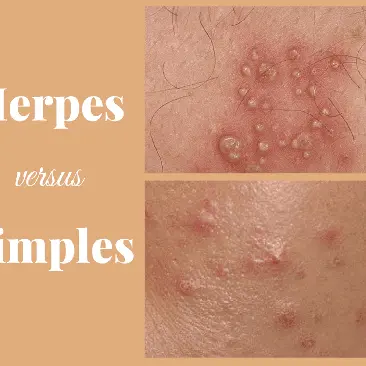
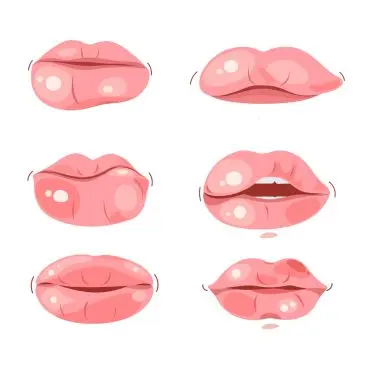
Genital herpes cannot be cured, but outbreaks can usually be managed with the proper treatment and good self-care. Starting antiviral medicine early, spotting the warning signs, and using simple comfort measures can help the sores heal faster. This guide explains how to ease symptoms safely, how long each stage of an outbreak usually lasts, and what you can do to lower the risk of future episodes.
How to Heal a Genital Herpes Outbreak Faster
The quickest way to shorten a genital herpes outbreak is to start treatment as soon as you notice the first signs. Many people feel tingling, itching, or mild discomfort before any sores appear. Acting early can make a big difference in how long the outbreak lasts.
Start Antiviral Medicine Early
Antiviral tablets are the primary treatment for reducing the duration and severity of outbreaks. A doctor may prescribe aciclovir, valaciclovir, or famciclovir. These medicines slow down the virus, which helps sores heal sooner and may reduce pain.
You do not need to wait for blisters to show. If you have had outbreaks before and know the early signs, an online consultation gets you a doctor’s assessment quickly, and a prescription where it is appropriate.
Simple Things You Can Do Right Now
You can help your skin heal and ease discomfort with a few easy steps at home:
- Clean the area gently with plain or salt water, then pat dry.
- Use a wrapped cold compress for short times to reduce burning or swelling.
- Wear loose cotton underwear to avoid rubbing.
- Take standard pain relief if needed.
- Avoid sexual contact until the skin is fully healed.
These steps help protect the skin and prevent extra irritation while the antiviral medicine works.
How Long a Typical Outbreak Lasts
Everyone is different, but many outbreaks follow a similar pattern. Early treatment and good self-care can help shorten each stage.
Genital Herpes Outbreak Timeline
|
Phase |
What You May Notice |
Helpful Self-Care |
|
Tingling and sensitivity |
Burning, itching, mild nerve feelings |
Start antiviral tablets, keep the area clean |
|
Blister stage |
Small fluid-filled blisters |
Cool compresses, loose clothing |
|
Ulcer stage |
Open sore patches that may sting |
Salt water bathing, standard pain relief |
|
Crusting stage |
Drying and scabbing |
Gentle cleansing only |
|
Healing |
Skin slowly returns to normal |
Keep using comfort measures until fully healed |
What a Genital Herpes Outbreak Feels Like
A genital herpes outbreak usually follows a clear pattern. Knowing what these symptoms feel like can help you start treatment sooner, which may shorten the outbreak.
Early Warning Signs
Many people notice small changes before any sores show. These early symptoms can last for one to three days and often indicate that an outbreak is about to start.
Typical early signs include:
- Tingling, itching, or slight burning in the area.
- Sharp or prickling nerve feelings.
- Sensitivity around the genitals, anus, or inner thighs.
- Mild flu-like feelings such as tiredness, low fever, or body aches.
- Swollen glands in the groin.
This stage is called the prodromal phase. Starting antiviral medicine now gives you the best chance of a milder and shorter outbreak.
Symptoms of an Active Outbreak
After the prodromal stage, visible symptoms usually appear. These may include:
- Small, painful blisters filled with clear fluid.
- Sore and raw patches after the blisters break.
- Tender skin that can make sitting, exercise, or tight clothes uncomfortable.
- It stings when you urinate if the urine touches the sores.
- Increased sensitivity around the buttocks or upper thighs.
How many sores you get and how strong the discomfort feels can vary from person to person. The first outbreak is often the toughest because the body is facing the virus for the first time. Later outbreaks are usually shorter and less painful.
Medical Treatment Options
Antiviral medicines are the main treatment for genital herpes. They help outbreaks heal faster and can reduce their frequency. There are two ways to use them, depending on how often you get symptoms and how much they affect your daily life.
Episodic Treatment for Occasional Outbreaks
Episodic treatment means you only take antiviral tablets when an outbreak starts. This is a good option for people who get outbreaks from time to time.
How it works:
- You start the tablets as soon as you notice tingling, itching, or discomfort.
- You take the medicine for a few days.
- Starting early often makes the outbreak shorter and milder.
- Pain and healing time can both improve.
This is the most common treatment for people who have a few outbreaks.
Suppressive Treatment for Frequent or Stressful Outbreaks
Suppressive treatment means taking antiviral tablets every day. It is used when outbreaks happen often or cause a lot of worry or disruption.
Benefits include:
- Helps stop outbreaks from starting.
- Makes any outbreaks that do happen less severe.
- Lowers the chance of passing the virus on between outbreaks.
- Provides more steady and predictable control.
Doctors usually check on progress after a few months to see whether daily treatment is still needed.
Episodic vs Suppressive Treatment
|
Feature |
Episodic Treatment |
Suppressive Treatment |
|
When it is used |
For occasional outbreaks |
For frequent or upsetting outbreaks |
|
When tablets are taken |
Only during an outbreak |
Every day |
|
Main goal |
Shorten and ease the epidemic you have now |
Reduce the number of outbreaks overall |
|
Best for |
People with mild or rare symptoms |
People with regular outbreaks or a strong impact on daily life |
|
Extra benefit |
Helps skin heal faster |
May reduce the risk of virus spread between outbreaks |
Why Early Treatment Matters
Antivirals slow down the virus as it travels along the nerves toward the skin. The sooner you take them, the better they can work.
Key point: Starting treatment during the prodromal phase, before any blisters appear, gives you the best chance of a quicker and easier recovery.
What Antivirals Do Not Do
It is important to remember:
- They do not remove the virus from your body.
- They do not stop every future outbreak.
- They do not guarantee zero risk of transmitting the virus.
Even so, antiviral medicines remain the safest and most effective medical option for managing genital herpes.
Safe Self-Care During an Outbreak
Good self-care can make a big difference to your comfort during a herpes flare-up. These steps do not replace antiviral medicine, but they help protect the skin, reduce irritation, and support healing.
Keep the Area Clean and Comfortable
- Gently wash the area with plain or salt water once or twice a day.
- Pat the skin dry instead of rubbing.
- Wear loose cotton underwear to reduce rubbing and keep the area cool and dry.
Even small changes like these can help you feel more comfortable.
Use Cool Compresses for Relief
A wrapped cool compress can help reduce burning or swelling. Do not put ice directly on your skin, as this can worsen irritation.
Simple Ways to Support Healing
- Rest when you can; it helps your immune system.
- Drink plenty of fluids and eat balanced meals.
- Use standard pain relief if needed.
- Avoid tight clothes, long bike rides, or anything that causes friction.
- If urinating stings, you can pour warm water over the area while using the toilet.
These steps can make each stage of the outbreak easier to cope with.
Avoid Anything That Irritates the Skin
The skin in this area is very sensitive, especially during an outbreak. Some products can cause stinging or slow down healing.
Avoid:
- Perfumed washes, scented wipes, or sprays.
- Strong scrubs or exfoliants.
- Undiluted essential oils or acidic products.
- Home remedies that burn or feel harsh.
Keeping the area free from irritants helps the skin repair itself.
Self-Care Do and Do Not List
|
Do |
Do Not |
|
Use plain or salt water to cleanse |
Use perfumed or harsh soaps |
|
Wear loose cotton underwear |
Wear tight clothes that rub |
|
Use a wrapped cool compress |
Put ice straight on the skin |
|
Use standard pain relief if needed |
Pick, scratch, or try to drain blisters |
|
Rinse with warm water during urination if sore |
Use untested home remedies on broken skin |
|
Rest and stay hydrated |
Have sexual contact before the skin has healed |
Why Self-Care Matters
Self-care does not cure the virus, but it helps keep you comfortable, protects the skin from further irritation, and supports smoother healing while antiviral medicine works.
Complementary Remedies: What Is Known and Unknown
Many natural or plant-based remedies are talked about online for genital herpes, but the proof behind them is mixed. Genital skin is very sensitive during an outbreak, so it is essential to be careful. These remedies should never replace antiviral treatment.
Why Evidence for Natural Remedies Is Limited
Most research on herbal products has been done in laboratories, not on people. Something that works in a test tube is not always safe or helpful on human skin. Some natural products can cause burning, redness or slower healing.
For this reason, complementary remedies should be used only for extra comfort, not as your primary treatment.
Options Sometimes Used for Mild Comfort
These products are generally gentle and may help soothe the skin:
- Aloe Vera Gel: Aloe vera is often used for irritated skin. A thin layer may calm redness once the skin has started to settle.
- Manuka Honey: Manuka honey can moisturise and protect the skin. It may help form a soft barrier over the area.
- Lemon Balm Cream: Lemon balm is often used for cold sores on the face. Some people use it around the genital area when the skin is nearly healed. Evidence for genital outbreaks is limited.
Only use these products on intact or almost healed skin, not on open sores.
Products That May Irritate Genital Skin
Some popular home remedies can cause stinging or inflammation, especially on sensitive skin. Avoid:
- Undiluted essential oils.
- Raw garlic.
- Acidic solutions.
- Strong herbal pastes.
These can be too harsh during an outbreak.
How To Use Complementary Options Safely
- Test the product on a small area of skin first.
- Avoid anything that stings, burns, or makes redness worse,
- Use only a small amount.
- Stop right away if discomfort develops.
- Keep complementary remedies as an extra step, not a replacement for antiviral medicine.
|
Remedy |
Evidence Type |
Possible Benefit |
Considerations |
|
Aloe vera gel |
General skin soothing |
Calms irritation |
Use only on intact skin |
|
Manuka honey |
Wound calming properties |
Moisturises and protects |
Sticky texture, patch test first |
|
Lemon balm cream |
Used for facial cold sores |
May soothe mild discomfort |
Limited evidence for genital use |
|
Essential oils |
Mostly laboratory studies |
No proven benefit for genital outbreaks |
Can irritate sensitive skin |
|
Potent acidic or herbal pastes |
Not clinically supported |
No proven benefit |
Avoid due to irritation risk |
A Sensible Approach
Complementary remedies may give mild comfort, but they do not control the virus. Antiviral medicine is still the most effective way to manage a genital herpes outbreak. If you are unsure about a product, you can ask a doctor during an online consultation before trying it.
Diet, Lifestyle and Outbreak Prevention
No food or supplement can remove the herpes virus from the body, but healthy habits can help your immune system and may lower the number of outbreaks you get. Everyone is different, but many people notice fewer outbreaks when they manage triggers and look after their overall wellbeing.
Common Triggers for Genital Herpes Outbreaks
Outbreaks can happen for many reasons. Knowing your own triggers can help you prevent future episodes.
Common triggers include:
- High stress
- Illness or a weak immune system
- Friction during sexual activity
- Lack of sleep
- Hormonal changes
- Tight clothing or too much heat
Understanding these patterns helps you take action early.
How To Lower the Risk of Future Outbreaks
Support Your Immune System
Your immune system helps keep the virus under control. You can support it by:
- Keeping a regular sleep routine
- Eating balanced meals with fruit, vegetables and whole foods
- Drinking enough fluids
- Doing moderate physical activity
Manage Stress Levels
Stress is a common trigger. Helpful ideas include:
- Short daily relaxation routines
- Light exercise
- Planned rest breaks
- Talking therapies or mindfulness
Even small changes can help reduce outbreaks.
Avoid Friction and Skin Irritation
Friction can irritate nerves and start an outbreak. To reduce this:
- Use enough lubrication during sexual activity
- Avoid long cycling sessions or tight clothing
- Rest the area if you notice early tingling or sensitivity
Consider Suppressive Antiviral Treatment
If you have frequent outbreaks, daily antiviral tablets may reduce their frequency. This can be discussed during an online consultation.
Supplements With Limited but Emerging Evidence
Some supplements are linked to general immune support, although they have not been proven to prevent genital herpes outbreaks. They should only be seen as optional extras.
- Zinc supports the immune system.
- Vitamin C helps keep your immune response balanced.
- Vitamin B complex may support nerves and energy levels.
- Probiotics may help with overall gut and immune balance.
If you take other medicines or have medical conditions, speak with a doctor before starting supplements.
Lifestyle Factors and How They Influence Outbreak Risk
|
Factor |
Why It Matters |
How To Improve It |
|
Sleep |
Poor sleep weakens the immune system |
Keep regular sleep hours, reduce screens before bed |
|
Stress |
A common outbreak trigger |
Try relaxation routines and plan rest breaks |
|
Diet |
Balanced food supports natural defences |
Eat a variety of whole foods and stay hydrated |
|
Skin friction |
Can irritate nerve pathways |
Wear breathable clothes, use lubrication, and avoid long periods of rubbing |
|
Illness or fatigue |
Weakens immune resilience |
Rest during recovery and support general well-being |
Simple daily habits often work better than strict diets or significant lifestyle changes. Reducing stress, protecting the skin and supporting your immune system can all help lower the number and severity of outbreaks over time.
Transmission and Protecting Partners
Genital herpes can spread from one person to another through skin-to-skin contact, even when symptoms are mild. Knowing when the virus is most active and how to reduce risk can help protect you and your partners.
When the Virus Is Most Likely To Spread
The risk of passing the virus on is highest:
- During an active outbreak.
- During early warning signs like tingling or itching.
- While sores are still healing.
- When there is friction or irritation.
The virus can sometimes spread even without symptoms, though this does not happen all the time. This is why prevention matters between outbreaks as well.
How To Reduce Transmission
You can lower the chance of spreading the virus by using several simple steps.
Avoid Sexual Contact During an Outbreak
Do not have vaginal, anal or oral sex until the skin has completely healed. Even small areas of irritation can increase the risk.
Use Condoms Between Outbreaks
Condoms help reduce risk by covering areas where the virus may be shed. They work best when used every time and throughout sexual contact. They do not cover all of the skin, so they lower the risk but do not fully remove it.
Be Open With Your Partner
Talking honestly helps both of you feel informed and comfortable. Sharing warning signs and treatment plans can build trust and reduce worry.
Consider Suppressive Antiviral Treatment
If outbreaks occur often or a partner is very concerned, daily antiviral tablets may reduce the risk of viral shedding. This can be discussed during an online consultation.
Ways To Reduce Transmission
|
Method |
How It Reduces Risk |
Notes |
|
Avoiding sex during outbreaks |
Prevents contact with sores when the virus is strongest |
Wait until the kin is fully healed |
|
Condom use |
Lowers exposure to areas where the virus may be shed |
Does not cover all skin |
|
Suppressive antiviral treatment |
Reduces outbreaks and shedding |
Useful for frequent episodes |
|
Recognising early symptoms |
Helps you avoid contact before sores appear |
Start antiviral medicine early if prescribed |
Each method helps differently. Using more than one, for example, avoiding sex during outbreaks and using condoms between them, gives stronger protection than relying on just one approach.
Genital Herpes and Pregnancy
Genital herpes during pregnancy needs careful medical guidance, but it can usually be managed safely. The most crucial step is to tell your doctor or midwife early, even if your symptoms were a long time ago.
Why Genital Herpes Matters in Pregnancy
The biggest concern is a first-ever outbreak happening late in pregnancy, because the body has not had time to make protective antibodies yet. If you had genital herpes before getting pregnant, the risk to the baby is usually much lower because your body already has some protection.
If You Have Had Genital Herpes Before
Tell your doctor or midwife, even if your last outbreak was years ago. This helps them plan.
They may talk to you about:
- Watching for symptoms in the last few weeks
- Starting antiviral medicine near the end of pregnancy to lower the chance of an outbreak
- Planning the safest type of delivery if symptoms appear close to labour
These steps are normal and are done to keep both you and the baby safe.
If You Get Symptoms for the First Time During Pregnancy
If you have your first outbreak while pregnant, contact your healthcare team as soon as possible. Early review helps them:
- Confirm what the symptoms are.
- Start the proper treatment.
- Plan how to lower any risks.
The timing of the outbreak and your general health guide the best approach.
What To Expect Near Delivery
If you have no symptoms near labour and the skin has healed, most people can have a normal vaginal birth. If sores or early warning signs appear near delivery, your doctor may discuss other options to protect the baby.
Staying open and honest with your care team helps them make the safest decisions for your situation.
When To Speak With a Doctor
Most genital herpes outbreaks can be cared for at home with antiviral medicine and simple self-care. However, some situations need medical advice. Getting help early ensures you receive the proper treatment and avoids delays in healing.
When You Should Seek Medical Advice
Speak with a doctor if:
- The sores do not start to improve within two to four weeks.
- Your symptoms come back very often, or outbreaks feel stronger than before.
- The discomfort is so bad that it affects your daily activities.
- You are not sure whether your symptoms are caused by genital herpes.
- You keep feeling stinging when you urinate.
- The skin around the sores becomes redder, swollen or painful.
These signs may indicate you need a review to confirm that healing is progressing as expected. You can talk with a doctor through an online consultation if you need guidance or treatment.
Mobi Doctor can offer quick, confidential support if you are dealing with genital herpes symptoms or want guidance on treatment. You can speak with a doctor through an online consultation, which means you can get medical advice, prescriptions for antiviral medicine when suitable, and precise answers to any questions you may have. This helps you begin proper care without visiting a clinic in person.