Digital Nomad Healthcare in Europe: How to Access Doctors, Prescriptions, and Medical Care While Travelling
More digital nomads are choosing Europe as a temporary home. From the sunny coastlines of Portugal and Greece to the busy cities of Spain, Croatia, and Estonia, remote workers are enjoying a lifestyle that lets them work from anywhere while exploring new cultures and places.
Digital nomads often focus on finding accommodation, managing money, and getting the right visas. However, healthcare is often forgotten until there is an urgent problem. Getting sick in a country you do not know can feel stressful, especially when you have to deal with different healthcare systems, language barriers, prescription rules, and insurance needs.
Unlike residents, who usually have access to local doctors and medical records, digital nomads often move between several countries during the year. This can make it harder to find a doctor, renew prescriptions, get medical advice, or understand what healthcare services are offered in each place.
Luckily, Europe has some of the best healthcare systems in the world. Many countries offer high-quality medical care, strong healthcare services, and better access to online healthcare. However, access to healthcare can vary significantly depending on your nationality, residency status, insurance coverage, and the country you are visiting.
Understanding how digital nomad healthcare in Europe works can help you avoid extra costs, reduce travel problems, and get medical support when you need it.
In this guide, we’ll explain how digital nomads can access healthcare across Europe, how prescriptions work between countries, what type of health insurance may be needed, and how online healthcare services can help travellers stay connected to medical support while they are on the move.
Which Healthcare Option Is Best for Digital Nomads in Europe?
|
Situation |
Recommended Option |
|---|---|
|
Need medical advice quickly |
Online Doctor |
|
Need help while moving between countries |
Online Doctor |
|
Minor illness or medication advice |
Pharmacy |
|
Need a physical examination |
Local Doctor or Private Clinic |
|
Long-term healthcare needs |
Private Healthcare |
|
Emergency treatment |
Local Emergency Services |
|
Prescription renewal support |
Online Doctor or Local Doctor |
|
Ongoing health condition management |
Online Doctor and Local Healthcare Provider |
Travel Insurance vs International Health Insurance for Digital Nomads
|
Feature |
Travel Insurance |
International Health Insurance |
|---|---|---|
|
Emergency care |
Yes |
Yes |
|
Routine care |
Often limited |
Usually included |
|
Long-term coverage |
Limited |
Better suited |
|
Multiple countries |
Often limited duration |
Designed for international living |
|
Chronic conditions |
Often excluded |
May be covered |
What Healthcare Challenges Do Digital Nomads Face in Europe?
Living and working in different countries gives you freedom, but it can also make healthcare harder to manage. Unlike residents, digital nomads may not have a regular doctor or a healthcare system they know well.
Healthcare rules can differ from country to country. This means digital nomads may need to understand new systems, rules, and costs each time they move.
Understanding these challenges can help travellers prepare before they need medical care.
Frequent Movement Between Countries
One of the biggest challenges for digital nomads is getting regular care while moving from place to place.
Healthcare systems in Europe are managed by each country. This means that registration rules, eligibility, and access to medical services can vary widely. A healthcare option that works in Portugal may not work the same way in Spain, Croatia, or Greece.
Moving often can also make it harder to build a long-term relationship with a doctor who knows your medical history and health needs.
Managing Medical Records Across Borders
When seeing doctors in different countries, it is important to keep your medical records organised.
Digital nomads may need to share information about:
- Existing medical conditions
- Current medicines
- Previous treatments
- Allergies
- Vaccination history
- Recent test results
Without this information, appointments can become harder and take longer. Keeping digital copies of important medical documents can help doctors understand your health and provide the right care.
Language Barriers
English is spoken in many popular digital nomad destinations, but healthcare settings can still be difficult.
Medical words can be hard to understand, even in your own language. Explaining symptoms, discussing treatment, or understanding medication instructions can be harder when you do not speak the local language well.
Language barriers can sometimes lead to confusion about how to take medication, follow up care, or healthcare costs.
Accessing Prescriptions While Travelling
Managing prescriptions is another common problem for digital nomads.
Travellers who need regular medicine may face problems such as:
- Running out of medicine while abroad
- Needing a prescription renewal
- Finding that medicine names are different in each country
- Not being able to get certain medicines
- Different prescription rules
These problems need careful planning, especially for people with long-term health conditions.
Understanding Insurance and Healthcare Eligibility
Healthcare access in Europe often depends on citizenship, residency status, visa type, and insurance coverage.
Many digital nomads are unsure about:
- Whether they can use public healthcare services
- What their health insurance covers abroad
- Which treatments do they need to pay for privately
- How emergency care works in different countries
Without clear information, unexpected healthcare costs can happen while travelling.
Finding Medical Care Quickly
If you become ill during a short stay in a new place, finding the right medical care can be difficult.
Digital nomads may need to think about:
- Whether local doctors are accepting patients
- How long do they need to wait for an appointment
- Whether language support is offered
- Where healthcare facilities are located
- Whether follow-up care is possible
For people who travel often, it is important to find medical support that is available in more than one country.
Why Preparation Matters
Europe usually has excellent healthcare services, but access is not always simple for people who move around often. Planning ahead, understanding local healthcare rules, keeping medical records organised, and knowing how to get medical advice while travelling can make healthcare much easier to manage.
The next step is understanding how healthcare systems work across Europe and what options are available to digital nomads when they need medical care.
Healthcare Guides for Popular Digital Nomad Destinations in Europe
Healthcare systems vary significantly across Europe. While some countries offer straightforward access to private healthcare and English-speaking doctors, others have different rules for healthcare registration, prescriptions, insurance, and public healthcare access.
If you plan to spend time in one country for several weeks or months, understanding the local healthcare system can make it easier to access medical care, manage prescriptions, and know what to do if you become ill while travelling.
Explore our country-specific healthcare guides:
|
Country |
Healthcare Guide |
|---|---|
|
Portugal |
|
|
Spain |
|
|
France |
|
|
Italy |
|
|
Greece |
|
|
Germany |
|
|
Netherlands |
|
|
Belgium |
|
|
Austria |
Healthcare in Austria for Travellers and Tourists |
|
Croatia |
Healthcare in Croatia for Travellers and Tourists |
|
Denmark |
|
|
Ireland |
Healthcare in Ireland for Travellers and Tourists |
|
Luxembourg |
|
|
Malta |
Healthcare in Malta for Travellers and Tourists |
Each guide explains how healthcare works locally, how to find a doctor, how prescriptions are handled, healthcare costs, insurance considerations, emergency numbers, and what healthcare options are available to visitors and remote workers.
Understanding Healthcare Access in Europe for Digital Nomads
Healthcare in Europe is known for being high-quality, but access is not uniform across Europe. It can depend on your nationality, residency status, visa type, and the country you are visiting.
For digital nomads, it is important to understand the difference between public and private healthcare. This can help you avoid surprise costs and get medical care when you need it.
Before travelling between European countries, it is useful to know which healthcare services you can use and which options work best for a lifestyle that involves frequent travel.
Public vs Private Healthcare in Europe
Most European countries have both public and private healthcare. Public healthcare usually supports residents and eligible visitors. Private healthcare can offer more flexibility for travellers.
|
Feature |
Public Healthcare |
Private Healthcare |
|
Cost |
Often cheaper or partly covered |
Paid directly or through insurance |
|
Waiting Times |
Can be longer for non-urgent care |
Usually faster access |
|
Eligibility |
Depends on residency or healthcare rights |
Usually open to most visitors |
|
Language Support |
Varies by location |
Often easier for international patients |
|
Flexibility for Travellers |
Limited in some cases |
Often more traveller-friendly |
|
Appointment Availability |
May need registration |
Often easier to book short-term appointments |
For many digital nomads, private healthcare and online medical services are the easiest options. This is because they often do not require long-term registration with local healthcare providers.
Who Can Access Healthcare in Europe?
Healthcare access is different across European countries. In most cases, it depends on your legal status in the country.
Healthcare access may be different for:
- Citizens of EU member states
- Citizens of EEA countries
- Long-term residents
- Digital nomad visa holders
- Students
- Temporary visitors and tourists
The amount of healthcare coverage can vary a lot between these groups. Some people may be able to use public healthcare, while others may need private health insurance or pay for care out of pocket.
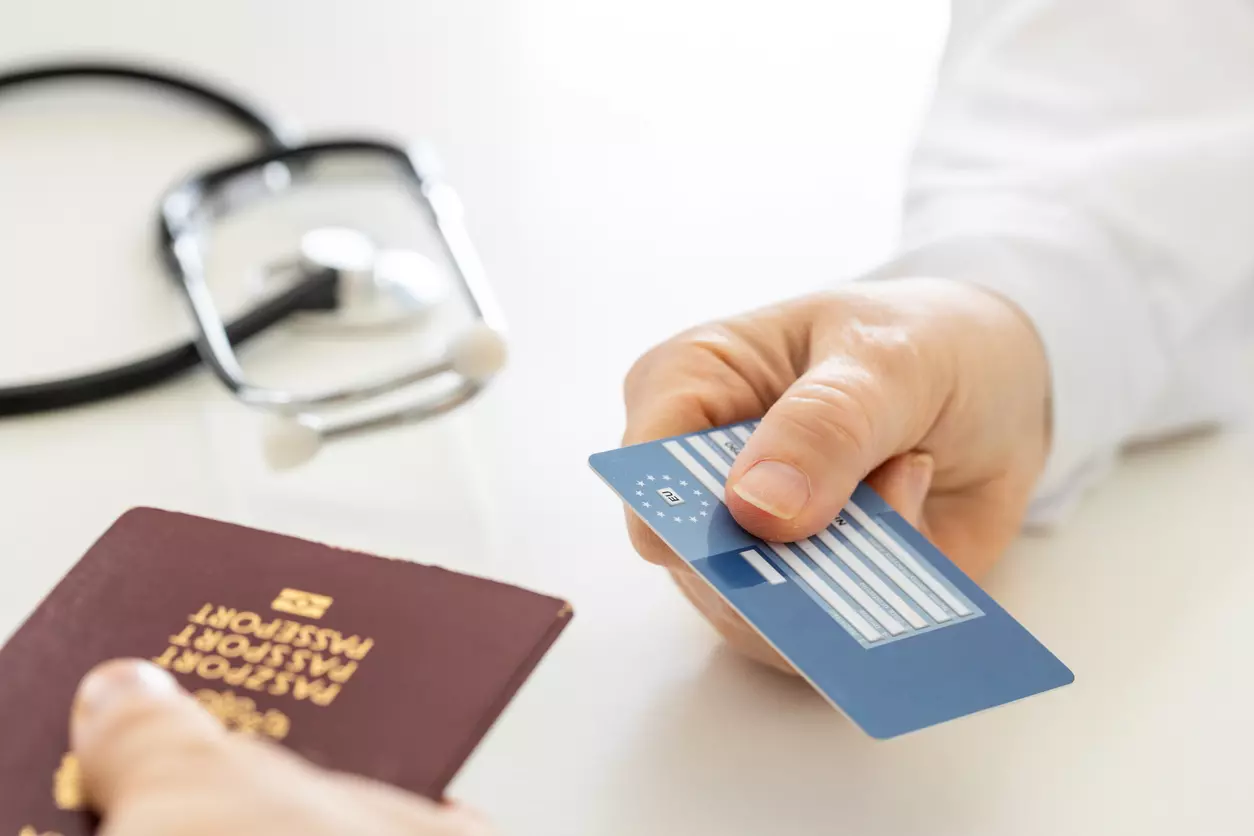
The Role of the European Health Insurance Card (EHIC)
The European Health Insurance Card (EHIC) lets eligible people access medically necessary state healthcare during temporary stays in participating European countries. This is usually under the same rules as local residents.
The EHIC can be useful for:
- Unexpected illnesses
- Needed treatment during travel
- Emergency medical care
- Ongoing treatment that cannot wait until you return home
However, digital nomads should know that the EHIC is not the same as full health insurance.
Limitations of the EHIC for Digital Nomads
The EHIC is helpful, but it has limits. These limits are especially important for people travelling for a long time.
The card usually does not cover:
- Private healthcare services
- Medical repatriation
- Planned medical treatment abroad
- Healthcare that is not medically needed
- Extra travel-related costs
Because many digital nomads travel between several countries during the year, extra health insurance or private healthcare is often a good idea.
Cross-Border Healthcare in the European Union
The European Union has made it easier for people to get medical care while travelling within Europe.
However, each country still manages its own healthcare system. This means the rules can still be different from one country to another. Reimbursement rules, prescription rules, and eligibility requirements may change depending on where you receive treatment.
For digital nomads, this means you should not assume every European country follows the same healthcare rules.
Why Healthcare Planning Is Important for Digital Nomads
Getting healthcare while travelling in Europe is usually easier when you are prepared. Understanding your healthcare rights, having the right insurance, and knowing the difference between public and private healthcare can help you get medical support more quickly when needed.
For many remote workers, using appropriate insurance, along with online healthcare services, is a practical way to maintain access to care while living and working across different European destinations.
Digital Nomad Visas and Healthcare Requirements in Europe
As more European countries offer digital nomad visas, healthcare coverage has become an important requirement. The rules vary by country, but most digital nomad visas require applicants to demonstrate sufficient healthcare coverage for their stay.
For digital nomads, understanding healthcare rules is just as important as meeting income rules or showing proof of remote work.
Why Is Healthcare Coverage Required?
European governments usually ask digital nomads to have healthcare coverage so they can get medical care without putting extra pressure on public healthcare systems.
Healthcare cover helps travellers:
- Get medical treatment when needed
- Pay for healthcare costs during their stay
- Access emergency care if needed
- Manage long-term health conditions
- Keep access to prescriptions and healthcare services
In many cases, proof of health insurance coverage must be included with the visa application.
Health Insurance Requirements for Digital Nomad Visas
The exact rules are different in each country. However, applicants are often asked to show proof of:
- Private health insurance
- Comprehensive international health insurance
- Healthcare coverage that stays valid for the whole visit
Some countries ask for a minimum level of cover. Others ask only that applicants show they can access healthcare while staying there.
Digital nomads should always check the latest visa guidance from the national immigration authority before applying.
Healthcare Requirements in Popular European Digital Nomad Destinations
The table below gives a general overview of healthcare requirements in some popular digital nomad destinations in Europe.
|
Country |
Digital Nomad Visa Available |
Healthcare Coverage Required |
|
Portugal |
Yes |
Yes |
|
Spain |
Yes |
Yes |
|
Croatia |
Yes |
Yes |
|
Estonia |
Yes |
Yes |
|
Malta |
Yes |
Yes |
|
Greece |
Yes |
Yes |
Healthcare coverage is commonly required, but the rules can still vary widely. Accepted insurance policies, eligibility rules, and required documents may differ by country.
What Type of Healthcare Coverage Is Usually Accepted?
Many digital nomads choose international health insurance because it can cover them in multiple countries. This is useful for people who move often.
Depending on the destination, accepted healthcare cover may include:
- International health insurance policies
- Private medical insurance
- Travel health insurance that meets visa rules
- Healthcare plans with cross-border cover
When comparing policies, it is important to check:
- Which countries are covered
- Emergency treatment benefits
- Outpatient care options
- Prescription cover
- How long does the cover last
- Exclusions and limits
Healthcare Considerations Beyond Visa Approval
Getting a visa is only the first step. Digital nomads should also consider how they will access healthcare once they arrive.
Useful questions include:
- How easy is it to find an English-speaking doctor?
- Are private clinics easy to find?
- How can prescriptions be renewed while travelling?
- What happens if ongoing treatment is needed?
- Can you access healthcare when moving between countries?
These everyday questions can affect healthcare access more than the visa rules themselves.
Why Digital Nomads Need a Long-Term Healthcare Strategy
Many remote workers move between several European countries during the year. This means healthcare planning should go beyond visa approval.
A long-term healthcare plan may include:
- Keeping valid health insurance
- Saving digital copies of medical records
- Learning about local healthcare systems
- Knowing how to get medical advice remotely
- Having a plan for prescription renewals while travelling
These steps can help digital nomads maintain access to healthcare, no matter where they travel.
As digital nomad communities grow across Europe, flexible healthcare options are becoming more important. Access to medical advice, prescriptions, and healthcare support across different countries can help remote workers stay healthy and productive while living abroad.
How to See a Doctor While Travelling in Europe
One common worry for digital nomads is knowing where to go for medical care. You may need help for a minor illness, a long-term health condition, or a sudden medical problem. Finding the right doctor while travelling can feel difficult, especially in a country you do not know well.
Luckily, digital nomads in Europe usually have several options for medical care. Each option has its own benefits and limits.
Option 1: Public Healthcare Clinics
Many European countries have public healthcare services. These may be available to eligible visitors in some situations.
Public healthcare clinics can treat many health problems, including routine appointments and urgent medical needs. Some travellers may be able to use public healthcare through healthcare agreements or existing healthcare rights.
Benefits of Public Healthcare
- Usually, lower treatment costs
- Strong healthcare systems
- Access to specialist referrals when needed
- Available in most European countries
Potential Challenges
- Eligibility rules can vary
- Registration can be complicated
- Longer waiting times for non-urgent appointments
- English-speaking healthcare staff may not always be available
For short-term travellers and digital nomads who move often, local registration rules may not always be practical.
Option 2: Private Medical Clinics
Private healthcare is widely available across Europe. It is often a popular choice for international travellers and remote workers.
Private clinics usually offer faster appointments, more flexibility, and services that are easier for international patients to use.
Benefits of Private Healthcare
- Faster access to medical care
- Flexible appointment times
- More English-speaking doctors
- Convenient locations in major cities and digital nomad hubs
- Simpler admin processes
Potential Challenges
- Higher consultation costs
- Prices can be very different between countries
- Insurance coverage may depend on the provider
For many digital nomads, private healthcare offers a useful balance between easy access and convenience.
Option 3: Online Doctors and Remote Healthcare Services
Online healthcare services are becoming more popular with travellers, expats, and remote workers. Online consultations allow patients to speak with qualified doctors without visiting a clinic in person.
This can be very useful for digital nomads who often move between countries and want steady access to healthcare support.
Online healthcare services can often help with:
- Common illnesses
- Medical advice
- Prescription requests and renewals
- Follow-up appointments
- Managing long-term conditions
- Travel-related health concerns
Because appointments can often be arranged using a smartphone, tablet, or computer, online healthcare gives travellers more flexibility than many traditional healthcare systems.
Comparing Healthcare Options for Digital Nomads
|
Healthcare Option |
Convenience |
Appointment Speed |
Language Flexibility |
Suitable for Travellers |
|
Public Clinic |
Moderate |
Moderate |
Varies |
Moderate |
|
Private Clinic |
High |
High |
Often Good |
High |
|
Online Doctor |
Very High |
High |
Often Excellent |
Very High |
For many digital nomads, the best approach is to use different healthcare options depending on the situation. Public healthcare may work in some cases, while private clinics and online doctors can be better for quick medical advice.
What Should Digital Nomads Consider When Choosing a Doctor?
Before booking an appointment, it can help to think about:
- Language support
- Appointment availability
- Cost of treatment
- Insurance cover
- Prescription requirements
- Follow-up care
- Location and convenience
Your healthcare needs may depend on the medical issue, the country you are visiting, and your personal situation.
Why Many Digital Nomads Are Turning to Online Healthcare
One of the biggest healthcare challenges for remote workers is keeping access to care while moving between countries. Traditional healthcare systems are often designed for people who live in one place. Digital nomads need healthcare options that fit a more flexible lifestyle.
Online healthcare services can help by giving access to medical advice wherever you are. Instead of searching for a new clinic in every destination, travellers can get healthcare support from their current location.
For digital nomads travelling across Europe, this flexibility can make healthcare much easier to manage. It can also reduce the disruption caused by illness or prescription needs.
Getting Prescriptions as a Digital Nomad in Europe
Managing prescriptions while travelling is very important for digital nomads. You may need regular medicine for a long-term condition, or treatment for a short illness. Knowing how prescriptions work in Europe can help you avoid problems with your health and travel plans.
Europe has improved healthcare access between countries, but prescription rules are still set by each country. This means getting medicine can be different depending on where you are.
Can Digital Nomads Get Prescriptions While Travelling in Europe?
In many cases, yes. Digital nomads can often obtain prescriptions while travelling, as long as the medication is permitted in that country and the prescription complies with local regulations.
Getting a prescription may involve:
- Seeing a local doctor
- Visiting a private medical clinic
- Using an online healthcare service
- Getting a prescription renewal after a medical review
The exact process depends on the country, the medicine, and the healthcare provider.
Understanding Cross-Border Prescriptions
Within the European Union, some rules help people access healthcare while travelling between member states. In some cases, a prescription from one EU country may be accepted in another.
However, this does not always happen automatically.
Several things can affect whether a prescription can be used abroad, such as:
- National prescription rules
- Whether the medicine is available
- Local pharmacy rules
- The type of medicine prescribed
- Whether another version of the medicine is available
Because each country manages its own healthcare system, digital nomads should not assume that a prescription from one country will always be accepted in another.
Common Prescription Challenges for Digital Nomads
Travellers often face practical problems when trying to keep access to medicine in different countries.
Medication Names May Differ
The same medicine may have different brand names across Europe. This can make it harder to find the right medicine at a pharmacy in a new country.
Doctors and pharmacists can often help by checking the active ingredient instead of the brand name.
Medication Availability Can Vary
Not all medicines are available in every European country. Some medicines may have different licences, restrictions, or supply issues.
This is especially important for travellers who need regular treatment for long-term health conditions.
Prescriptions May Expire
A prescription valid in one country may be accepted only for a limited time. If it expires while you are travelling, you may need a new medical review before you can get more medicine.
Different Rules for Controlled Medicines
Some medicines have stricter rules because they may be misused or cause dependency. These medicines often need extra documents and may not be prescribed or supplied in the same way across all countries.
Travellers carrying controlled medicines should always check local rules before crossing borders.
Practical Solutions for Prescription Management
The following steps can help digital nomads avoid common prescription problems.
|
Challenge |
Potential Solution |
|
Running out of medication |
Arrange a medical review before supplies run out |
|
Lost prescription |
Book a new consultation with a qualified healthcare provider |
|
Medication unavailable locally |
Discuss suitable alternatives with a doctor or pharmacist |
|
Prescription expired |
Request a new medical review |
|
Different medication names |
Keep records of active ingredients, not just brand names |
|
Travelling between multiple countries |
Carry copies of important medical documents |
How Online Healthcare Can Support Prescription Needs
For digital nomads, online healthcare services can make it easier to get medical advice while travelling between countries.
Depending on the medical situation and local rules, online doctors may be able to:
- Assess common health conditions
- Review ongoing treatments
- Give advice about medicine options
- Help with prescription requests where clinically suitable
- Support ongoing care while travelling
This can reduce the need to find a new healthcare provider in every destination. It can also help travellers get medical support more easily.
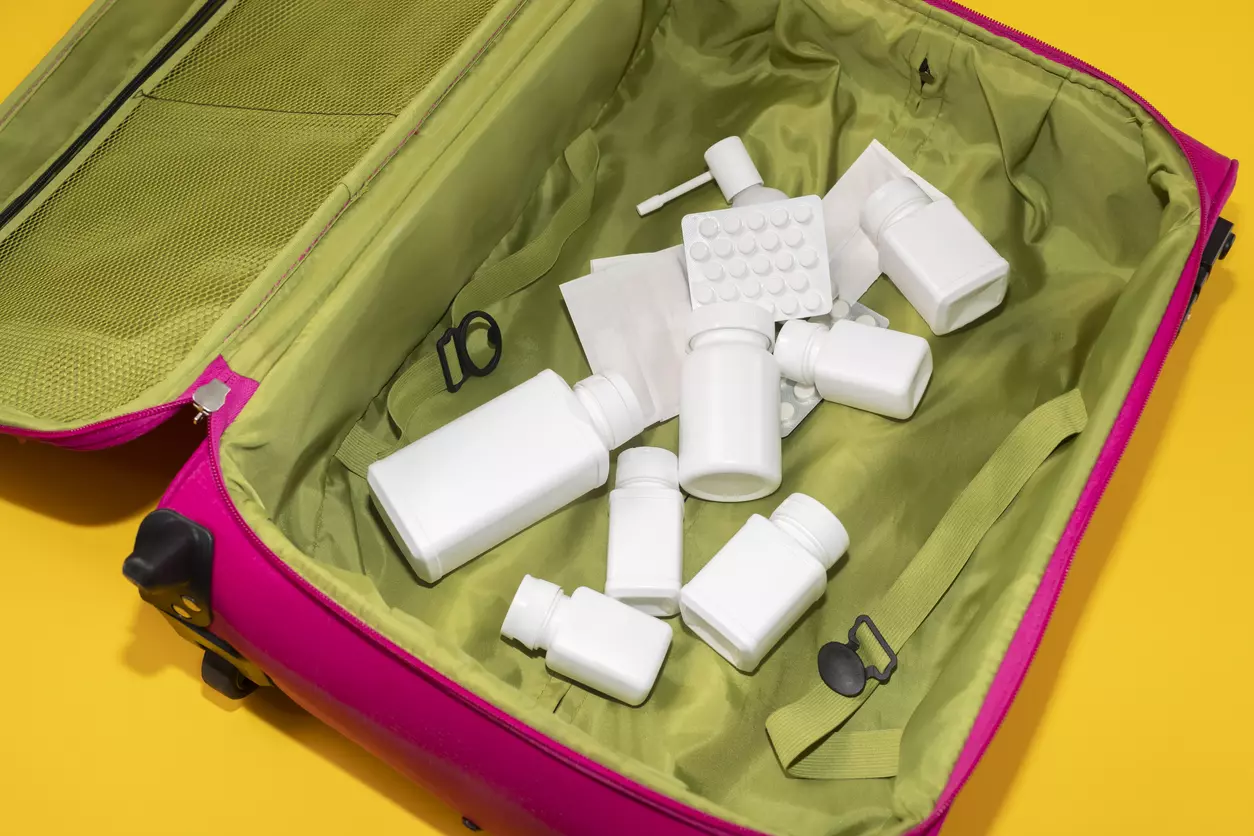
Tips for Travelling With Prescription Medication
If you need regular medicine, planning ahead can help prevent problems during your travels.
Consider these best practices:
- Carry enough medicine where legally allowed
- Keep medicines in their original packaging
- Store copies of prescriptions safely
- Keep an up-to-date medication list
- Record both brand names and active ingredients
- Check local medicine rules before travelling
- Arrange prescription reviews before long trips
Planning Ahead Can Prevent Disruptions
Prescription access is often forgotten until a problem happens. For digital nomads who travel across Europe for long periods, planning ahead can make a big difference.
Understanding local rules, keeping accurate medical records, and knowing how to access healthcare support can help ensure medicine remains available throughout your journey. This can reduce stress and support better health while living and working abroad.
Why Online Healthcare Is Becoming Essential for Digital Nomads
Traditional healthcare systems are usually made for people who live in one place. Patients often register with a local doctor, attend appointments in person, and receive care through a single healthcare system. For digital nomads who often move between countries, this does not always work well.
As remote work grows across Europe, many travellers are using online healthcare services to get medical support wherever they are. Online consultations offer a flexible way to fill the gaps caused by frequent travel and changing healthcare systems.
Maintaining Continuity of Care Across Borders
One of the biggest challenges for digital nomads is getting steady healthcare while moving between places.
A traveller may spend several months in Portugal, then move to Spain, and later stay in Croatia or Greece. Finding a new doctor in every place can take time and may lead to broken care.
Online healthcare can help by allowing patients to access medical advice without being tied to a single city or clinic. This can be especially useful for people with ongoing health concerns or those who need regular medical advice.
Faster Access to Medical Advice
When health problems happen during travel, many people want quick answers. They may not want to spend hours looking for local doctors or trying to understand a new healthcare system.
Online consultations can give easy access to qualified doctors for many non-emergency health concerns, including:
- Minor illnesses
- Skin conditions
- Allergies
- Urinary tract infections
- Travel-related health concerns
- General medical advice
For digital nomads managing work and travel, remote access to healthcare can save time.
Support With Prescriptions While Travelling
Managing prescriptions can be one of the most stressful parts of healthcare abroad. Medicine needs do not stop just because someone is travelling.
Online healthcare services can support travellers who need:
- Prescription reviews
- Medical assessments
- Advice about medicine options
- Help manage ongoing treatments
Where clinically appropriate and permitted by local rules, online consultations may also provide patients with prescription-related support while travelling.
Reduced Administrative Challenges
Healthcare administration can become difficult when moving between several countries during the year.
Digital nomads often face problems such as:
- Different healthcare registration systems
- Language barriers
- Unfamiliar appointment booking processes
- Different document requirements
Online healthcare can make this simpler by offering a more consistent experience wherever you are. Instead of learning a new healthcare system in every destination, travellers can access care through a familiar platform.
Healthcare Access From Almost Anywhere
One of the main benefits of online healthcare is its ease of access. As long as travellers have an internet connection, they can get medical advice without needing to find a nearby clinic.
This flexibility is especially useful for:
- Slow travellers moving between countries
- Remote workers based in smaller towns
- People staying outside major cities
- Travellers with busy work schedules
Being able to speak to a doctor from a hotel, apartment, coworking space, or temporary accommodation can make healthcare much more convenient.
Supporting a Modern, Location-Independent Lifestyle
Remote work has changed how people live, work, and travel. Healthcare is also changing to support people who move around more.
For digital nomads, healthcare is no longer limited to local clinics and local healthcare systems. Online healthcare offers a practical way to get medical advice, manage common health issues, and keep access to care while travelling across Europe.
As the digital nomad community continues to grow, online healthcare is becoming an important part of long-term travel planning. For many remote workers, it offers a flexible healthcare option that fits well with a location-independent lifestyle.
Conclusion
Healthcare planning is an important part of living and working as a digital nomad in Europe. Many European countries offer high-quality medical care, but access can vary depending on where you are, how long you stay, your insurance coverage, and whether you need prescriptions or ongoing treatment.
By understanding your healthcare options before you travel, you can avoid extra stress and feel more confident if you become unwell abroad. Public healthcare, private clinics, insurance, and online consultations can all help you stay prepared.
Mobi Doctor helps digital nomads access medical advice through online consultations from 7 am to 11 pm. Whether you need help with a common health concern, guidance on symptoms, or prescription-related support, Mobi Doctor offers a simple and flexible way to access healthcare while travelling in Europe.