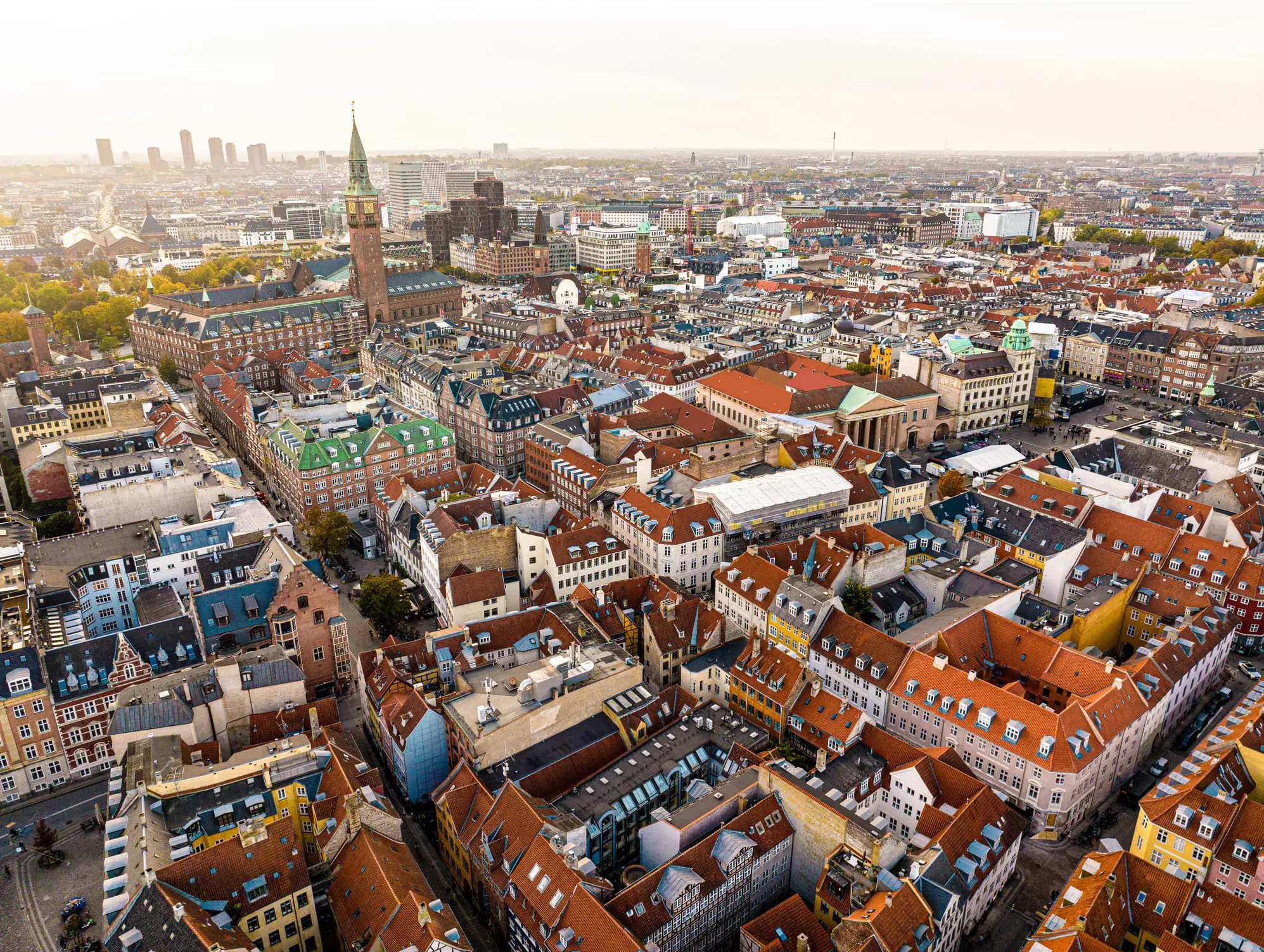
Denmark is one of the easiest countries in Europe to explore. Visitors can cycle through cities, walk along the waterfront, visit old castles, and travel between islands without much trouble. Many tourists spend long days seeing the sights. But even a well-planned trip can be affected by sudden health problems. You may feel unwell, sustain a minor injury, or notice that an existing condition is worsening.
When you are away from home, it helps to know where to get medical help. This can make a stressful situation easier to manage. Understanding urgent care in Denmark can help travellers feel more prepared. Whether you need advice about new symptoms, treatment for an infection, or help with a minor injury, knowing your options can help you get the right care and enjoy the rest of your trip.
What Counts as Urgent Care in Denmark?
Not every health problem can wait until you go home. But not every symptom means you need to go to the emergency room. This is where urgent care can help. In Denmark, urgent care is for health problems that need medical help soon, but are not life-threatening.
For tourists, this may happen when symptoms start to affect your day. A small problem in the morning may become more painful or worrying later. When rest, water, or basic medicine are not enough, it is a good idea to get medical advice.
Urgent care can help with problems such as infections, pain that does not go away, worsening breathing symptoms, stomach problems, skin issues, and minor injuries. These problems may not be emergencies, but they may still need a doctor, a diagnosis, or medicine.
It helps to think of healthcare in Denmark in three levels. For small health problems, a pharmacy may be a good first step. A pharmacist can give advice and suggest simple medicines you can buy without a prescription. But they cannot give a full medical check-up or diagnose more serious problems.
Emergency departments are for serious illnesses and injuries. You should seek emergency care straight away for chest pain, severe breathing problems, serious injuries, or signs of a stroke.
Urgent care is between these two options. It helps travellers get medical advice and treatment for problems that need attention soon, but are not an immediate danger to life. This can help you feel better, avoid delays, and continue your trip with more confidence.
Which Healthcare Option Should You Use in Denmark?
|
Situation |
Best Option |
|---|---|
|
Medical advice in English |
Mobi Doctor |
|
Unsure whether you need in-person care |
Mobi Doctor |
|
Minor cold symptoms |
Pharmacy |
|
Need medication advice |
Pharmacy |
|
GP closed and concern cannot wait |
Lægevagten / 1813 |
|
Serious injury or illness |
Akutmodtagelse |
|
Life-threatening emergency |
112 |
Where Can Tourists Get Medical Help in Denmark?
Denmark offers several healthcare options depending on your symptoms and the urgency of your condition. Pharmacies can help with minor illnesses and medication advice, while doctors and urgent care services can assess more complex symptoms. Outside normal opening hours, urgent but non-life-threatening concerns are often handled through regional out-of-hours services. Serious illnesses and injuries should be treated in a hospital emergency department.
Can Tourists See a Doctor in Denmark Without Danish Health Insurance?
Yes. Visitors can access private healthcare services and online doctor consultations in Denmark without being registered with the Danish healthcare system. Depending on your nationality and insurance arrangements, you may be eligible for certain healthcare services or reimbursement. Many travellers also rely on travel insurance to help cover medical expenses while visiting Denmark.
Common Reasons Tourists Need Urgent Care in Denmark
Many visitors spend a lot of time outdoors in Denmark. They may cycle around cities, walk through busy streets, visit the coast, or take day trips. These long days can be fun, but they can also lead to health problems.
Changes in routine, food, weather, and activity levels can also affect your health while travelling.
Most of these problems are not serious emergencies. But they can still make you feel unwell, slow you down, or stop you from enjoying your trip. Urgent care in Denmark can help tourists quickly access medical advice and treatment.
Some common reasons tourists need urgent care include:
- Respiratory illnesses: Colds, coughs, sore throats, and flu-like symptoms can occur during travel, especially after spending time in airports, on public transport, or in crowded places.
- Fever that does not go away: A fever that lasts for more than a short time, or comes with tiredness, headaches, or body aches, may need to be checked by a doctor.
- Cycling and walking injuries: Many visitors cycle or walk a lot in Denmark. Falls, twisted ankles, sore muscles, and small injuries can happen.
- Stomach problems: New foods, different meal times, or not drinking enough water can cause nausea, diarrhoea, stomach cramps, or vomiting.
- Ear, nose, and throat problems: Sinus pain, ear pain, and throat infections can become painful and may need treatment.
- Urinary tract infections: Pain when passing urine, needing to urinate more often, or lower stomach pain may be signs of a urinary tract infection.
- Skin rashes and allergic reactions: New plants, foods, insect bites, or other surroundings can cause itching, swelling, rashes, or allergic reactions.
- Asthma and breathing symptoms: Exercise, pollen, weather changes, or infections can worsen breathing problems.
- Small cuts and infected wounds: Small cuts from outdoor activities can sometimes become red, swollen, painful, or infected.
These problems are usually not emergencies. But they can make travel uncomfortable and affect your plans. Getting medical help early can help you feel better, manage your symptoms, and continue enjoying your time in Denmark.
How to Get Urgent Care in Denmark
If you feel unwell during your trip, you may want quick, reliable medical advice. In Denmark, there are different ways to get help, depending on your symptoms. Knowing your options can help you get the right care without wasting time.
Medical Help From Local Healthcare Services
If your symptoms are hard to manage, very uncomfortable, or stopping you from enjoying your trip, it may be time to get medical help.
A healthcare professional can ask about your symptoms, check your medical history, and decide what care you need. You may need treatment, medicine, or more tests.
This can help with infections, stomach problems, breathing issues, skin conditions, urinary symptoms, or minor injuries. In larger cities, such as Copenhagen, tourists may find healthcare services used to helping visitors from other countries.
Pharmacies for Minor Health Problems
Pharmacies are common across Denmark. They can help with simple, short-term health problems. A pharmacist can suggest medicines you can buy without a prescription. They can also give advice for headaches, mild allergies, small colds, or mild stomach problems.
But pharmacies cannot help with every problem. If your symptoms are worsening, lasting longer than expected, or causing significant pain, it is best to seek a medical assessment.
Urgent Care for Tourists in Denmark
If you are not sure how serious your symptoms are, online urgent care can be a useful first step. Instead of going straight to a clinic, you can speak with a healthcare professional and get advice based on your symptoms.
This can be helpful if you are staying on a smaller island, travelling between places, or do not want to disrupt your plans unless you need to. A healthcare professional can tell you if your symptoms can be managed with self-care, if you need an in-person appointment, or if you need urgent help.
Online urgent care is not for emergencies or serious medical problems. But for many non-emergency health concerns, it can help you get advice, understand your options, and make safer choices while travelling in Denmark.
When to Go to the Emergency Room Instead
Many illnesses and minor injuries can be treated with urgent care. But some symptoms need emergency help straight away.
Do not wait for a normal appointment or try to manage serious symptoms on your own. Emergency departments in Denmark are for serious health problems that need fast treatment.
A simple way to decide is to ask: could this problem be dangerous right now? If yes, emergency care is usually the right choice.
Tourists should go to the emergency room or call emergency services for:
- Severe trouble breathing or sudden shortness of breath that is getting worse.
- Chest pain, tightness, or pressure, especially if it spreads to the arm, shoulder, neck, jaw, or back.
- Signs of a stroke include a drooping face, weakness on one side of the body, confusion, trouble speaking, or sudden vision problems.
- Heavy bleeding that does not stop when pressure is applied.
- Loss of consciousness, collapse, seizures, or not responding.
- Serious injuries from cycling accidents, falls, road accidents, or other major injuries.
- Severe allergic reactions, especially swelling of the face, lips, tongue, or throat.
- Major burns or injuries that need urgent medical treatment.
In Denmark, the emergency number is 112. Call this number if someone may be in a life-threatening situation.
Knowing when to choose emergency care can help treat serious health problems get treated quickly. If symptoms are severe, worsening quickly, or could be dangerous, contact emergency services straight away.
How Online Urgent Care Helps Tourists in Denmark
Health problems can happen at any time during a trip. You may start feeling unwell during a day out, while cycling, or later in the evening when you are not sure where to get help. In these moments, many travellers just need clear medical advice before deciding what to do next.
Online urgent care lets you speak with a healthcare professional straight away without leaving your accommodation. You can talk about your symptoms, learn what may be causing them, and get advice on the next steps. This can be helpful if you are staying in a big city, visiting a coastal town, or travelling between islands. Online care can give you medical support from many places in Denmark.
It can also help make things clearer. Some symptoms may feel worrying, but may not be serious. Other symptoms may need medical attention sooner. A healthcare professional can explain whether you should try self-care, visit a pharmacy, book an in-person appointment, or seek urgent help. Online urgent care can also save time for travellers who are unfamiliar with the local healthcare system. Instead of searching for where to go, you can get advice based on your symptoms and situation.
Online urgent care is not for emergencies. It also cannot replace a physical check-up when one is needed. But for many non-emergency health problems, it can be a useful first step. For tourists in Denmark, it can offer medical advice, reassurance, and support when unexpected symptoms happen during a trip.
Practical Tips for Tourists Seeking Urgent Care in Denmark
A little planning can help if you need medical care during your trip. Keeping important details with you can make it easier for healthcare professionals to help.
Here are some useful tips:
- Carry a valid passport or photo ID. You may need this when getting medical care.
- Keep a list of your regular medicines, including the dose you take.
- Write down any allergies or medical conditions you have.
- Save the emergency number 112 in your phone.
- Keep your accommodation address and contact details easy to find.
- Have your travel insurance or health insurance documents with you.
- Save any emergency assistance numbers from your insurance provider.
- If you plan to cycle or spend a lot of time outdoors, carry water, any necessary medication, and a fully charged phone.
- Write down emergency contacts who can help if needed.
- Store important health details on your phone so you can find them quickly.
Being prepared cannot prevent health problems. But it can make them easier to manage. When you have key information ready, you can focus on getting the right care and feeling better.
Conclusion
Unexpected health problems can happen on any trip. You may become unwell while exploring Copenhagen, cycling in the countryside, or visiting Denmark's coastal towns and islands. Knowing how to get medical help can make the situation less stressful. It can also help you make safer choices if symptoms appear.
In Denmark, tourists can use healthcare services, pharmacies, and online urgent care for non-emergency problems. Knowing when to use each option can help you get the right care without long delays. With some planning and a basic understanding of healthcare in Denmark, tourists can manage health problems with more confidence and enjoy the rest of their trip with greater peace of mind.
Frequently Asked Questions
What should I do first if I feel unwell in Denmark?
Start by thinking about how serious your symptoms are. For mild symptoms, a pharmacy may be enough. If symptoms are painful, worsening, or preventing you from enjoying your trip, speak with a healthcare professional. For serious or life-threatening symptoms, call 112.
Can I get urgent care in Denmark as a tourist?
Yes. Tourists can get medical help in Denmark if they become unwell or injured. This can include advice, assessment, treatment, or medication for non-emergency health problems.
When should I choose urgent care instead of a pharmacy?
A pharmacy can help with simple problems like mild headaches, colds, or allergies. Urgent care is better if your symptoms last longer than expected, worsen, or include pain, fever, signs of infection, breathing symptoms, or urinary problems.
When should I go to the emergency room?
Go to the emergency room or call 112 if you have chest pain, severe breathing problems, signs of a stroke, heavy bleeding, loss of consciousness, a serious injury, or a severe allergic reaction.
Can online urgent care help while I am travelling around Denmark?
Yes. Online urgent care can be useful if you are moving between cities, staying on an island, or unsure where to go. A healthcare professional can guide you on whether self-care, a pharmacy, an in-person visit, or emergency care is needed.
What should I keep with me in case I need medical help?
Carry photo ID, travel insurance details, a list of your medicines, allergy information, and your accommodation address. Keeping these details on your phone can also help in a stressful situation.
Can urgent care help me continue my trip?
In many cases, yes. Getting advice early can help you manage symptoms, avoid delays, and understand what steps to take next. This can make it easier to recover and continue your travel plans safe