In brief
- Portugal has a public system (SNS) plus private clinics and hospitals; tourists can use both, and emergencies are treated in public hospitals.
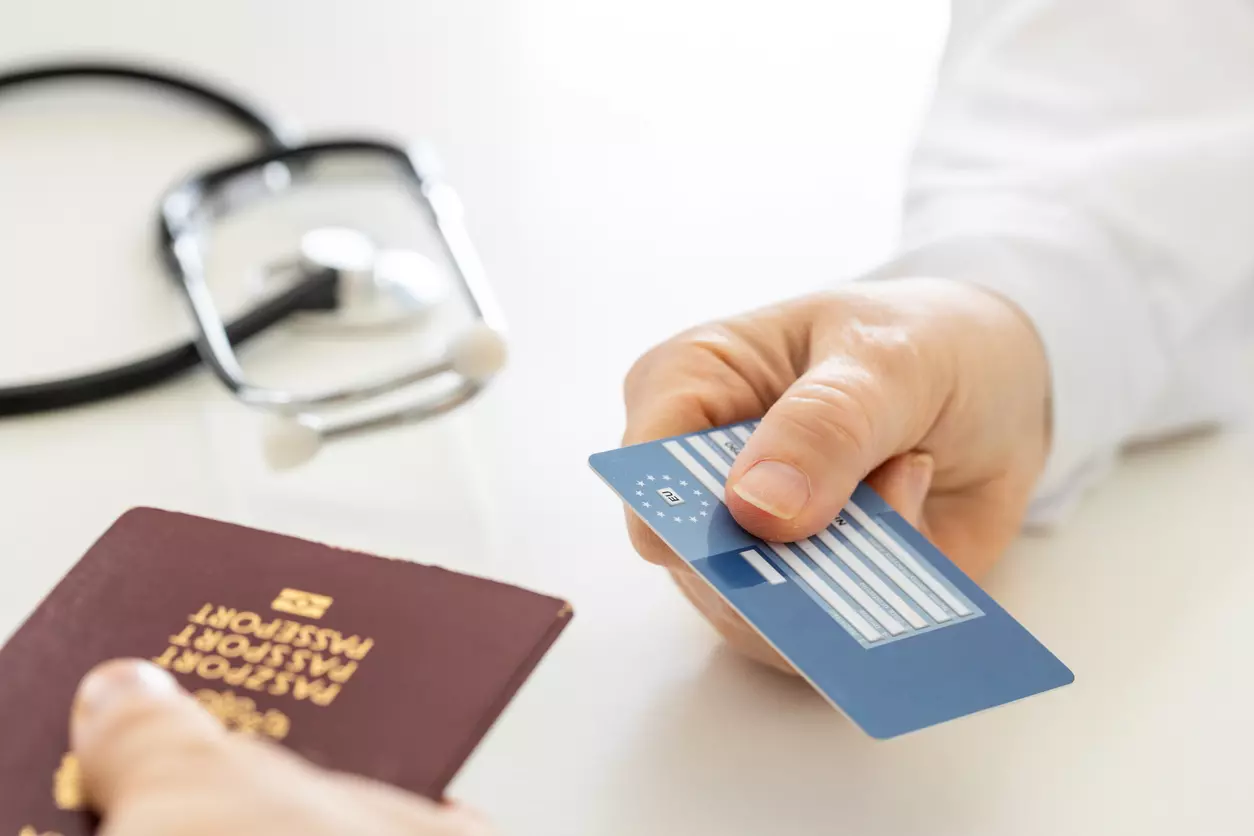
- EU visitors with an EHIC or GHIC get free or low-cost state care; non-EU travellers usually pay first and claim on travel insurance.
- Private care is faster and English-speaking: about €40 to €100 for a doctor's visit, €80 to €150 for a specialist and €200 to €500 for emergency treatment at a private clinic.
- Pharmacies (farmácias, marked with a green cross) dispense prescriptions and over-the-counter medicines and advise on minor illness; a rota of farmácias de serviço stays open nights, weekends and holidays.
- Call 112 in an emergency and the SNS 24 line (808 24 24 24) for non-emergency advice.
- Controlled medicines need extra checks, so carry your prescriptions and a medication list.
Healthcare in Portugal for Travellers and Tourists: How to Get Medical Care & Prescriptions
Your Complete Guide to Doctors, Pharmacies, and Medical Costs in Portugal
Portugal boasts a comprehensive healthcare system that caters to tourists, digital nomads, and expatriates. It offers both public and private healthcare options. Public healthcare is free or cheap for residents and EU citizens with a European Health Insurance Card (EHIC), but private healthcare might be easier to use if you’re from outside the EU. Private hospitals and clinics usually have shorter wait times, English-speaking doctors, and more specialised services. If you have a minor health issue, you can try telemedicine, which allows you to consult with a doctor online without leaving your home.
Pharmacies are easily identifiable by their green cross signs. They can help with prescriptions or over-the-counter medicines. Healthcare in Portugal is generally affordable; however, it’s still a good idea to check your travel insurance to ensure you’re covered. Whether you need a quick check-up or emergency care, Portugal’s healthcare system is ready to help! This guide provides comprehensive information on healthcare in Portugal, including how to access medical services as a visitor.
Which Healthcare Option Should You Use in Portugal?
|
Situation |
Recommended Option |
|---|---|
|
Need medical advice in English |
Mobi Doctor |
|
Unsure whether you need in-person care |
Mobi Doctor |
|
Minor illness or medication advice |
Pharmacy |
|
Need a doctor’s appointment |
GP or Private Clinic |
|
Need urgent non-emergency care |
SNS 24 or Local Medical Service |
|
Need hospital assessment |
Hospital |
|
Life-threatening emergency |
112 |
Public vs. Private Healthcare in Portugal
Portugal has two main types of healthcare: public and private. Both are good, but they work differently. Here’s what you need to know to choose the best option for you.
Public Healthcare in Portugal (Serviço Nacional de Saúde - SNS)
Portugal’s public healthcare system is called Serviço Nacional de Saúde (SNS). It’s free or cheap for residents and people from the European Union (EU) who have a European Health Insurance Card (EHIC) or Global Health Insurance Card (GHIC).
Can tourists use public hospitals?
Yes, tourists can use public hospitals. If you’re from the EU and have an EHIC or GHIC, you might not have to pay much. If you’re from outside the EU, you may need to pay upfront and then claim reimbursement from your travel insurance.
Are public hospitals cheaper than private clinics?
Yes, public hospitals are generally more affordable. However, you may have to wait longer to see a doctor or receive treatment.
Will insurance cover public hospital visits?
Many travel insurance plans cover public healthcare costs. Check your insurance before travelling to ensure you're covered.
For more information, visit SNS.gov.pt.
Private Healthcare for Travellers and Tourists
Many visitors prefer private healthcare because it’s faster and easier to use. Private clinics and hospitals often have shorter wait times, English-speaking doctors, and quick access to specialists.
Benefits of Private Healthcare:
- Shorter wait times: You can see a doctor quickly without waiting too long.
- English-speaking doctors: Many private doctors speak English, which is helpful for tourists.
- Better access to specialists: You can see a specialist faster without needing a referral.
However, private healthcare isn’t free. Here’s an idea of how much it might cost:
|
Healthcare Option |
Estimated Cost |
|
Private doctor visit |
€40 - €100 |
|
Specialist consultation |
€80 - €150 |
|
Emergency treatment at a private clinic |
€200 - €500 |
Always check the costs before you go to a private clinic. Also, make sure your travel insurance covers private healthcare, so you don’t have to pay a lot of money yourself. For more details, visit Ordem dos Médicos.
Which Should You Choose?
If you’re from the EU and have an EHIC or GHIC, public healthcare is a good, cheap option. But if you’re in a hurry or need to see a specialist quickly, private healthcare might be better, even though it costs more.
No matter which you choose, Portugal’s healthcare system is great and will take good care of you. Just remember to check your insurance and bring your EHIC or insurance details with you!
Getting Prescriptions and Medication in Portugal as a Tourist
Needing medication while travelling can be stressful, especially if you become ill unexpectedly, lose your medication, run out of a prescription, or need treatment for a new health concern. Fortunately, Portugal has a well-developed healthcare and pharmacy network, making it relatively straightforward for tourists to access prescription medication and medical advice when needed.
Whether you are visiting Lisbon, Porto, Faro, Madeira, the Azores, or a smaller destination, pharmacies are widely available, and healthcare services can help travellers obtain appropriate treatment.
What If You Need a New Prescription While Travelling?
Many tourists need prescription medication because they develop a new medical problem during their trip, rather than because they forgot medication from home.
Common reasons visitors seek prescription treatment in Portugal include:
- Urinary tract infections
- Respiratory infections
- Sinus infections
- Ear infections
- Skin infections
- Allergic reactions
- Asthma flare-ups
- Eye infections
- Gastrointestinal illnesses
- Travel-related health concerns
If your symptoms require medical assessment, a doctor can review your condition, discuss treatment options, and determine whether prescription medication is appropriate.
Depending on the situation, this may be done through:
- A local doctor
- A private medical clinic
- A hospital service
- An online doctor consultation
Seeking medical advice early can help prevent symptoms from worsening and may make it easier to continue your trip comfortably.
What If You Lose Your Medication While Visiting Portugal?
Losing medication is one of the most common healthcare problems travellers face.
Medication may be misplaced during flights, forgotten in accommodation, lost during travel between cities, or damaged during a trip. If this happens, it is important to gather as much information as possible about your usual treatment.
Helpful information includes:
- The medication name
- The dosage and strength
- How often you take it
- The condition being treated
- A copy of your prescription if available
- Contact information for your regular doctor or pharmacy
Having accurate information available can help healthcare professionals understand your treatment requirements and discuss appropriate options.
Travellers who take long-term medication may find it useful to keep copies of prescriptions and medication lists stored securely on their phone before travelling.
Prescription Medication and Medical Assessment
Many prescription medicines cannot be supplied without a doctor’s assessment.
Healthcare professionals have a responsibility to ensure that treatment is safe, appropriate, and suitable for the patient. This means a doctor may need to review:
- Current symptoms
- Medical history
- Existing medications
- Allergies
- Relevant health conditions
Even if you have previously taken a medication, a healthcare professional may still need to determine whether it remains appropriate for your current situation.
This process helps ensure medicines are used safely and effectively.
Controlled and Restricted Medications
Certain medicines are subject to stricter regulations than standard prescription medications.
Examples may include:
- Strong opioid pain medications
- ADHD medications
- Benzodiazepines
- Certain sleeping tablets
- Some psychiatric medications
- Medicines subject to special monitoring requirements
These medications often require additional review and may not be available in the same way as standard prescription medicines.
Requirements vary depending on the medication involved and the circumstances of the request. Travellers who depend on controlled medications should ensure they have sufficient supplies for their trip where legally permitted and carry supporting medical documentation.
Pharmacies in Portugal
Pharmacies in Portugal are known as Farmácias and are easy to identify by the illuminated green cross displayed outside.
They are widely available throughout the country, including:
- Lisbon
- Porto
- Faro
- Braga
- Coimbra
- Madeira
- The Azores
- Smaller towns and tourist destinations
Portuguese pharmacists are highly trained healthcare professionals and can provide support with many medication-related questions.
Pharmacies can:
- Dispense prescription medicines
- Provide over-the-counter treatments
- Offer advice on common illnesses
- Explain how medications should be used
- Discuss potential side effects
- Help identify when a doctor’s assessment may be needed
- Direct patients to appropriate healthcare services
For many minor health concerns, a pharmacy may be the quickest and most convenient first step.
Over-the-Counter Medicines in Portugal
Many common illnesses can be managed using medicines available directly from pharmacies without a prescription.
Examples include treatments for:
- Headaches
- Minor pain
- Cold and flu symptoms
- Mild allergies
- Digestive complaints
- Travel sickness
- Minor skin irritations
- Insect bites
A pharmacist can advise which options may be suitable and explain how they should be used safely.
If symptoms are severe, persistent, worsening, or unusual, a doctor’s assessment is usually recommended.
24-Hour and On-Duty Pharmacies in Portugal
Travellers do not always become ill during normal opening hours.
Portugal operates an on-duty pharmacy system known as Farmácia de Serviço, ensuring that access to medication remains available outside standard business hours.
These pharmacies provide access to medication during:
- Evenings
- Weekends
- Public holidays
- Overnight periods
The pharmacy on duty changes according to a rotating schedule, allowing both residents and visitors to obtain urgent medication when needed.
This service can be particularly valuable for travellers who develop symptoms unexpectedly outside normal pharmacy opening hours.
Useful Healthcare Contacts for Medication and Medical Advice
If you need help while travelling in Portugal, the following contacts may be useful:
|
Service |
Contact |
|---|---|
|
Emergency Services (Ambulance, Police, Fire) |
112 |
|
SNS 24 Health Advice Line |
808 24 24 24 |
|
On-Duty Pharmacy Information |
Local Farmácia de Serviço |
The SNS 24 service can help direct patients to appropriate healthcare services and provide guidance on where to seek medical attention.
Getting Medication While Travelling in Portugal
Most prescription and medication-related issues can be managed successfully when addressed early. Whether you need treatment for a new illness, have lost important medication, require prescription renewal advice, or need help understanding available treatment options, Portugal offers a wide range of healthcare services designed to support both residents and visitors.
Understanding how pharmacies, prescriptions, and medical services work before you need them can make healthcare easier to navigate. By seeking medical advice early and using the most appropriate healthcare service for your situation, you can often access treatment quickly and continue your trip with greater confidence and peace of mind.
Finding A Doctor In Major Cities
Finding a doctor in Portugal’s big cities is easy, whether you’re a tourist, digital nomad, or expat. If you are searching for “Urgent Care Near Me Portugal”, your search ends here. With Mobi Doctor, you can quickly get urgent care in Portugal from your home. If you don’t want to leave your hotel or Airbnb, you can talk to a doctor online using telemedicine services. Here’s a list of major cities in Portugal where you can find a doctor quickly:
You’ll find plenty of English-speaking doctors in these cities with Mobi Doctor. Whether you want to visit a doctor in person or consult one online, Portugal’s healthcare system makes it simple to get the help you need.
How to Find a Doctor in Portugal
Finding a doctor in Portugal is easy because the healthcare system is well-organised. Whether you live here or visit, there are many ways to get medical help. Here’s a simple guide to help you understand your choices.
Public Healthcare Facilities
Portugal’s public healthcare system is Serviço Nacional de Saúde (SNS). It provides healthcare for everyone. You can use the SNS 24 website or app to find a doctor or clinic near you. Public hospitals and clinics are good, but you might have to wait longer to see a doctor. If you’re not from the EU, you may need to pay upfront and then ask your insurer to reimburse you.
Emergency Medical Services
If you have an emergency, Portugal has quick services to help you. Call 112 for urgent help like ambulances, fire services, or police. For problems that are urgent but not life-threatening, call SNS 24 at 808 24 24 24. They will tell you what to do or where to go for help. This service works 24 hours a day.
Online Telemedicine Services
Telemedicine is a great way to talk to a doctor online without leaving your home. Services like Mobi Doctor let you:
- Get quick consultations without waiting.
- Talk to English-speaking doctors for clear advice.
- Receive digital prescriptions on your phone.
This is perfect for small health problems or if you can’t visit a clinic.
Private Healthcare Options
Many people choose private healthcare because it’s faster and easier. Private clinics are available in big cities like Lisbon, Porto, and Faro. You can book appointments online or through apps, making it simple to find a doctor who speaks English.
Knowing these options helps you access the medical care you need in Portugal. Whether it’s a regular check-up, an emergency, or a quick online consultation, Portugal’s healthcare system has you covered!
Using Prescriptions from Non-EU Countries
If you’re from a non-EU country, the rules are stricter. Some medicines may be accepted, but stronger ones will likely need approval from a Portuguese doctor. If your medication is strong or controlled, you must see a local doctor to obtain a new prescription. Bring your original prescription and a letter from your doctor explaining why you need the medicine.
Controlled Substances
Controlled substances, like strong painkillers or anxiety medicines, cannot be given in Portugal without a prescription from a Portuguese doctor. You’ll have to see a local doctor to get a new prescription if you need these medicines. Make sure to bring your medical records to help explain your situation.
Pharmacy Services in Portugal
Pharmacies in Portugal, called Farmácias, are easy to find and sell prescription and over-the-counter medicines. They are usually open during normal business hours, but some offer emergency services. Look for the green cross sign to spot a pharmacy. For more information, visit Infarmed, Portugal’s medicine authority.
Here’s a simple table to help you understand the rules for using prescriptions in Portugal:
|
Situation |
Can You Use Prescription? |
|
From an EU country |
Yes, if it follows EU rules. Most Farmácias will accept it. |
|
From a non-EU country |
Maybe, but stronger medicines will need approval from a Portuguese doctor. |
|
Controlled substances (e.g., strong painkillers) |
No, you need a new prescription from a Portuguese doctor. |
Some pharmacies stay open 24/7 on a rotating schedule if you need medicine outside normal hours. Check the notice on the pharmacy door or look online to find the nearest one open during emergencies. Knowing these rules and services lets you easily get the medicines you need while in Portugal. Always carry your prescription and medical documents, and don’t be afraid to ask the pharmacy staff for help—they’re there to support you!
Tips for Travellers and Tourists
- Check if your medicine is allowed in Portugal before you travel. Some medicines allowed in your home country might be restricted in Portugal.
- Visit a Farmácia with your prescription and any supporting documents. Pharmacists in Portugal are helpful and can guide you on what to do next.
- Try telemedicine if you need a quick consultation to get a new prescription. Many online services let you talk to Portuguese doctors who can help.
By following these tips, you can make sure getting your prescription in Portugal is easy and stress-free. Always plan and bring the right documents to avoid any problems!
Cost of Medical Care in Portugal
Medical care in Portugal is usually cheaper than in many other European countries, but the cost depends on whether you use public or private services. Here’s an idea of what you might pay for common medical services:
- General doctor visit: €40 - €100
- Emergency room visit: €150 - €300
- Specialist consultation: €80 - €150
- Hospital overnight stay: €400 - €1,000
- Prescription medications: €5 - €50
Public healthcare is free or very cheap if you’re a resident or an EU citizen with a European Health Insurance Card (EHIC). If you’re from outside the EU, you’ll need to pay upfront and then claim back from your travel insurance. Private healthcare costs more but is faster and often has English-speaking doctors. Medicines are usually affordable, and pharmacies can suggest cheaper options. Always check if your insurance covers medical costs in Portugal to avoid surprise bills. For more information, visit Seg-social.pt.
Emergency Contacts & 24/7 Pharmacies in Portugal
Knowing the right emergency numbers in Portugal can help you get help fast. If you have a serious emergency, like needing an ambulance, police, or fire services, call 112. This number works 24/7 and connects you to all emergency services.
If you have a health problem that’s urgent but not life-threatening, call 808 242 424. This non-emergency number provides medical advice and directs you to the nearest location for assistance.
For medicines, when most pharmacies are closed, Portugal has 24/7 pharmacies (called Farmácia de Serviço). These pharmacies take turns staying open on nights and weekends. To find the nearest one, visit Infarmed.pt, the official website for pharmacy services.
Keep these numbers handy, so you’re ready for any situation, whether it’s an emergency or just needing medicine after hours. Always check the schedule of the nearest pharmacy if you think you’ll need help outside normal business hours!
Final Thoughts on Healthcare in Portugal for Tourists
Portugal’s healthcare system is user-friendly and well-suited for tourists, digital nomads, and expats. Whether you pick public or private healthcare, you’ll find good services, English-speaking doctors, and fair prices. Public healthcare is excellent for residents and EU citizens with an EHIC, while private healthcare is faster and more convenient for visitors. An online platform like Mobi Doctor lets you talk to a doctor online, perfect for minor health problems. With pharmacies everywhere and excellent emergency services, Portugal ensures you’re cared for during your stay.
Before you travel, review your insurance and bring essential documents, such as prescriptions and medical records. Knowing emergency numbers and how to find 24/7 pharmacies can also save you time and stress. Whether you need a check-up, emergency assistance, or guidance, Portugal’s healthcare system is reliable and well-equipped to help. You can relax and enjoy your time in this beautiful country with a little preparation!