

Planning a trip to Europe is exciting. You may be visiting famous cities, walking in the Alps, relaxing on a beach, or travelling through several countries. Flights and hotels are important, but travel insurance matters too.
Things can go wrong while you are away. You could become ill, need medical help, lose your bags, miss a flight, or have to cancel your trip. The right travel insurance for Europe can help protect you from high unexpected costs.
The best travel insurance for Europe is not always the cheapest policy. The best choice depends on where you are going, how long you are staying, what activities you plan to do, and whether you have any existing medical conditions. It can also depend on whether you are visiting countries in the Schengen Area or travelling across different parts of Europe.
This guide explains what you need to know about European travel insurance. It covers when insurance may be needed, what it usually includes, what it may not cover, how prices are worked out, and what to check before you buy.
We will also explain the difference between Europe-wide travel insurance and Schengen travel insurance. You will learn how the European Health Insurance Card (EHIC) can help, and why it should not replace travel insurance.
This article is for general information only. It does not recommend any travel insurance company or policy. Before buying travel insurance for Europe, always read the policy details, check the exclusions, and make sure the cover fits your trip.
Quick Answer: Best Travel Insurance for Europe
If you're looking for the best travel insurance for Europe, there isn't a single policy that's right for everyone. The best option depends on your destination, the length of your trip, your age, planned activities, and the level of cover you need.
For travellers who require a Schengen visa, travel insurance is mandatory and must meet specific visa requirements, including at least €30,000 in medical coverage and coverage for emergency medical treatment and repatriation. If you're travelling visa-free or you're an EU citizen, travel insurance is generally not a legal requirement, but it's still strongly recommended as it can help protect you against unexpected medical expenses, trip cancellations, lost luggage, and other travel disruptions.
Before purchasing a policy, compare the coverage, exclusions, limits, excess, and destination eligibility rather than focusing on price alone.
|
Question |
Quick Answer |
|
Is travel insurance required for Europe? |
It depends. It's mandatory for many travellers applying for a Schengen visa, but optional (and recommended) for many others. |
|
What is the minimum medical cover for Schengen travel insurance? |
At least €30,000 in emergency medical expenses, including repatriation. |
|
Does the EHIC replace travel insurance? |
No. The EHIC only provides access to medically necessary state healthcare in participating countries and does not cover cancellations, lost baggage, or medical evacuation. |
|
Can one travel insurance policy cover multiple European countries? |
Yes, many policies cover multiple countries, but always check which destinations are included. |
|
What does European travel insurance usually cover? |
Emergency medical treatment, hospitalisation, medical evacuation, repatriation, trip cancellation, travel delays, and lost or delayed baggage, depending on the policy. |
|
Are adventure sports automatically included? |
Not always. Activities such as skiing, snowboarding, mountaineering, or scuba diving often require optional additional cover. |
|
Is annual travel insurance better than single-trip insurance? |
Annual policies may offer better value if you travel to Europe several times a year, while single-trip policies are often suitable for occasional travellers. |
|
Should I choose the cheapest policy? |
Price shouldn't be the only factor. Compare coverage limits, exclusions, excess amounts, and optional benefits to find a policy that suits your trip. |
|
Does travel insurance cover every European country? |
Not necessarily. Some policies cover only the Schengen Area, while others include all European destinations or worldwide travel. Always verify the list of covered countries. |
|
Can I buy travel insurance after my trip has started? |
Some insurers offer this option, but many require you to purchase cover before departure. Check the policy terms carefully. |
What Is Travel Insurance for Europe?
Travel insurance for Europe helps protect you from unexpected costs before or during your trip. It can help if something goes wrong while you are away.
Depending on the policy, it may cover:
- Emergency medical treatment
- Hospital stays
- Trip cancellations
- Travel delays
- Lost or stolen bags
- Emergency help while you are abroad
You may need coverage for one country or for several European countries. The right policy can help reduce costs if you become ill, lose your luggage, or have to change your travel plans.
Every policy is different. Before you buy, read the policy details carefully. Check what is covered, what is not covered, and how much the insurer will pay.
Some travellers think their normal health insurance or EHIC gives full protection abroad. This is not usually true. These may only help with some medical treatment. They often do not cover cancelled flights, emergency hotel stays, lost baggage, or getting you home after a serious medical problem.
European travel insurance can be used for many types of trips, such as:
- Single holidays
- Trips to several European countries
- Annual multi-trip travel
- Business travel
- Student exchanges
- Backpacking trips
- Winter sports holidays
- Cruises
The policy you need depends on where you are going, how long you will be away, and what you plan to do.
Travel Insurance vs Health Insurance
Travel insurance and health insurance are not the same.
|
Travel Insurance |
Health Insurance |
|
Covers unexpected travel problems |
Covers healthcare and medical treatment |
|
May cover trip cancellation |
Usually does not cover cancelled trips |
|
May cover lost, stolen, or delayed bags |
Does not cover luggage or personal items |
|
May cover emergency transport and getting you home |
Emergency transport abroad may not be included |
|
Often includes emergency help while abroad |
Help services depend on the provider |
|
Made for short-term trips |
Made for ongoing healthcare needs |
For many travellers, travel insurance works alongside health cover. It does not always replace it.
For example, your EHIC or health insurance may help with some medical costs in certain countries. Travel insurance may also help cover extra costs, such as emergency transport, a hotel stay after a medical problem, or a refund for cancelled travel plans.
Knowing what your current health cover includes can help you choose the right travel insurance for your trip.
Do You Need Travel Insurance for Europe?
Whether you need travel insurance for Europe depends on who you are, where you are going, and why you are travelling.
For some travellers, travel insurance is required for a visa. For others, it is not required by law, but it is still a good idea. It can help cover costs if you become ill, lose your bags, or have travel problems.
Here is what different travellers should know before visiting Europe.
If You Need a Schengen Visa
If you are applying for a Schengen visa, travel insurance is required.
Your policy must usually:
- Include at least €30,000 in medical cover
- Cover emergency medical treatment
- Cover hospital stays
- Cover emergency medical evacuation and repatriation
- Be valid across the full Schengen Area
- Cover your whole stay
If your insurance does not meet these rules, your visa application may be refused until you get the right cover.
If You Are an EU Citizen
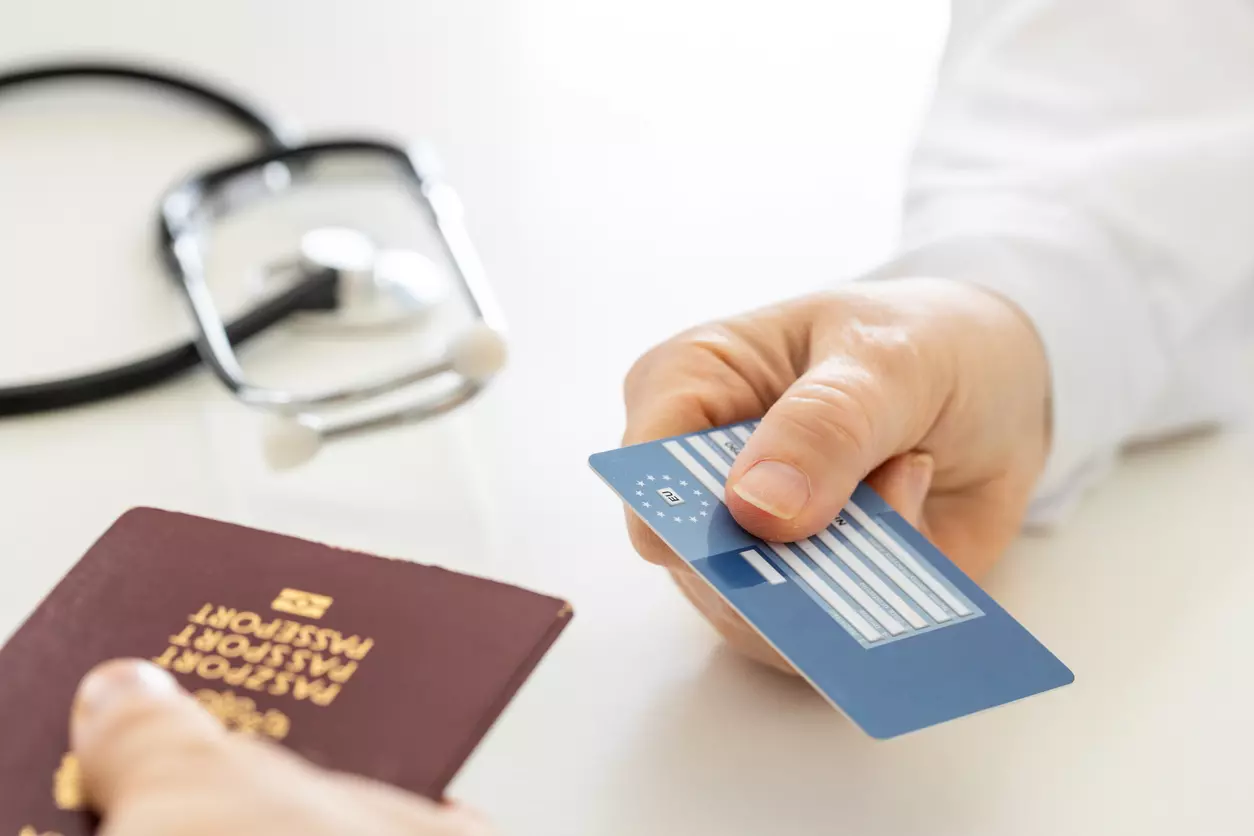
If you are an EU citizen travelling in another participating European country, you may be able to use the European Health Insurance Card (EHIC). In some cases, travellers may use the Global Health Insurance Card (GHIC) instead.
These cards can help you access medically necessary public healthcare. You should usually be treated under the same rules as local residents.
However, the EHIC and GHIC do not usually cover:
- Trip cancellation
- Lost, stolen, or delayed bags
- Private medical treatment
- Emergency medical evacuation
- Repatriation to your home country
- Extra hotel or transport costs caused by illness
This is why many travellers still buy travel insurance as well.
If You Are Travelling Visa-Free
Many people can visit parts of Europe without a Schengen visa for short trips.
In this case, travel insurance is usually not required by law. Still, it can help protect you if you face:
- A medical emergency
- Flight delays or cancellations
- Lost or stolen luggage
- Personal liability claims
- An unexpected trip interruption
Medical costs can be different from country to country. Private treatment or emergency transport can be expensive.
If You Are Studying, Working, or Staying Long Term
Students, temporary workers, digital nomads, and long-term visitors may need different insurance.
This depends on:
- The country you are moving to
- Your visa rules
- How long will you stay
- Local healthcare rules
Some visas require full medical insurance before approval. Other countries may ask you to join their healthcare system after you arrive. Always check the rules for your destination before you travel.
Who Needs Travel Insurance?
|
Traveller Type |
Is Travel Insurance Required? |
|
Schengen visa applicants |
Yes, it is required for the visa application |
|
EU citizens travelling in participating countries |
Not usually required by law, but recommended |
|
Visa-free visitors |
Usually optional, but recommended |
|
Students |
Depends on the visa and host country |
|
Business travellers |
Usually optional, but an employer may require it |
|
Digital nomads |
Depends on visa rules and length of stay |
|
Long-term visitors |
Often depends on visa or residency rules |
Even when travel insurance is not required, it can still be useful. It may help protect you from costs that public healthcare or normal health insurance does not cover.
Before you buy a policy, check the entry rules for your destination. Make sure the cover matches your trip.
What Does European Travel Insurance Usually Cover?
European travel insurance can help cover unexpected problems before or during your trip. What you get depends on the policy you choose.
Travel insurance does not cover every problem. It only covers the events listed in the policy. There may also be limits, rules, and exclusions.
Here are some common things travel insurance for Europe may cover.
Emergency Medical Expenses
Medical care abroad can be expensive, especially if you need hospital treatment or emergency care.
Travel insurance may cover:
- Emergency medical treatment
- Hospital stays
- Prescription medicine
- Medical tests
- Ambulance services, if needed
Always check the maximum amount the policy will pay.
Emergency Medical Evacuation and Repatriation
If you become seriously ill or injured, you may need to be moved to another hospital or brought back home for treatment.
A policy may cover:
- Emergency medical evacuation
- Air ambulance, if medically needed
- Repatriation after serious illness or injury
- Repatriation if someone dies abroad
These services can cost a lot without insurance.
Trip Cancellation and Trip Interruption
Travel insurance may help if you have to cancel your trip or come home early for a covered reason.
This may include:
- Serious illness or injury
- Death of a close family member
- Some unexpected emergencies
- Jury service or legal duties
- Natural disasters affecting your destination
The policy will explain which reasons are covered.
Lost, Stolen, or Delayed Baggage
Many policies help if your bags or personal items are:
- Lost
- Stolen
- Damaged by accident
- Delayed by the airline for a certain amount of time
Some policies may pay for basic items you need while waiting for delayed bags.
Expensive items, such as jewellery, phones, laptops, or sports equipment, may have lower claim limits.
Travel Delays
Delays can lead to extra costs, such as food, hotels, or transport.
A policy may pay compensation if your journey is delayed because of:
- Bad weather
- Airline problems
- Mechanical faults
- Public transport disruption
Most policies only pay after a delay has lasted a set number of hours.
Personal Liability
Personal liability cover may help if you accidentally injure someone or damage someone else’s property while travelling.
It may help pay legal costs or compensation. This depends on the policy limits and exclusions.
It usually does not cover intentional acts, illegal acts, or reckless behaviour.
Optional Cover
Some trips need extra cover. Many insurers let you add this for an extra cost.
Optional cover may include:
- Winter sports
- Cruises
- Adventure activities
- Golf equipment
- Business equipment
- Rental car excess
- Gadget cover
These add-ons usually have their own rules, limits, and exclusions.
What Is Usually Covered and Not Covered?
|
Usually Covered |
Optional Cover |
Usually Not Covered |
|
Emergency medical treatment |
Winter sports |
Undeclared existing medical conditions |
|
Hospital stays |
Cruise cover |
Claims linked to alcohol or drug misuse |
|
Emergency medical evacuation |
Adventure sports |
Illegal or reckless activities |
|
Medical repatriation |
Rental car excess |
Events you knew about before buying the policy |
|
Trip cancellation |
Business equipment |
Routine medical treatment |
|
Trip interruption |
Gadget cover |
Travelling against official advice, where this applies |
|
Lost or delayed baggage |
Golf equipment |
Items left unattended without reasonable care |
|
Travel delays |
High-value item extensions |
Cosmetic or elective medical treatment |
Before you buy a policy, read the policy wording carefully. Check what is included, what is not included, and whether you need any extra cover for your trip.
Do not choose by price alone. Compare the cover, limits, exclusions, and excess to make sure the policy fits your plans.
What Is Not Usually Covered by European Travel Insurance?
Travel insurance for Europe can help protect you from many unexpected costs. However, it does not cover everything.
Every policy has rules, limits, and exclusions. Exclusions are things the insurer will not usually pay for. Reading these before you travel can help you avoid problems if you need to make a claim.
Here are some things that are often not covered unless your policy clearly includes them.
Undeclared Pre-existing Medical Conditions
Many insurers ask about medical conditions before you buy cover.
If you do not tell them about a condition, they may refuse to pay for treatment linked to it later.
Examples may include:
- Heart disease
- Diabetes
- Cancer
- Breathing conditions
- Ongoing mental health conditions
Always answer medical questions honestly. Check if you need extra cover.
High-Risk or Adventure Activities
Standard travel insurance may not cover risky activities.
These can include:
- Skiing and snowboarding
- Mountaineering
- Rock climbing
- Scuba diving
- Paragliding
- White-water rafting
- Motorsport activities
If you plan to do these activities, you may need extra adventure or winter sports cover.
Alcohol or Drug-Related Incidents
Claims linked to too much alcohol or illegal drug use are often not covered.
For example, an insurer may reject a claim if you are injured while under the influence of alcohol or non-prescribed drugs.
Reckless or Illegal Behaviour
Travel insurance is for unexpected problems. It is not meant to cover losses caused by careless, illegal, or deliberate actions.
Claims may be refused if they involve:
- Criminal activity
- Intentional self-harm
- Breaking local laws
- Dangerous behaviour without taking reasonable care
Unattended or Unsecured Belongings
Many baggage claims are refused because items were left unattended or not kept safe.
Examples include:
- Leaving luggage in an unlocked car
- Leaving valuables alone in public places
- Not reporting theft to local police when required
Keep receipts where possible. Report theft or loss quickly.
Known Events Before Buying the Policy
Travel insurance is meant to cover unexpected events.
If you already knew about a problem before buying the policy, it may not be covered.
Examples may include:
- A planned medical procedure
- A strike announced before you bought cover
- A named storm is already forecast
- Travel restrictions already in place
Buying travel insurance soon after booking your trip may give you better protection for future unexpected events.
Routine or Non-Emergency Medical Care
Most travel insurance policies focus on emergency treatment.
They usually do not cover:
- Regular health checks
- Cosmetic treatment
- Planned medical treatment
- Non-urgent care
- Normal prescriptions not linked to an emergency
Claims Above Policy Limits
Even when something is covered, there is usually a maximum amount the insurer will pay.
For example, there may be:
- A baggage claim limit
- A lower limit for phones or laptops
- A medical expenses limit
- A cancellation claim limit
Check these limits before you travel. You may need extra cover for expensive items or higher-risk trips.
Common Exclusions at a Glance
|
Common Exclusion |
Why It May Not Be Covered |
|
Undeclared existing medical conditions |
You did not tell the insurer about the condition |
|
Adventure sports |
These often need extra cover |
|
Alcohol or drug-related incidents |
Claims may be refused if alcohol or drugs played a part |
|
Reckless or illegal behaviour |
Policies usually exclude unlawful or deliberate acts |
|
Unattended belongings |
Travellers are expected to take reasonable care of their items |
|
Routine medical treatment |
Travel insurance is mainly for emergencies |
|
Known events before purchase |
Insurance covers unexpected events, not known problems |
|
Claims above policy limits |
Payments are limited to the amounts in the policy |
Before buying European travel insurance, read the policy wording carefully. Check the exclusions, cover limits, excess, and optional extras.
This can help you choose a cover that matches your destination, activities, and personal needs.
How Much Does Travel Insurance for Europe Cost?
Insurers consider your trip, age, health, and the level of cover you need. These details help them decide how much you will pay.
The cheapest policy is not always the best choice. A cheaper
|
Factor |
How It May Affect the Price |
|
Traveller’s age |
Older travellers may pay more because they are more likely to make medical claims. |
|
Trip length |
Longer trips usually cost more to insure. |
|
Destination |
Some countries may cost more to cover because healthcare is more expensive there. |
|
Number of countries |
A trip to several countries may need wider cover. |
|
Level of medical cover |
Higher medical cover usually costs more. |
|
Trip value |
Expensive trips may need more cancellation cover. |
|
Planned activities |
Skiing, hiking, diving, cruises, or other activities may need extra cover. |
|
Existing medical conditions |
Medical conditions can affect the price and whether cover is offered. |
|
Policy type |
Annual cover may be better value if you travel often. |
|
Optional add-ons |
Extras such as gadget cover, car hire excess, or business equipment can cost more. |
policy may have lower cover limits, a higher excess, or more exclusions. It is better to compare what the policy includes, not just the price.
Factors That Affect the Cost of Travel InsuranceIs the Cheapest Policy the Best Option?
Not always.
A cheaper policy may have:
- Lower medical cover limits
- A higher excess
- Fewer covered events
- More exclusions
- Less baggage cover
- No cover for some activities
Instead of choosing only by price, check whether the policy gives you the cover you need.
What Should You Compare?
Before you buy travel insurance, compare:
- Medical cover limits
- Emergency medical evacuation and repatriation cover
- Trip cancellation and interruption cover
- Baggage and personal belongings limits
- Personal liability cover
- The excess you must pay if you claim
- Extra cover for sports or cruises
- Policy exclusions and conditions
- Countries included in the policy
Single-Trip vs Annual Travel Insurance
If you travel to Europe more than once a year, annual cover may cost less than buying a new policy for each trip.
|
Policy Type |
Suitable For |
Things to Know |
|
Single-trip insurance |
One holiday or business trip |
Covers one journey. It usually ends when you return home. |
|
Annual multi-trip insurance |
Frequent travellers |
Covers several trips in 12 months. Each trip may have a maximum length limit. |
Does More Expensive Mean Better?
Not always.
A higher price does not always mean better cover. Some policies include extras you may not need. Others may give strong cover at a fair price.
Before choosing, check:
- Cover limits
- Exclusions
- Excess amounts
- Optional add-ons
- Destination rules
- Emergency help services
Choose a policy based on your trip, not price alone. This can help you get the right protection while travelling in Europe.
Types of Travel Insurance for Europe
Not all European travel insurance policies are the same. The right one depends on how often you travel, where you are going, how long you will be away, and what you plan to do.
Choosing the right type of policy can help you get the cover you need without paying for extras you may not use.
|
Policy Type |
Best For |
Key Features |
|
Single-trip insurance |
One holiday or business trip |
Covers one trip from the day you leave until you return home. |
|
Annual multi-trip insurance |
People who travel often |
Covers several trips over 12 months. Each trip has a maximum length. |
|
Family travel insurance |
Families travelling together |
Covers eligible family members under one policy. |
|
Student travel insurance |
Students studying or travelling abroad |
May cover longer stays and personal belongings. |
|
Business travel insurance |
Work trips |
May cover work equipment, documents, and business travel problems. |
|
Backpacker insurance |
Long trips across several countries |
Made for longer journeys with flexible travel plans. |
|
Winter sports insurance |
Skiing or snowboarding holidays |
May cover ski equipment, piste closure, and winter sports injuries. |
|
Cruise travel insurance |
Cruise holidays |
May cover missed departures, cabin confinement, and cruise-related medical emergencies. |
Single-Trip Travel Insurance
Single-trip insurance is a good choice if you are taking one holiday or business trip to Europe.
It covers one journey from the day you leave home until you return.
It may suit people who:
- Take one holiday each year
- Are visiting Europe for a short trip
- Do not plan to travel again soon
Annual Multi-Trip Insurance
If you travel to Europe several times a year, annual multi-trip insurance may save you time and money.
These policies usually:
- Cover several trips over 12 months
- Mean you do not need to buy a new policy before every trip
- Have a maximum length for each trip, such as 30, 45, or 60 days
Always check the maximum trip length before you buy.
Family Travel Insurance
Family travel insurance lets eligible family members travel under one policy.
Depending on the insurer, this may include:
- Parents or legal guardians
- Dependent children
- Sometimes grandparents or other relatives travelling together
Who can be included depends on the insurer's rules.
Student Travel Insurance
Student travel insurance is for people travelling to Europe to study or join an exchange programme.
It may include:
- Cover for longer trips
- Personal belongings cover
- Laptop or study equipment cover
- Emergency medical treatment
Some student visas also require travel or medical insurance.
Business Travel Insurance
Business travel insurance is made for work trips.
It may cover:
- Business laptops and equipment
- Important work documents
- Delayed business travel
- Other business-related costs, depending on the policy
Check whether your work equipment is included or if you need extra cover.
Backpacker Insurance
Backpacker insurance is designed for people taking longer trips around Europe.
It may include:
- Longer trip limits
- Flexible return dates
- Cover for several countries
- Optional cover for adventure activities
It can be a good choice for gap years, Interrail trips, or long holidays.
Winter Sports Insurance
Standard travel insurance does not always cover winter sports.
If you plan to ski or snowboard, you may need extra winter sports cover.
This may include:
- Ski equipment
- Equipment hire
- Ski pass costs
- Avalanche delays
- Piste closures
- Medical treatment for winter sports injuries
Cruise Travel Insurance
Cruises can involve risks not covered by standard travel insurance.
Cruise travel insurance may include:
- Missed cruise departures
- Cabin confinement
- Emergency medical evacuation from the ship
- Changes to your cruise itinerary
- Missed ports because of bad weather
If your trip includes a cruise, check whether this cover is included or available as an extra.
Which Type of Travel Insurance Is Right for You?
The best policy depends on:
- How often do you travel
- How long is your trip
- Whether you are visiting one country or several
- The activities you plan to do
- Your budget
- Any visa or entry rules
Before you buy, compare the cover, limits, exclusions, and optional extras. This will help you choose a policy that fits your trip, rather than simply picking the cheapest one.
How to Choose the Best Travel Insurance for Europe
Choosing the best travel insurance for Europe can feel confusing because there are many policies to compare. The cheapest policy is not always the best one. The best choice is the policy that fits your trip.
A short city break may need different cover from a long backpacking trip or a skiing holiday. Before you buy, read the policy carefully so you know what is included.
1. Check the Medical Cover
Medical cover is one of the most important parts of travel insurance.
Check if the policy includes:
- Emergency medical treatment
- Hospital treatment
- Outpatient treatment, if included
- Emergency medical evacuation
- Repatriation to your home country
If you need a Schengen visa, make sure the policy meets the minimum medical cover rules.
2. Understand the Exclusions
Every policy has exclusions. These are things the insurer will not usually pay for.
Check for:
- Activities that are not covered
- Medical conditions you must declare
- Baggage claim rules
- Cancellation exclusions
- Countries or areas not included
Knowing the exclusions can help you avoid problems if you need to make a claim.
3. Think About Your Planned Activities
Standard travel insurance may not cover every activity.
You may need extra cover if you plan to do things like:
- Skiing
- Snowboarding
- High-altitude hiking
- Scuba diving
- Cycling events
- Cruises
Always check before you travel.
4. Compare Cover Limits, Not Just Price
A cheaper policy may not give enough protection.
Compare:
- Medical cover limits
- Cancellation cover limits
- Baggage cover limits
- Personal liability cover
- Excess for each claim
- Emergency help services
Good value means getting the right cover for your trip, not just paying the lowest price.
5. Check Which Countries Are Covered
Not every policy covers every European country.
Before you buy, check that all the countries on your trip are included. This is important if you are visiting both Schengen and non-Schengen countries.
If you are travelling through several countries, make sure your cover lasts for the full journey.
6. Declare Any Existing Medical Conditions
If you have an existing medical condition, you may need to tell the insurer when you apply.
If you do not declare it, your claim could be refused later.
Answer all medical questions honestly. Check whether you need extra medical screening or specialist cover.
7. Review the Excess
The excess is the amount you pay towards a claim.
For example, if your excess is €100 and your approved claim is €600, you may receive €500.
Some cheaper policies have higher excess amounts. Compare both the price and the excess before making a choice.
Travel Insurance Comparison Checklist
Use this checklist when comparing policies.
|
Feature |
Why It Matters |
|
Medical expenses |
Helps cover emergency treatment and hospital costs abroad. |
|
Emergency evacuation |
Covers transport to a suitable medical facility if needed. |
|
Repatriation |
May cover the cost of bringing you home after serious illness or injury. |
|
Trip cancellation |
Helps recover eligible costs if your trip cannot go ahead for a covered reason. |
|
Trip interruption |
Helps if your trip is unexpectedly cut short. |
|
Lost or delayed baggage |
Helps cover lost items or basic replacements. |
|
Personal liability |
May help if you accidentally injure someone or damage their property. |
|
Destination cover |
Make sure every country on your trip is included. |
|
Sports and activity cover |
Important for skiing, hiking, diving, or other higher-risk activities. |
|
Excess |
Shows how much you pay towards an approved claim. |
|
Emergency help |
Gives you support if something goes wrong while travelling. |
Common Mistakes to Avoid When Buying Travel Insurance for Europe
Buying travel insurance for Europe may seem easy, but it is important to choose the right policy. If you miss important details, you could find out you are not covered when you need to make a claim.
Here are some common mistakes to avoid.
1. Choosing the Cheapest Policy
The cheapest policy is not always the best.
A low-cost policy may have:
- Lower medical cover
- A higher excess
- More exclusions
- Less cancellation cover
- Lower baggage limits
Do not look at the price alone. Compare what each policy includes.
2. Not Reading the Exclusions
Every policy has exclusions. These explain what the insurer will not pay for.
Before you buy, check:
- Activities that are not covered
- Medical exclusions
- Countries that are not covered
- Claim rules
- Cover limits
Reading the policy carefully can help you avoid surprises later.
3. Not Declaring Existing Medical Conditions
If the insurer asks about your health, answer honestly.
If you do not tell them about an existing medical condition, they may refuse your claim if it is linked to that condition.
4. Assuming Adventure Activities Are Covered
Many people think activities like skiing or scuba diving are included as standard.
This is not always true.
You may need extra cover for activities such as:
- Skiing
- Snowboarding
- Scuba diving
- Mountain hiking
Always check before you travel.
5. Thinking the EHIC or GHIC Is Enough
The EHIC or GHIC can help with some public healthcare costs, but they do not replace travel insurance.
They do not usually cover:
- Trip cancellation
- Lost luggage
- Emergency transport home
- Travel delays
- Personal liability
Travel insurance can help cover these extra costs.
6. Not Covering Valuable Items
If you are taking expensive belongings, such as a laptop, camera, jewellery, or sports equipment, check the baggage limits.
Some insurers ask you to add valuable items separately for full cover.
7. Buying Insurance Too Late
Many people wait until just before they travel to buy insurance.
Buying your policy soon after booking your trip may protect you if you need to cancel for a covered reason before you leave.
8. Assuming Every European Country Is Covered
Not every policy covers every country in Europe.
Before you buy, make sure every country on your trip is included. This is especially important if you are visiting both Schengen and non-Schengen countries.
9. Ignoring the Excess
The excess is the amount you pay towards a claim.
A policy with a low price may have a high excess. This means you could receive less money if you make a claim.
Always compare both the premium and the excess.
10. Not Checking the Maximum Trip Length
If you choose annual multi-trip insurance, check how many days each trip can last.
If your trip exceeds the limit, your insurance may no longer cover you.
Quick Checklist Before You Buy
Before buying travel insurance for Europe, ask yourself:
- Does the policy cover every country I am visiting?
- Is the medical cover high enough?
- Have I declared any existing medical conditions?
- Are my planned activities covered?
- Have I read the exclusions?
- Is the excess affordable?
- Are my valuable items covered?
- Have I checked the cancellation and baggage limits?
- Does the policy meet any visa requirements?
Taking a little time to compare policies can help you choose the right cover for your trip. It can also reduce the risk of unexpected problems if you need to make a claim while travelling.
Are There Any European Travel Insurance Providers Worth Knowing?
If you are looking for travel insurance for Europe, you will find many insurers and online insurance platforms. Some work in several European countries. Others focus on certain travellers or local markets.
There is no single best provider for everyone. The right policy depends on where you are going, your travel plans, your health, your budget, and the level of cover you need.
The providers below are listed for general information only. This is not a recommendation, ranking, or endorsement.
|
Provider |
Overview |
|
Feather |
A Germany-based online insurance platform. It offers insurance products for expats, international residents, and travellers in Europe. It also shares information about Schengen visa insurance rules. |
|
Allianz |
A large international insurance group. It offers travel insurance in many European countries through local branches and partners. |
|
AXA |
Offers travel insurance in several European markets. Some policies may meet Schengen visa insurance rules. |
|
Europ Assistance |
A European assistance company. It offers travel insurance and emergency support services in different countries. |
|
ERV (European Travel Insurance) |
A travel insurance provider in several European markets. It offers policies for holidays and business travel. |
How to Compare Insurance Providers
Do not choose a provider just because you know the brand name. Compare the policy details carefully.
Check:
- Medical cover limits
- Emergency medical evacuation and repatriation
- Trip cancellation and interruption cover
- Baggage and personal belongings cover
- Personal liability cover
- Policy exclusions
- Excess amount
- Countries included
- Extra cover for activities, such as skiing or cruises
- Claims process and customer support
Different insurers may offer several policies. One provider may have basic and higher-cover options, so always compare the exact policy, not just the company name.
Questions to Ask Before Buying
Before buying a policy, ask yourself:
- Does the policy cover every country I am visiting?
- Does it meet any visa or entry rules?
- Are my planned activities included?
- Have I declared any existing medical conditions?
- Are the cover limits suitable for my trip?
- What exclusions apply?
- What excess will I pay if I make a claim?
Information, Not a Recommendation
This guide explains how European travel insurance works and what to check before buying a policy. It does not recommend or rank insurance companies.
Before you buy travel insurance, read the policy wording carefully. Compare the benefits, exclusions, and limits. Make sure the cover fits your trip and personal needs.
If you don't have travel insurance and need medical advice while you're in Europe, Mobi Doctor may be able to help. You can book an online consultation with a licensed doctor for a wide range of non-emergency health concerns. If you need treatment, the doctor can advise you on the next steps and, where appropriate, issue a prescription in line with local regulations. For serious illnesses or medical emergencies, always contact the local emergency services or visit the nearest hospital.