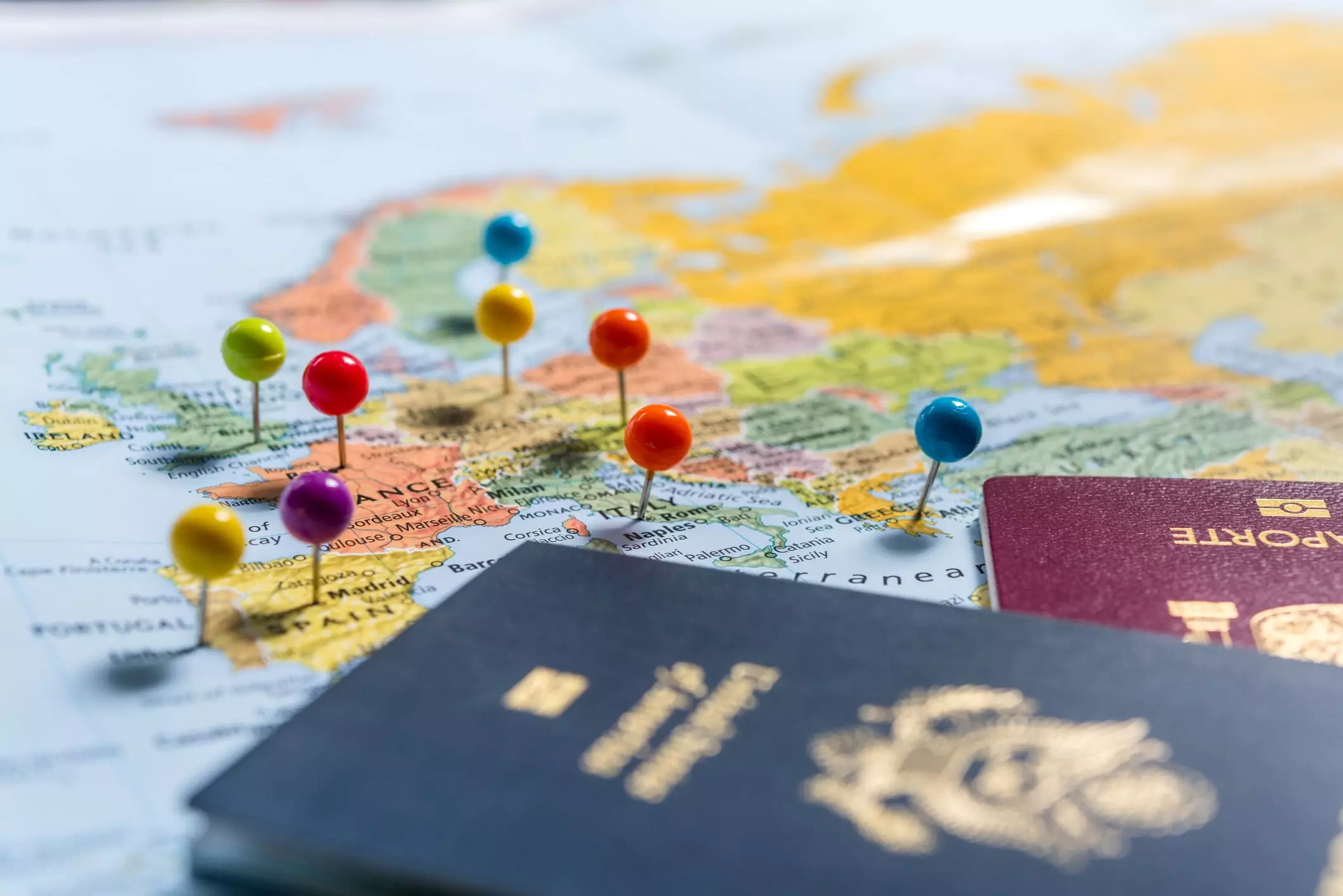
Europe is one of the most popular places to visit in the world. Every year, hundreds of millions of people travel there. Famous places like Paris, Porto, Ibiza or Barcelona attract huge numbers of tourists. Tourism helps local economies, but too many visitors can also cause problems.
Overtourism occurs when a place receives more visitors than it can comfortably accommodate. People often talk about how overtourism harms the environment, raises housing costs, and affects local people. But there is another important issue that gets less attention: how it can affect travellers’ health.
When popular places become too crowded, visitors may face health problems. They may have to stand in long queues in very hot weather, use crowded public transport, visit packed attractions, deal with travel delays, or be around more people who may be ill. All of this can affect physical health. Crowded tourist areas can also make people feel stressed, tired, anxious, and less able to enjoy their holiday.
The link between overtourism and health is becoming more important as Europe has hotter summers and more heatwaves. In many popular destinations, travellers now have to deal with both extreme heat and large crowds. This can increase the risk of dehydration, heat exhaustion, and travel stress.
Understanding the health risks linked to overtourism can help travellers make better choices. It can also help them protect their well-being and enjoy a safer, more comfortable trip while visiting some of Europe’s busiest destinations.
Health Risks Associated With Overtourism
|
Overtourism Issue |
Potential Health Impact |
|---|---|
|
Long queues in hot weather |
Heat exhaustion and dehydration |
|
Crowded public transport |
Increased exposure to infectious illnesses |
|
Overcrowded attractions |
Physical fatigue and travel stress |
|
Busy city centres |
Anxiety, frustration, and mental fatigue |
|
Limited access to shade |
Increased heat-related illness risk |
|
Delays and overcrowding |
Increased travel stress |
|
Pressure on healthcare services |
Longer waiting times for treatment |
|
High visitor numbers during heatwaves |
Increased risk of heatstroke and exhaustion |
What Is Overtourism and Why Is It Growing Across Europe?
Overtourism happens when too many people visit a place at the same time. This can cause problems for local people, roads, public transport, the environment, and tourists themselves. Tourism is important to many places in Europe, but some destinations are now struggling to manage visitor numbers.
Overtourism has become more noticeable in recent years. After travel restrictions ended, many people started travelling again. Popular cities, beaches, and islands in Europe quickly became busy, especially during peak holiday seasons.
Several factors are driving overtourism across Europe.
The Rise of Social Media-Driven Travel
Social media has changed the way people choose where to travel. Viral videos, influencer posts, and travel recommendations often send many tourists to the same famous places.
This means that some landmarks, beaches, viewpoints, and old town areas can suddenly become very crowded, especially in summer. When too many people visit the same places, it puts pressure on transport, public services, and local facilities.
Affordable Travel and Short City Breaks
Low-cost airlines and better transport links have made it easier and cheaper to travel around Europe. Many people now take weekend trips and short city breaks.
This is good for tourism businesses, but it also means busy cities can become even more crowded. Some places that used to be busy only in summer now have large numbers of visitors for much of the year.
Growth in Cruise Tourism
Cruise tourism is another reason why some European destinations are overcrowded. Places like Venice, Dubrovnik, and Santorini can receive thousands of visitors in just a few hours when cruise ships arrive.
This sudden arrival of people can make public transport, streets, restaurants, healthcare services, and emergency services very busy. For travellers, it can mean longer queues, packed attractions, and more stress.
Climate and Seasonal Travel Patterns
Most people still visit Europe during the warmer months. Summer holidays, school breaks, and good weather mean that many tourists travel between June and September.
At the same time, climate change is making many European destinations hotter in summer. Large crowds and high temperatures can pose health risks to both local residents and visitors.
Destinations Most Commonly Associated with Overtourism
|
Destination |
Main Tourism Pressure |
Peak Season |
|
Venice, Italy |
Cruise tourism and day visitors |
Summer |
|
Barcelona, Spain |
City tourism and short stays |
Summer |
|
Santorini, Greece |
Cruise arrivals and summer demand |
Summer |
|
Dubrovnik, Croatia |
Crowded historic centre |
Summer |
|
Amsterdam, Netherlands |
City break tourism |
Spring to Summer |
Overtourism is often talked about as an environmental or economic problem. But it can also affect health. More visitors can increase the risk of heat illness, tiredness, stress, poor sleep, and exposure to infectious illnesses.
How Crowded Tourist Destinations Can Affect Physical Health
Many travellers think crowded attractions are just annoying. But very busy places can also affect physical health, especially during peak travel seasons. This is when there are more visitors, hotter weather, and longer sightseeing days.
Overtourism can put extra pressure on the body. Long queues, hot weather, crowded streets, and too much walking can all increase the chance of health problems during a trip.
Greater Risk of Heat Exhaustion and Dehydration
One of the biggest health risks linked to overtourism is heat. In summer, travellers in popular European destinations may spend a long time standing in queues for attractions, public transport, or tourist services.
Many old city centres were not built for such large crowds. This means crowded areas may have little shade, few seats, and limited places to cool down. Visitors may spend hours walking through busy streets, carrying bags, moving through crowds, and waiting outside in direct sunlight.
This can be even harder during heatwaves, which are becoming more common in many parts of Europe. Hot weather and lots of walking can increase the risk of dehydration, heat exhaustion, and heat stress. Older travellers and people with health conditions may be at higher risk.
Common warning signs include:
- Sweating a lot
- Feeling dizzy or light-headed
- Headaches
- Feeling very tired
- Feeling sick
- Muscle cramps
Ignoring these symptoms can lead to more serious heat-related illness and may require medical help.
Increased Risk of Minor Injuries
Crowded tourist areas can also increase the likelihood of accidents and minor injuries. Busy streets, packed transport stations, and crowded public spaces can increase the risk of slips, trips, and falls.
Travellers may be walking in unfamiliar places while carrying luggage, checking their phones for directions, or trying to move through large crowds. In very busy areas, it can be harder to see clearly and move safely. This can increase the chance of bumping into people or missing a step.
Common risks include:
- Tripping on uneven pavements or old streets
- Falling on crowded stairs or viewing platforms
- Bumping into people in busy walking areas
- Getting hurt while rushing to catch a transport
Many of these injuries are minor, but they can still disrupt travel plans and may need treatment at a local healthcare centre.
Physical Fatigue from Overcrowded Itineraries
Overtourism can make travellers feel they need to rush. Some people try to avoid queues or fit too many activities into one day. This can be tiring, especially in cities where attractions are far apart.
Many visitors do not realise how tiring sightseeing can be. In popular European cities, travellers may walk 15,000 to 25,000 steps a day during peak season. When this is combined with heat, limited rest, and crowded places, it can lead to serious tiredness.
Physical exhaustion may lead to:
- Poor concentration
- Slower reactions
- Higher risk of accidents
- Sore muscles
- Poor sleep
Travellers who feel tired at the start of a holiday may also feel more stressed, become unwell more easily, and enjoy their trip less.
Limited Opportunities for Rest and Recovery
In very busy destinations, it can be hard to find quiet places to rest. Public seating, cafes, beaches, and transport hubs may be crowded, leaving visitors few opportunities to recover between activities.
Without enough rest, the body may find it harder to deal with heat, walking, and travel stress. Over several days, this can make travellers more likely to feel unwell and less able to enjoy their holiday.
Overtourism is often linked with crowded streets and long waiting times. But its effects on physical health should not be ignored. Heat, excessive walking, crowded areas, and insufficient rest can cause real health problems for travellers visiting Europe’s busiest destinations.
Overtourism and the Spread of Infectious Illnesses
Crowded tourist places do not always make people ill. But they can make it easier for infections to spread. When lots of people are close together in busy spaces, viruses and germs have more chances to pass from one person to another.
Busy airports, public transport, cruise terminals, and popular attractions can all increase the risk of exposure to common travel illnesses, especially during peak holiday times.
Higher Exposure in Crowded Tourist Environments
Many of Europe’s most popular destinations become very crowded in summer. Travellers may spend hours in busy airports, packed train stations, crowded museums, and famous landmarks, where it is hard to avoid close contact with others.
In these places, respiratory infections can spread through coughs, sneezes, and shared surfaces. Germs may also be found on ticket machines, handrails, lift buttons, and public seats, especially when many people are using them.
The risk can be higher on long travel days. A traveller may use airports, buses, trains, ferries, and crowded attractions all in one day. This increases the chances of coming into contact with germs.
Common Illnesses Travellers May Encounter
Most travel-related illnesses are mild, but they can still ruin part of a holiday and may lead to extra medical costs.
Some common illnesses linked to crowded travel areas include:
- Colds and seasonal flu
- COVID-19 and other respiratory viruses
- Stomach infections caused by viruses or bacteria
- Norovirus in crowded places
- Food poisoning from busy restaurants or food venues
Symptoms can be mild, but some people may develop a fever, severe dehydration, or stomach problems that require medical attention.
Travellers who are already tired, dehydrated, or stressed may be more likely to feel unwell because their bodies are under extra pressure.
Cruise Tourism and Outbreak Risks
Cruise tourism can create special health risks. Modern cruise ships can carry thousands of passengers and crew. This means many people are living, eating, and relaxing close together.
Shared dining areas, entertainment spaces, pools, and cabins can make it easier for illness to spread. Cruise companies usually have hygiene rules, but stomach illnesses such as norovirus can still happen.
When several cruise ships arrive at the same place on the same day, local healthcare centres and pharmacies may also become busier due to the sudden influx of visitors.
Festivals, Events and Seasonal Gatherings
Many European destinations hold large festivals, cultural events, and seasonal celebrations. These events can be enjoyable and good for local communities, but they can also bring large crowds together.
Things that may help infections spread include:
- Very crowded spaces
- Shared toilets and facilities
- Few places to wash hands
- Long periods indoors or in enclosed spaces
- Visitors travelling from many countries and regions
Travellers going to major events should take care with hygiene and look after their health, especially when visitor numbers are high.
Common Health Risks in Crowded Tourist Settings
|
Tourist Setting |
Potential Health Risk |
|
Airports and terminals |
Respiratory infections |
|
Cruise ships |
Stomach illness outbreaks |
|
Public transport |
Viruses spread through close contact |
|
Festivals and events |
Respiratory illness and dehydration |
|
Tourist attractions |
Exposure to crowds and shared surfaces |
|
Busy restaurants and food markets |
Food poisoning risks |
Reducing Your Risk While Travelling
It is not possible to eliminate all health risks during travel. But simple steps can lower your chance of becoming ill.
Practical steps include:
- Washing your hands often
- Carrying alcohol-based hand sanitiser
- Drinking enough water
- Avoiding travel when you feel unwell
- Covering coughs and sneezes
- Making time to rest and recover
As more people visit Europe’s most popular destinations, it is important to understand how crowded places can affect health. This can help travellers make better choices and protect their well-being during their trip.
Travel Stress, Anxiety and Mental Fatigue in Overcrowded Destinations
Many people think holidays are a time to relax, explore, and take a break from daily life. But when places become too crowded, travel can quickly become tiring and stressful. People often talk about how overtourism affects local communities and services, but it can also affect visitors’ mental well-being.
Long queues, crowded attractions, transport delays, and busy streets can all lead to stress, anxiety, and mental tiredness. This can turn a holiday into a frustrating experience.
The Psychological Impact of Overcrowding
People usually need some personal space to feel comfortable. In very busy tourist places, that space can disappear quickly. Visitors may be surrounded by crowds while sightseeing, using public transport, eating out, or waiting to enter attractions.
Being around crowds all day can feel overwhelming. Noise from traffic, tour groups, street performers, and busy public areas can also make people feel more tired mentally. This may be harder for travellers who are sensitive to noise or large crowds.
Common effects of overcrowding include:
- Feeling more annoyed
- Finding it hard to concentrate
- Feeling mentally tired
- Feeling anxious
- Enjoying activities less
For some travellers, especially those who prefer slower trips, crowds can make a destination feel much less enjoyable.
Delays, Queues and Travel Frustration
One of the biggest problems with overtourism is waiting. Travellers may spend a lot of their holiday standing in queues for attractions, transport, restaurants, or hotel check-ins.
Many visitors plan their trips carefully. But crowds can make it hard to do everything they hoped to do. Missed bookings, delayed transport, and full attractions can add more stress.
Common frustrations include:
- Waiting hours to enter famous landmarks
- Delays at airports and security checks
- Crowded trains and buses
- Trouble getting restaurant bookings
- Last-minute accommodation problems
One small delay may not seem serious. But many delays during the same trip can affect mental well-being.
When Travel Stops Feeling Like a Holiday
Many travellers feel pressure to make the most of every moment. Social media, travel guides, and packed plans can make people feel they must see everything.
In crowded places, visitors may rush between attractions, keep checking times, and compete for space at popular sites. Instead of feeling relaxed, they may feel the same pressure they feel in everyday life.
This is sometimes called travel burnout. It means feeling physically and mentally exhausted because of too much activity, too much stimulation, and not enough rest during a trip.
Signs of travel burnout may include:
- Feeling tired all the time
- Trouble sleeping
- Changes in mood
- Less interest in activities
- Feeling overwhelmed by planning
When travel burnout sets in, people may struggle to enjoy the things they were excited about for months.
The Link Between Stress and Physical Symptoms
Mental and physical health are closely connected. High stress during travel can cause physical symptoms that affect comfort and well-being.
Some travellers may experience:
- Tension headaches
- Tight muscles
- Digestive discomfort
- Loss of appetite
- Sleep problems
- More tiredness
Poor sleep can make this worse. Noisy hotels, busy nightlife areas, and crowded transport hubs can make it harder to rest. This can increase stress and exhaustion.
Why Mental Wellbeing Matters When Travelling
A good holiday is not only about visiting famous places. It is also about feeling comfortable, rested, and able to enjoy the experience. When overtourism creates crowds and pressure, mental well-being can suffer, even if a person does not become physically ill.
Travellers who understand the psychological effects of crowded destinations can better prepare. Flexible plans, time for rest, and visiting attractions during quieter times can help reduce stress and make the trip more enjoyable.
As overtourism continues to affect many of Europe’s most popular destinations, protecting mental well-being is becoming just as important as protecting physical health.
How Heatwaves and Overtourism Create a Dangerous Combination
Europe is having more frequent and more intense heatwaves, especially in southern and Mediterranean areas. At the same time, many of these places attract millions of visitors during the hottest months of the year. This mix of high heat and crowded tourist areas can create serious health risks.
Heat can be dangerous on its own. But overcrowding can make it worse. Crowds can make it harder to find shade, rest, drink water, or get to a cooler place.
Why Crowded Destinations Increase Heat Exposure
Popular tourist attractions are often found in old city centres, coastal walking areas, historic sites, and public squares. During peak season, these places can become extremely crowded. This may force visitors to stand in direct sunlight for long periods.
Long queues are a common problem. Travellers may wait for hours to enter famous attractions, use transport, or visit popular viewpoints. Many waiting areas have little or no shade.
Crowded conditions can also make it harder to:
- Find shade
- Get drinking water
- Take breaks in air-conditioned places
- Move quickly to cooler areas
- Change plans when temperatures become too high
As the day gets hotter, the body has to work harder to stay cool, especially when people are walking a lot.
The Impact of Heat on Travellers
Sightseeing often involves a lot of walking, climbing stairs, carrying bags, and finding your way around new places. These activities can raise body temperature and cause fluid loss.
When travellers become dehydrated, their bodies cannot cool down as well. This can lead to heat-related illnesses, from mild symptoms to serious medical emergencies.
Common heat-related conditions include:
Dehydration
This happens when the body loses more fluid than it takes in. Symptoms may include thirst, dizziness, tiredness, dry mouth, and headaches.
Heat Exhaustion
This happens when the body becomes too hot and struggles to cool itself. Symptoms can include heavy sweating, weakness, feeling sick, muscle cramps, and feeling light-headed.
Heatstroke
This is a medical emergency. It happens when the body can no longer control its temperature. Symptoms may include confusion, fainting, seizures, and a very high body temperature. Medical help is needed straight away.
Who Is Most Vulnerable?
Heat can affect anyone, but some people are more at risk during hot weather and crowded travel conditions.
These include:
- Older adults
- People with heart disease
- People with breathing conditions
- Travellers with diabetes
- Pregnant women
- Young adults doing strenuous activities
- People taking medicines that affect hydration or body temperature
Travellers with existing health conditions should be extra careful when visiting places with both heatwaves and large crowds.
Heat-Related Warning Signs Travellers Should Know
|
Symptom |
Possible Concern |
|
Sweating a lot |
Early heat exhaustion |
|
Dizziness or feeling faint |
Dehydration or heat stress |
|
A headache that does not stop |
Heat-related illness |
|
Feeling sick or vomiting |
Heat exhaustion |
|
Muscle cramps |
Fluid and salt loss |
|
Fast heartbeat |
Heat stress |
|
Confusion or disorientation |
Possible heatstroke |
|
Loss of consciousness |
Medical emergency |
Spotting symptoms early can help prevent more serious health problems.
Practical Steps to Stay Safe During Heatwaves
Travellers visiting busy European destinations in summer should take extra care when temperatures rise.
Helpful steps include:
- Planning outdoor activities for early morning or later in the evening
- Drinking water often, even before feeling thirsty
- Wearing light, breathable clothing
- Using sunscreen and wearing a hat
- Taking regular breaks in shaded or air-conditioned places
- Checking local weather alerts and heat warnings
- Changing travel plans during extreme heat
Why This Issue Is Becoming More Important
Heatwaves and overtourism are no longer separate problems. In many parts of Europe, they now happen at the same time during the busiest travel months. As popular destinations face rising visitor numbers and hotter weather, travellers may face greater health risks than in the past.
Understanding how heat and overcrowding work together can help visitors make safer choices. It can also reduce the risk of heat illness and help travellers enjoy a more comfortable trip, even in Europe’s busiest destinations.
Can Overtourism Affect Access to Healthcare Abroad?
When planning a holiday, most travellers think about flights, hotels, and places to visit. Healthcare is often not considered unless someone becomes ill. But in some of Europe’s busiest tourist areas, too many visitors can put extra pressure on local healthcare services. This may affect how quickly travellers get medical help.
Healthcare in Europe is generally good. However, large numbers of tourists during peak seasons can make hospitals, clinics, pharmacies, and emergency services much busier.
Increased Demand During Peak Travel Seasons
Many beach resorts, islands, and historic cities become much busier in summer. In some places, there may be several times as many visitors as local residents during peak season.
This can increase demand for healthcare services, such as:
- Emergency care for injuries and accidents
- Treatment for heat-related illness
- Help with infections and stomach illnesses
- Prescription medicine requests
- Minor injury and urgent care services
Because of this, healthcare workers may have more patients to deal with, especially during heatwaves or major tourist events.
Longer Waiting Times for Non-Urgent Care
In very busy destinations, travellers who need non-emergency medical help may wait longer than expected. Walk-in clinics, urgent care centres, and pharmacies can become especially busy during peak holiday times.
Common health problems that may need care while travelling include:
- Ear infections
- Urinary tract infections
- Allergic reactions
- Skin problems
- Minor injuries
- Stomach illnesses
These problems are usually not life-threatening. But waiting for treatment can be uncomfortable and may disrupt travel plans.
Challenges in Island and Remote Tourist Destinations
Some of Europe’s most popular tourist places are on islands or in remote coastal areas. These places may have fewer healthcare services than large cities.
During peak season, local clinics and hospitals may need to care for both residents and many visitors. This can put extra pressure on services, especially during bad weather, travel delays, or large events.
Travellers visiting smaller destinations should know that specialist medical care may not always be nearby. In some cases, they may need to travel to a larger healthcare centre.
Access to Pharmacies and Essential Medications
Overtourism can also affect pharmacies. During busy travel periods, pharmacies may have more people asking for common medicines and health products.
Travellers may sometimes have trouble:
- Replacing lost medicines
- Getting over-the-counter treatments
- Filling prescriptions
- Finding the same medicine brands they use at home
This is why it is important to bring enough essential medicine for the whole trip.
How Travellers Can Prepare
Healthcare problems caused by overtourism do not happen everywhere. But planning ahead can help if medical care is needed.
Before travelling, consider:
- Checking where nearby healthcare centres are
- Finding pharmacies and urgent care centres near your accommodation
- Bring enough prescription medicine for the full trip
- Keeping a copy of important medical information
- Getting suitable travel insurance
- Knowing the local emergency phone numbers
Why Healthcare Planning Matters
Most holidays happen without serious health problems. But illness, injury, or heat-related symptoms can happen at any time, especially in crowded destinations during peak travel periods.
As overtourism puts pressure on some of Europe’s busiest places, healthcare planning should be part of travel preparation. Knowing where to get help and understanding possible delays can make a big difference if medical care is needed abroad.
Practical Ways to Protect Your Health in Crowded European Destinations
Travellers cannot control how busy popular places become. But they can take simple steps to reduce many of the health risks associated with overtourism. Good planning, realistic expectations, and basic health habits can help protect both physical and mental wellbeing during a trip.
Whether you are visiting a famous city, a busy beach resort, or a popular landmark, looking after your health can help make your journey safer and more enjoyable.
Travel During Less Crowded Times Whenever Possible
One of the best ways to reduce health risks is to avoid the busiest times of day.
Many popular attractions are most crowded from late morning to mid-afternoon. Visiting early in the morning or later in the evening can help travellers avoid large crowds, spend less time waiting, and reduce exposure to strong heat.
If possible, consider travelling in spring or autumn. These seasons are often less crowded, and the weather may be more comfortable.
Stay Hydrated Throughout the Day
Dehydration is a common health problem during busy sightseeing days, especially in warm weather.
Many people do not realise how much fluid they lose from walking, being in the sun, and staying active. Waiting until you feel thirsty can mean you are already mildly dehydrated.
To stay hydrated:
- Carry a reusable water bottle
- Drink fluids regularly throughout the day
- Drink more water in hot weather
- Avoid too much alcohol in high temperatures
- Use public water refill stations where possible
Good hydration supports energy, focus, and body temperature regulation.
Monitor Local Weather and Heat Alerts
The weather can change quickly, especially in summer. Before going out each day, check the local weather forecast and any official heat warnings.
If very hot weather is expected:
- Do fewer outdoor activities during the hottest hours
- Look for shade whenever possible
- Take more rest breaks
- Visit indoor attractions during peak heat
Changing plans because of the weather can help lower the risk of heat-related illness.
Build Rest Time Into Your Itinerary
Many travellers try to see too much in a short time. This is understandable, but a packed schedule can lead to tiredness, stress, and less enjoyment.
Rest time helps the body recover and supports mental well-being.
Consider:
- Taking regular breaks between attractions
- Planning slower days
- Spending time in parks or quieter areas
- Going back to your accommodation for a short rest during hot afternoons
A calmer plan often makes the whole trip more enjoyable.
Protect Yourself From Common Travel Illnesses
Crowded places can increase exposure to colds, stomach bugs, and other infections. Good hygiene is one of the easiest ways to reduce risk.
Helpful steps include:
- Washing your hands often
- Carrying hand sanitiser
- Avoid touching your face when not needed
- Rest if you feel unwell
- Following local public health advice when needed
These steps are especially useful in airports, public transport, cruise terminals, and major tourist attractions.
Carry Essential Medications and Health Supplies
Getting medicine abroad can sometimes be harder than expected, especially during busy tourist seasons.
Before travelling, make sure you have:
- Enough prescription medicine
- Copies of prescriptions if needed
- Basic first aid supplies
- Pain relief medicine
- Any treatments needed for existing health conditions
Having these items with you can help manage minor health problems without disrupting your travel plans.
Know Where to Access Medical Care
A little preparation before travelling can save time if you need medical help.
Before you arrive, check for:
- Local pharmacies
- Nearby medical clinics
- Emergency departments
- Healthcare centres near your accommodation
- Local emergency contact numbers
Knowing where to get help can reduce stress and help you respond faster in an emergency.
Health Preparation Checklist Before Visiting Busy Destinations
|
Preparation Step |
Why It Matters |
|
Purchase travel insurance |
Helps cover unexpected medical costs |
|
Carry enough medication |
Avoids treatment interruptions |
|
Plan how to stay hydrated |
Lowers the risk of dehydration and heat illness |
|
Research local healthcare facilities |
Helps you get care faster if needed |
|
Check weather forecasts |
Helps you prepare for heatwaves and extreme weather |
|
Build flexibility into your itinerary |
Reduces stress and physical tiredness |
|
Pack basic health supplies |
Helps manage minor illnesses and injuries |
Small Steps Can Make a Big Difference
Overtourism may be outside a traveller’s control, but many of its health effects can be managed with good preparation. Staying hydrated, planning realistic days, checking the weather, and knowing where to get medical help can reduce the risks linked to crowded destinations.
As Europe’s most popular places continue to attract large numbers of visitors, taking care of your health can help make your trip memorable for the right reasons.
Conclusion
Overtourism is often seen as a problem for local people and popular destinations. But it can also affect traveller health. Crowded places can increase the risk of heat exhaustion, dehydration, infections, tiredness, and travel stress.
As Europe’s busiest destinations welcome more visitors, travellers may face long queues, packed transport, fewer places to rest, and hotter summer weather. These problems can make a holiday less enjoyable and may even lead to health issues.
The good news is that many risks can be reduced with simple planning. Travelling at quieter times, drinking enough water, checking the weather, keeping plans realistic, and knowing where to get medical help can all make a trip safer and more comfortable.
Looking after your health while travelling is just as important as choosing where to go. By understanding the risks of overtourism and taking simple steps to manage them, travellers can enjoy Europe’s most popular destinations while staying safer abroad.
Mobi Doctor can help if you feel unwell while travelling in Europe. You can speak to a qualified doctor through an online consultation from 7 am to 11pm. Doctors can offer medical advice, treatment guidance, and support for common travel health concerns.