Europe remains one of the world's most popular travel destinations, attracting millions of visitors every year. From the historic streets of Rome and Paris to the beaches of Spain and the scenic landscapes of Switzerland, travelling across Europe offers unforgettable experiences. However, planning for your health and medical needs before you leave is just as important as booking flights and accommodation.
A comprehensive Europe travel health checklist can help you avoid unexpected medical costs, get healthcare quickly when needed, and travel with more peace of mind. Many European countries have excellent healthcare services, but healthcare systems, costs, and access for visitors can vary widely from one country to another.
Before visiting any European country, travellers should check their insurance, organise prescription medications, learn local emergency procedures, and prepare important medical documents. These simple steps can make a big difference if you need medical help during your trip.
Your Europe Travel Health Checklist Before Departure
Before travelling to Europe, make sure you have completed the following essential health preparations:
Purchase Comprehensive Travel Insurance
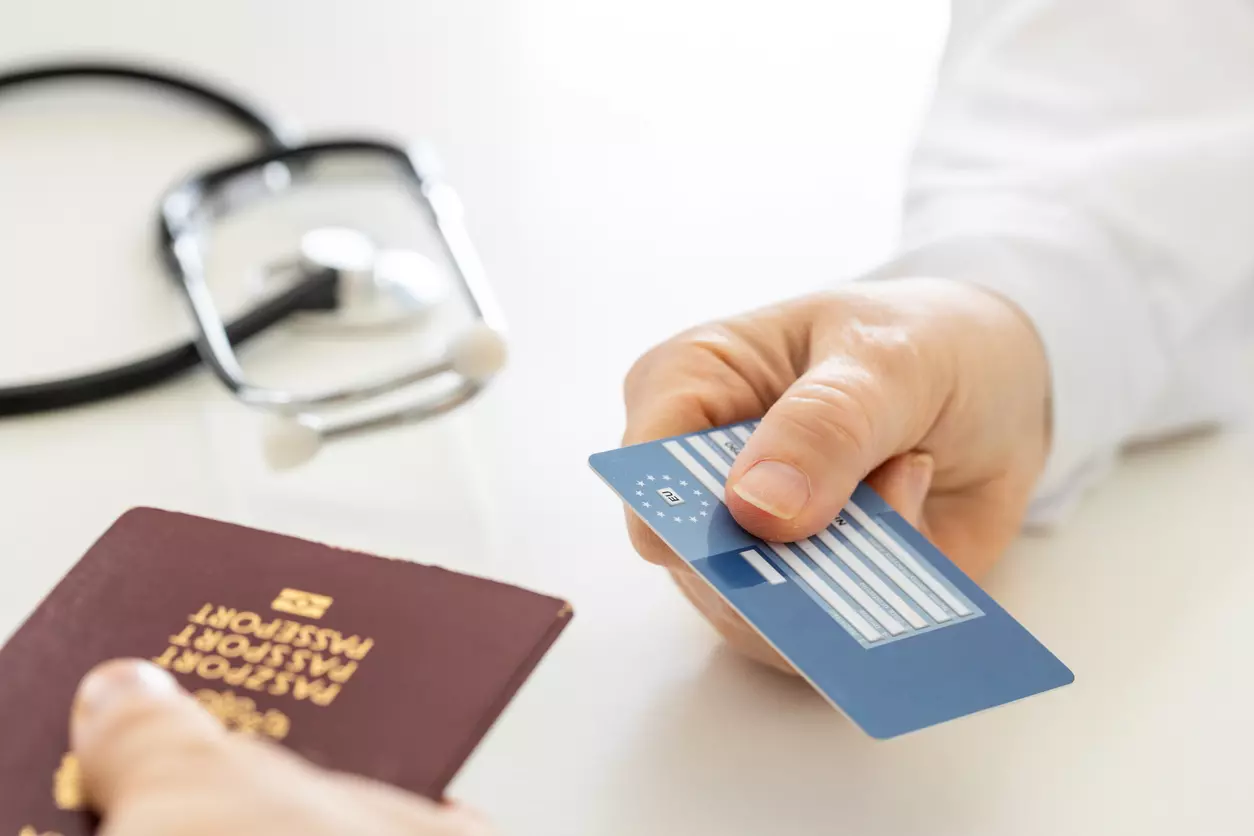
Travel insurance is one of the most important items on any European travel health checklist. Even in countries with excellent healthcare systems, visitors may need to pay for treatment first and then claim the money back from their insurer.
Your policy should ideally cover:
- Emergency medical treatment
- Hospital admissions
- Emergency surgery
- Prescription medication replacement
- Medical evacuation
- Repatriation costs
- Trip cancellations due to illness
Check Your Vaccinations
Most European countries do not require mandatory vaccinations for tourists. However, travellers should make sure their routine vaccinations are up to date before departure.
This may include:
- Tetanus
- Diphtheria
- Polio
- Measles, Mumps and Rubella (MMR)
- Seasonal flu vaccinations where appropriate
Speak to your healthcare provider before travelling if you have any concerns about recommended vaccinations.
Carry Prescription Medication Correctly
If you take regular medication, it is important to plan ahead.
Before travelling:
- Bring enough medication for your whole trip
- Keep medicines in their original packaging
- Carry copies of prescriptions
- Get a doctor's letter for controlled medications if required
- Store medication in your hand luggage
Medication rules can be different between countries, so it is important to check for any restrictions before departure.
Save Emergency Contact Information
The universal emergency number used throughout most European countries is: 112
This number can connect travellers to emergency medical services, police, and fire services when urgent help is needed.
Prepare Important Medical Documents
Create a travel health folder containing:
- Travel insurance information
- Prescription copies
- Emergency contact details
- Allergy information
- Medical history summary
- Passport copy
- Details of any ongoing medical conditions
Keeping both paper and digital copies can make it much easier to get healthcare while abroad.
Europe Travel Health Checklist: Essential Preparation Before You Leave
|
Preparation |
Why It Matters |
|---|---|
|
Travel insurance |
Helps cover unexpected healthcare costs |
|
Prescription medication |
Prevents interruptions to treatment |
|
Prescription copies |
Useful if medication is lost |
|
Emergency contacts |
Helps you access support quickly |
|
Medical history summary |
Assists healthcare providers |
|
Allergy information |
Important during emergencies |
|
Digital document copies |
Provides backup if documents are lost |
|
Emergency number 112 saved |
Allows faster access to emergency services |
Which European Countries Have the Best Healthcare for Travellers?
Many European countries provide excellent healthcare, but some destinations are particularly easy for international visitors to navigate.
Countries often considered among the most traveller-friendly for healthcare include:
- France
- Germany
- Netherlands
- Switzerland
- Austria
- Spain
- Portugal
These countries generally offer modern hospitals, strong emergency services, easy access to pharmacies, and good availability of English-speaking healthcare professionals in major tourist destinations.
France Travel Health Checklist
France is the most visited country in Europe. It is known for good healthcare, modern hospitals, and many pharmacies. Whether you're visiting Paris, Nice, Lyon, or the French Alps, it helps to know how healthcare works before you travel.
France Healthcare at a Glance
|
Category |
Information |
|
Healthcare Quality |
Excellent |
|
Emergency Number |
112 |
|
English-Speaking Doctors |
Common in major cities and tourist areas |
|
Travel Insurance Recommended |
Yes |
|
Public Hospitals Available |
Yes |
|
Private Clinics Available |
Yes |
|
Pharmacies Widely Available |
Yes |
|
Prescription Copies Recommended |
Yes |
|
Medical Evacuation Coverage Recommended |
For remote mountain regions |
Before You Visit France
Before travelling to France, make sure you:
- Purchase comprehensive travel insurance
- Bring enough prescription medication for your whole stay
- Keep medications in original packaging
- Carry copies of prescriptions
- Save emergency contact details
- Keep digital copies of important documents
Healthcare for Tourists in France
France has one of the best healthcare systems in the world. Travellers can use public hospitals, private clinics, specialists, and pharmacies across the country.
Visitors can usually get medical treatment easily, especially in big cities and popular tourist areas. However, travellers may need to pay for treatment first and then claim the money back through their travel insurance provider.
Pharmacies in France
Pharmacies are easy to spot because they have a green cross lit up outside. Pharmacists can give advice for minor illnesses and common travel health problems.
Spain Travel Health Checklist
Spain is one of Europe's most popular travel destinations. Visitors come for its sunny beaches, historic cities, famous food, and lively culture. Whether you're visiting Barcelona, Madrid, Seville, Valencia, or the Balearic Islands, it helps to understand how healthcare works before you travel.
Spain is known for having one of the best healthcare systems in Europe. It has modern hospitals, well-equipped clinics, and many pharmacies across the country.
Spain Healthcare at a Glance
|
Category |
Information |
|
Healthcare Quality |
Excellent |
|
Emergency Number |
112 |
|
English-Speaking Doctors |
Common in tourist areas and major cities |
|
Travel Insurance Recommended |
Yes |
|
Public Hospitals Available |
Yes |
|
Private Clinics Available |
Yes |
|
Pharmacies Widely Available |
Yes |
|
Prescription Copies Recommended |
Yes |
|
Medical Evacuation Coverage Recommended |
For remote islands and adventure activities |
Before You Visit Spain
Before travelling to Spain, make sure you:
- Purchase comprehensive travel insurance
- Bring enough prescription medication for your whole trip
- Carry medications in their original packaging
- Keep copies of prescriptions and medical documents
- Save emergency contact details
- Pack sunscreen and drink enough water during summer travel
Travellers planning to hike, cycle, go water sports, or engage in other outdoor activities should check that their insurance policy covers these activities.
Healthcare for Tourists in Spain
Spain offers excellent healthcare through both public and private healthcare providers.
Visitors can access:
- Public hospitals
- Private hospitals and clinics
- General practitioners
- Medical specialists
- Urgent care centres
- Community pharmacies
Healthcare facilities are especially strong in major cities such as Madrid, Barcelona, Valencia, Malaga, and Seville. They are also widely available in popular tourist areas across the Costa del Sol, Costa Blanca, and the Balearic and Canary Islands.
Many private clinics in tourist areas have English-speaking doctors and staff. This can make it easier for international visitors to get medical care.
Pharmacies in Spain
Spanish pharmacies, known locally as farmacias, are easy to find. They are recognised by the green cross displayed outside.
Pharmacists can often help with minor travel health problems, including:
- Seasonal allergies
- Minor infections
- Digestive problems
- Sunburn
- Insect bites
- Cold and flu symptoms
Most cities have pharmacies with longer opening hours. Larger destinations often have emergency pharmacies outside normal business hours.
Emergency Medical Services in Spain
If you need urgent medical help during your trip, dial: 112
The emergency operator can connect you to ambulance services, police, or fire services, depending on the emergency.
Spain has strong emergency medical services, especially in cities and major tourist areas.
Health Tips for Travelling in Spain
To stay healthy while visiting Spain:
- Drink plenty of water, especially during the summer
- Use sunscreen and wear protective clothing when spending time outdoors
- Carry medication with you during day trips
- Keep travel insurance documents easy to access
- Take extra care when visiting remote islands or mountain areas
Travellers visiting the Canary Islands, the Balearic Islands, or rural parts of Spain may want to ensure their insurance policy includes medical evacuation coverage.
Germany Travel Health Checklist
Germany is one of Europe's most visited countries. Travellers come for its historic cities, cultural landmarks, beautiful countryside, and famous Christmas markets. Whether you're visiting Berlin, Munich, Hamburg, Frankfurt, or Cologne, it helps to understand the healthcare system before your trip.
Germany is known for having one of the most advanced healthcare systems in the world. Visitors can get care from modern hospitals, highly trained medical staff, and strong emergency services across the country.
Germany Healthcare at a Glance
|
Category |
Information |
|
Healthcare Quality |
Excellent |
|
Emergency Number |
112 |
|
English-Speaking Doctors |
Common in major cities |
|
Travel Insurance Recommended |
Yes |
|
Public Hospitals Available |
Yes |
|
Private Clinics Available |
Yes |
|
Pharmacies Widely Available |
Yes |
|
Prescription Copies Recommended |
Yes |
|
Medical Evacuation Coverage Recommended |
For remote hiking and mountain regions |
Before You Visit Germany
Before travelling to Germany, make sure you:
- Purchase comprehensive travel insurance
- Bring enough prescription medication for your trip
- Keep medicines in their original packaging
- Carry copies of prescriptions and medical records
- Save emergency contact details
- Store digital copies of important travel documents
Travellers with ongoing medical conditions should carry a doctor's letter that explains their treatment and medication needs.
Healthcare for Tourists in Germany
Germany's healthcare system is known worldwide for its high standards, modern medical technology, and extensive network of healthcare facilities.
Visitors can access:
- Public hospitals
- Private hospitals and specialist clinics
- General practitioners
- Medical specialists
- Urgent care services
- Community pharmacies
Major cities such as Berlin, Munich, Frankfurt, Hamburg, and Düsseldorf offer excellent access to healthcare. Many healthcare facilities are used to treating international visitors.
Private clinics often offer faster appointments and may have more English-speaking healthcare professionals.
Pharmacies in Germany
German pharmacies, known as Apotheken, are easy to spot by the large red "A" sign outside.
Pharmacists can give advice and treatment recommendations for common travel health problems, including:
- Seasonal allergies
- Minor infections
- Cold and flu symptoms
- Digestive problems
- Minor injuries
- Headaches and pain relief
Pharmacies are widely available across Germany. Emergency pharmacy services are also available outside normal opening hours.
Emergency Medical Services in Germany
If you need urgent medical help during your trip, call: 112
This emergency number connects you to ambulance services, police, and fire services.
Germany has a very efficient emergency response system and well-equipped emergency departments across the country.
Health Tips for Travelling in Germany
To stay healthy during your visit:
- Carry regular medication with you during day trips
- Keep travel insurance documents easy to access
- Drink enough water while sightseeing
- Dress for the season and weather
- Save local emergency contacts before arrival
If you plan to hike in the Bavarian Alps or visit remote rural areas, make sure your travel insurance includes emergency transport and medical evacuation coverage.
With world-class hospitals, modern medical facilities, and excellent emergency services, Germany is one of the safest destinations in Europe for travellers who may need healthcare during their trip.
Portugal Travel Health Checklist
Portugal is one of Europe's fastest-growing travel destinations. Visitors come for its beautiful coastline, historic cities, mild weather, and relaxed lifestyle. Whether you're visiting Lisbon, Porto, the Algarve, Madeira, or the Azores, it helps to understand the healthcare system before your trip.
Portugal is known for good healthcare services, modern hospitals, and easy access to pharmacies. Healthcare standards are especially strong in major cities and popular tourist areas.
Portugal Healthcare at a Glance
|
Category |
Information |
|
Healthcare Quality |
Excellent |
|
Emergency Number |
112 |
|
English-Speaking Doctors |
Common in tourist areas and major cities |
|
Travel Insurance Recommended |
Yes |
|
Public Hospitals Available |
Yes |
|
Private Clinics Available |
Yes |
|
Pharmacies Widely Available |
Yes |
|
Prescription Copies Recommended |
Yes |
|
Medical Evacuation Coverage Recommended |
For remote islands and outdoor activities |
Before You Visit Portugal
Before travelling to Portugal, make sure you:
- Purchase comprehensive travel insurance
- Bring enough prescription medication for your whole stay
- Keep medications in their original packaging
- Carry copies of prescriptions and medical documents
- Save emergency contact details
- Store digital copies of important travel information
Travellers planning to hike, surf, cycle, or engage in other outdoor activities should check that their insurance policy includes the right coverage.
Healthcare for Tourists in Portugal
Portugal has a well-developed healthcare system with both public and private medical services.
Visitors can access:
- Public hospitals
- Private hospitals and clinics
- General practitioners
- Medical specialists
- Urgent care centres
- Community pharmacies
Healthcare facilities are especially strong in Lisbon, Porto, Faro, Braga, and other major cities. Tourist areas such as the Algarve are also well-equipped to help international visitors.
Many private healthcare providers have English-speaking medical staff. This can make it easier for tourists to get treatment when needed.
Pharmacies in Portugal
Portuguese pharmacies, known as farmácias, are easy to find and play an important role in basic healthcare.
Pharmacists can help with common travel health problems such as:
- Allergies
- Minor infections
- Cold and flu symptoms
- Digestive issues
- Sunburn
- Minor injuries
Pharmacies are easy to find in cities, towns, and holiday destinations. Emergency pharmacies are also available outside regular opening hours.
Emergency Medical Services in Portugal
If you need urgent medical help while travelling in Portugal, dial: 112
This emergency number connects travellers to ambulance services, police, and fire services.
Portugal has a reliable emergency response network, especially in major cities and tourist areas.
Health Tips for Travelling in Portugal
To stay healthy during your trip:
- Drink plenty of water, especially during the summer
- Use sunscreen when spending time outdoors
- Carry medication during day trips and excursions
- Keep travel insurance documents easy to access
- Be prepared for warmer temperatures in southern regions
Travellers visiting Madeira, the Azores, or remote coastal areas should ensure their insurance policy includes emergency transport and medical evacuation coverage, if needed.
With modern hospitals, easy access to healthcare services, and a strong pharmacy network, Portugal is one of Europe's most traveller-friendly destinations for visitors who may need medical help during their stay.
Greece Travel Health Checklist
Greece is one of Europe's most popular holiday destinations. Visitors come for its beautiful islands, ancient landmarks, warm weather, and clear blue waters. Whether you're visiting Athens, Santorini, Mykonos, Crete, Rhodes, or Corfu, it helps to understand the healthcare system before your trip.
Greece offers good healthcare services, especially in major cities and popular tourist areas. However, healthcare access can be different between the mainland and smaller islands, so travel insurance is very important.
Greece Healthcare at a Glance
|
Category |
Information |
|
Healthcare Quality |
Very Good |
|
Emergency Number |
112 |
|
English-Speaking Doctors |
Common in tourist destinations |
|
Travel Insurance Recommended |
Yes |
|
Public Hospitals Available |
Yes |
|
Private Clinics Available |
Yes |
|
Pharmacies Widely Available |
Yes |
|
Prescription Copies Recommended |
Yes |
|
Medical Evacuation Coverage Recommended |
Strongly recommended for island travel |
Before You Visit Greece
Before travelling to Greece, make sure you:
- Purchase comprehensive travel insurance
- Bring enough prescription medication for your whole trip
- Carry medications in their original packaging
- Keep copies of prescriptions and medical records
- Save emergency contact information
- Store digital copies of travel and health documents
Travellers visiting several islands should carry extra medication in case of transport delays or limited access to pharmacies.
Healthcare for Tourists in Greece
Greece provides both public and private healthcare services.
Visitors can access:
- Public hospitals
- Private hospitals and clinics
- General practitioners
- Medical specialists
- Urgent care services
- Community pharmacies
Healthcare facilities in Athens and other major cities are generally excellent. Popular tourist destinations such as Santorini, Mykonos, Crete, Rhodes, and Corfu also offer medical services for visitors.
However, smaller islands may have fewer healthcare facilities. Serious medical cases may need transfer to larger hospitals on the mainland.
Pharmacies in Greece
Greek pharmacies are widely available in cities, towns, and tourist destinations.
Pharmacists can often help with common travel health issues, including:
- Sunburn
- Minor infections
- Allergies
- Digestive problems
- Cold and flu symptoms
- Insect bites
Many pharmacists speak English, especially in popular tourist areas.
Emergency Medical Services in Greece
If you need urgent medical help while travelling in Greece, dial: 112
This emergency number connects you to ambulance services, police, and fire services.
Emergency healthcare services are available throughout Greece, although response times and healthcare facilities may vary on remote islands.
Health Tips for Travelling in Greece
To stay healthy during your trip:
- Drink enough water, especially during the summer
- Use high-factor sunscreen when outdoors
- Carry water during sightseeing and island trips
- Keep medications with you during ferry journeys
- Keep travel insurance documents easy to access
Travellers visiting remote islands or taking part in hiking, sailing, scuba diving, or other adventure activities should make sure their insurance policy includes emergency transport and medical evacuation coverage.
With reliable healthcare services, modern medical facilities in major destinations, and easy access to pharmacies, Greece remains a safe and enjoyable destination for travellers across Europe.
Netherlands Travel Health Checklist
The Netherlands is one of Europe's most popular places for city breaks, culture trips, cycling holidays, and business travel. Whether you're visiting Amsterdam, Rotterdam, The Hague, Utrecht, or Eindhoven, it helps to understand how healthcare works before your trip.
The Netherlands is often ranked among the best healthcare systems in the world. Visitors can access modern hospitals, well-trained healthcare professionals, and strong emergency medical services across the country.
Netherlands Healthcare at a Glance
|
Category |
Information |
|
Healthcare Quality |
Excellent |
|
Emergency Number |
112 |
|
English-Speaking Doctors |
Very Common |
|
Travel Insurance Recommended |
Yes |
|
Public Hospitals Available |
Yes |
|
Private Clinics Available |
Limited Compared to Other Countries |
|
Pharmacies Widely Available |
Yes |
|
Prescription Copies Recommended |
Yes |
|
Medical Evacuation Coverage Recommended |
For specialised emergencies and extended travel |
Before You Visit the Netherlands
Before travelling to the Netherlands, make sure you:
- Purchase comprehensive travel insurance
- Bring enough prescription medication for your trip
- Carry medications in their original packaging
- Keep copies of prescriptions and medical records
- Save emergency contact details
- Store digital copies of important travel documents
If you have a long-term medical condition, carrying a short summary of your treatment plan can help if you need medical care abroad.
Healthcare for Tourists in the Netherlands
The Dutch healthcare system is known for being efficient, easy to access, and of high quality.
Visitors can access:
- Public hospitals
- General practitioners (GPs)
- Specialist medical services
- Urgent care centres
- Community pharmacies
Major cities such as Amsterdam, Rotterdam, Utrecht, and The Hague offer excellent access to healthcare. English is also widely spoken by healthcare professionals.
In most cases, travellers who need non-emergency medical care may first be sent to a general practitioner, who may refer them to a specialist if needed.
Pharmacies in the Netherlands
Dutch pharmacies, known as apotheken, are widely available across the country.
Pharmacists can give advice and treatment recommendations for common travel health problems, including:
- Seasonal allergies
- Minor infections
- Cold and flu symptoms
- Digestive problems
- Minor injuries
- Skin irritations
Pharmacies have high professional standards and are an important part of the healthcare system.
Emergency Medical Services in the Netherlands
If you need urgent medical help while travelling in the Netherlands, call: 112
This number connects travellers to ambulance services, police, and fire services.
Emergency medical services are very efficient, and hospitals across the country can manage many types of medical emergencies.
Health Tips for Travelling in the Netherlands
To stay healthy during your visit:
- Carry your regular medication during day trips
- Keep travel insurance information easy to access
- Drink enough water while cycling or walking long distances
- Dress for changing weather conditions
- Save local healthcare contact information before arrival
Travellers planning cycling holidays or outdoor activities should make sure their insurance policy covers accidents and emergency medical treatment.
With world-class healthcare facilities, well-trained medical professionals, and wide English-language support, the Netherlands is one of the safest and easiest European destinations for travellers who may need healthcare during their trip.
Switzerland Travel Health Checklist
Switzerland is one of Europe's most visited destinations. It is famous for its beautiful Alpine views, top ski resorts, pretty cities, and outdoor adventures. Whether you're visiting Zurich, Geneva, Lucerne, Interlaken, or the Swiss Alps, it helps to understand the local healthcare system before your trip.
Switzerland is not part of the European Union, but it is still a key destination for travellers visiting Europe. The country is known for having one of the best healthcare systems in the world, with modern hospitals, advanced medical equipment, and highly trained healthcare professionals.
Switzerland Healthcare at a Glance
|
Category |
Information |
|
Healthcare Quality |
Excellent |
|
Emergency Number |
112 |
|
English-Speaking Doctors |
Common in major cities and tourist areas |
|
Travel Insurance Recommended |
Essential |
|
Public Hospitals Available |
Yes |
|
Private Clinics Available |
Yes |
|
Pharmacies Widely Available |
Yes |
|
Prescription Copies Recommended |
Yes |
|
Medical Evacuation Coverage Recommended |
Strongly recommended for mountain activities |
Before You Visit Switzerland
Before travelling to Switzerland, make sure you:
- Purchase comprehensive travel insurance with high medical cover
- Bring enough prescription medication for your trip
- Carry medicines in their original packaging
- Keep copies of prescriptions and medical documents
- Save emergency contact information
- Store digital copies of important travel and health records
Healthcare in Switzerland is excellent, but can be expensive for visitors without the right insurance cover.
Healthcare for Tourists in Switzerland
Switzerland offers excellent healthcare standards across the country.
Visitors can access:
- Public hospitals
- Private hospitals and clinics
- General practitioners
- Medical specialists
- Urgent care centres
- Community pharmacies
Major cities such as Zurich, Geneva, Basel, Lausanne, and Bern have excellent healthcare facilities. Popular tourist destinations in the Alps are also well equipped to handle medical emergencies, especially during ski season.
Many healthcare professionals speak English, especially in areas often visited by international tourists.
Pharmacies in Switzerland
Swiss pharmacies are widely available and offer professional advice for common health concerns.
Pharmacists can help with:
- Cold and flu symptoms
- Allergies
- Minor infections
- Digestive issues
- Skin conditions
- Travel-related health concerns
Pharmacies are easy to find in cities, towns, and tourist destinations across the country.
Emergency Medical Services in Switzerland
If you need urgent medical help while travelling in Switzerland, call: 112
Emergency healthcare services are very efficient and easy to access across the country, including many mountain regions and ski resorts.
Health Tips for Travelling in Switzerland
To stay healthy during your trip:
- Drink enough water when hiking or skiing
- Protect your skin from strong, high-altitude sun
- Carry medication during mountain trips
- Keep travel insurance information easy to access at all times
- Be ready for quickly changing weather in Alpine regions
Travellers planning to ski, snowboard, hike, mountaineer, or engage in other outdoor activities should ensure their insurance policy covers adventure sports and emergency rescue services.
With world-class hospitals, highly trained medical professionals, and excellent emergency services, Switzerland is one of the safest destinations in Europe for travellers. However, because healthcare costs can be high, comprehensive travel insurance should be considered essential before your visit.
Austria Travel Health Checklist
Austria is a popular destination for travellers who enjoy historic cities, mountain views, winter sports, and cultural attractions. Whether you're visiting Vienna, Salzburg, Innsbruck, Graz, or the Austrian Alps, understanding the local healthcare system can help you travel with more confidence.
Austria is known for its excellent healthcare system, modern hospitals, and high standards of medical care. Visitors can expect reliable healthcare services across the country, especially in major cities and tourist areas.
Austria Healthcare at a Glance
|
Category |
Information |
|
Healthcare Quality |
Excellent |
|
Emergency Number |
112 |
|
English-Speaking Doctors |
Common in major cities and tourist areas |
|
Travel Insurance Recommended |
Yes |
|
Public Hospitals Available |
Yes |
|
Private Clinics Available |
Yes |
|
Pharmacies Widely Available |
Yes |
|
Prescription Copies Recommended |
Yes |
|
Medical Evacuation Coverage Recommended |
Strongly recommended for skiing and mountain activities |
Before You Visit Austria
Before travelling to Austria, make sure you:
- Purchase comprehensive travel insurance
- Bring enough prescription medication for your stay
- Carry medicines in their original packaging
- Keep copies of prescriptions and important medical records
- Save emergency contact information
- Store digital copies of travel and health documents
Travellers planning to ski, snowboard, hike, or engage in other outdoor activities should check that these activities are covered by their travel insurance policy.
Healthcare for Tourists in Austria
Austria's healthcare system is regularly ranked among the best in Europe. It provides access to high-quality medical services across the country.
Visitors can access:
- Public hospitals
- Private hospitals and clinics
- General practitioners
- Medical specialists
- Emergency departments
- Community pharmacies
Healthcare facilities are especially strong in Vienna, Salzburg, Innsbruck, Linz, and Graz. Tourist regions, including popular ski resorts, are also well equipped to handle medical emergencies.
English-speaking doctors are widely available in major cities and destinations that welcome large numbers of international visitors.
Pharmacies in Austria
Austrian pharmacies, known as Apotheken, are easy to recognise by the green pharmacy sign outside.
Pharmacists can help with common travel health concerns such as:
- Cold and flu symptoms
- Allergies
- Minor infections
- Digestive problems
- Minor injuries
- Pain relief and first-aid advice
Pharmacies are widely available across Austria, and emergency pharmacy services operate outside normal opening hours.
Emergency Medical Services in Austria
If you need urgent medical help during your stay, dial: 112
This emergency number connects travellers to ambulance services, police, and fire services.
Austria has an efficient emergency healthcare network and well-equipped hospitals that can manage a wide range of medical emergencies.
Health Tips for Travelling in Austria
To stay healthy during your trip:
- Drink enough water during outdoor activities
- Use suitable sun protection when hiking at higher altitudes
- Carry medication during day trips and excursions
- Keep travel insurance information easy to access
- Dress for changing mountain weather conditions
Travellers visiting ski resorts or mountain regions should make sure their insurance policy includes emergency rescue, mountain evacuation, and winter sports cover.
With excellent hospitals, modern healthcare facilities, and reliable emergency services, Austria is one of Europe's safest destinations for travellers who may need medical care during their visit.
Conclusion
Europe remains one of the safest and most traveller-friendly regions in the world for healthcare. From the modern hospitals of Germany and Switzerland to the trusted healthcare systems in France, Spain, and the Netherlands, visitors can usually get high-quality medical care during their trip. However, healthcare access, costs, and regulations can vary by country, so it is important to prepare before you travel.
Before travelling, take time to organise your travel insurance, prescription medications, emergency contacts, and important medical documents. A little planning can help you handle unexpected health problems and enjoy your European trip with greater confidence and peace of mind.
If you need medical advice before or during your trip, Mobi Doctor offers convenient online consultations with licensed doctors. Adults can receive professional medical guidance and, where clinically appropriate, prescriptions without needing to visit a local clinic. Whether you're getting ready for travel or dealing with a health concern while abroad, Mobi Doctor makes accessing healthcare simple and convenient.