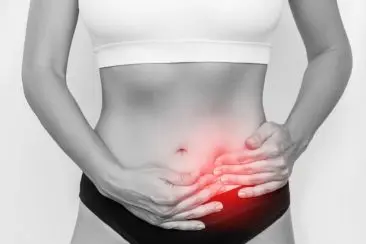
Why do you always get ill on holiday? For many people, getting sick on holiday is not just bad luck. Stress, poor sleep, travel tiredness, dehydration, disrupted routines, and exposure to new germs can all make you feel unwell as soon as you finally relax.
This pattern is sometimes called “leisure sickness”. It describes symptoms such as headaches, colds, exhaustion, nausea, muscle pain, and sore throats that often occur on weekends, holidays, or during time away from work.
You spend weeks rushing to meet deadlines, packing late at night, and trying to get everything done before you leave. Then, as soon as you switch off, your body seems to do the opposite. Instead of feeling relaxed, you wake up with a headache, cold symptoms, stomach problems, or complete exhaustion.
If this sounds familiar, you are not imagining it. Many people experience what experts call the “let-down effect”. When you are stressed, your body produces hormones like cortisol and adrenaline. These hormones help you keep going, but they can also affect your immune system. Once the stress goes away, symptoms that were being held back can suddenly appear.
Travel can also make things worse. Long journeys, crowded airports, poor sleep, irregular meals, alcohol, dehydration, and being around lots of people can make it easier to pick up bugs and feel run-down.
In this article, we will explain why you get ill when you go on holiday, what leisure sickness really means, why stress and the immune system are so closely linked, and how to avoid getting sick every time you travel.
The Main Reason: Your Body Finally Stops Running on Stress
One of the biggest reasons people get ill on holiday is that their body finally stops running on stress.
When life is busy, your body releases stress hormones like cortisol and adrenaline. These hormones help keep you awake, focused, and full of energy. They can help you deal with work, family problems, travel plans, and busy schedules.
This can be helpful for a short time. But stress is not meant to last forever.
If you stay stressed for weeks or months, your body can get stuck in a constant state of alert. Your heart may beat faster than normal, your muscles may stay tense, and you may not sleep as well. Stress can also affect your immune system. This may make it easier for you to get ill once the pressure starts to ease.
This is sometimes called the “let-down effect”. When your holiday begins, work stress drops and your body finally relaxes. Instead of feeling refreshed straight away, you may suddenly notice how tired or unwell you really are.
For example:
- A mild headache may turn into a migraine
- A sore throat may become a full cold
- Stomach problems may get worse
- Tiredness may suddenly hit you all at once
Researchers think this may explain why people often get ill at the start of a holiday, rather than later on. In many cases, the illness did not begin on holiday. The symptoms were already there, but stress was hiding them.
This can be more common in people who:
- Work long hours
- Find it hard to switch off
- Do not take enough breaks
- Sleep badly during the week
- Keep checking work messages after hours
- Feel guilty when they rest
Research across Europe shows that many people stay under pressure all the time, even during time off. Heavy workloads, emotional stress, and feeling like you always need to be available can all affect your health.
This is why getting ill on holiday is not always about catching a virus. Sometimes, it is your body's way of telling you that you have been under too much stress for too long.
Why Holidays Trigger Symptoms More Than Ordinary Time Off
Holidays can make you feel ill more than a normal evening or weekend off. This is because lots of things happen at once.
You are not only stopping work. You are also dealing with packing, travel, poor sleep, busy airports, different food, hot weather, and changes to your normal routine.
All of these things can make headaches, tiredness, cold symptoms, stomach problems, and exhaustion much more likely.
You push yourself too hard before you leave
For many people, the days before a holiday are the most stressful part.
You may try to finish work, reply to emails, pack, clean the house, sort travel documents, and get everything ready before you go away. Instead of slowly relaxing, you rush right up until the moment you leave.
Research shows that people who struggle to relax are more likely to feel ill during time off. Many people also keep checking work emails while on holiday, which means they never fully switch off.
Your sleep often gets worse
Sleep is a big reason why people feel unwell on holiday.
Before a trip, many people go to bed late, wake up early, or sleep badly because they are stressed or excited. Travel days often mean early alarms, long queues, and noisy airports.
Poor sleep can affect your immune system and make you more susceptible to illness. It can also leave you feeling tired, irritable, and run down before your holiday has even started.
Travel exposes you to more germs
Sometimes people do catch an illness while travelling.
Airports, planes, trains, coaches, and busy tourist spots put you close to lots of other people. This can make it easier to pick up colds, coughs, and other infections, especially during busy travel times.
You eat, drink, and move differently
Holiday habits can also make you feel unwell.
You may drink less water, eat heavier meals, drink more alcohol, sit for long periods while travelling, or spend more time in the heat.
This can lead to:
- Headaches
- Bloating
- Constipation
- Nausea
- Tiredness
- Dizziness
- Heartburn
Sometimes, feeling ill on holiday is not caused by a virus at all. It can simply happen because your body is dealing with poor sleep, dehydration, stress, richer food, and changes to your routine all at once.
The first few days are often the hardest
Many people feel worse during the first day or two of a holiday.
This is when stress levels drop, tiredness catches up with you, and your body is still adjusting to travel and a new place.
After a few days, many people start to feel better because they have finally had a chance to rest, sleep properly, and settle into the holiday.
If you often feel ill at the start of a trip, it may be a sign that your body was already worn out before the holiday even began.
Why It Feels Like I Only Get Ill When I Finally Relax
One of the most frustrating things about getting ill on holiday is that it often happens just when you finally stop and relax.
You might deal with weeks of stress, busy days, late nights, work emails, and constant pressure, then suddenly feel awful as soon as your break begins.
This can make it seem like relaxing is the problem.
But relaxing does not make you ill. It is simply giving your body a chance to notice symptoms that were already there.
When you are busy, stress hormones help keep you alert and focused. They can make it easier to ignore things like tiredness, headaches, muscle pain, stomach problems, or the first signs of a cold.
Once you stop and slow down, your body finally has time to notice how worn out it really is.
This is why people often say things like:
- “I only get sick when I finally slow down”
- “I was fine until the first day of my holiday”
- “I always get a migraine when work calms down”
- “The moment I stop, I crash”
Researchers think this happens because the body gets used to being in a constant state of stress. When that stress suddenly disappears, symptoms that were hidden can become much easier to notice.
For some people, the symptoms are mainly physical, such as:
- Headaches or migraines
- Sore throat
- Tiredness
- Muscle pain
- Digestive issues
- Cold symptoms
For other people, the symptoms are more emotional, such as:
- Irritability
- Feeling low or tearful
- Anxiety when they finally stop
- Trouble sleeping
- Feeling guilty for resting
- Difficulty switching off mentally
This can be more common in people who are always busy.
If you are always working, helping other people, replying to messages, or thinking about what still needs to be done, your body may stop seeing rest as normal. Instead, slowing down can feel strange or uncomfortable at first.
Experts say that long-term stress can affect both mental and physical health, especially if people never fully switch off from work.
This is why getting ill on holiday is often not a sign that your body is failing you. It is often a sign that you have been coping with too much for too long without enough rest.
Is It Stress, Or Am I Picking Up A Real Infection?
Not every illness on holiday is caused by stress.
Sometimes you really do catch a virus, eat something that does not agree with you, or pick up an infection while travelling.
The tricky part is that stress symptoms and infections can feel very similar, especially during the first few days of a holiday.
For example, tiredness, headaches, muscle aches, nausea, poor sleep, and feeling run-down can result from stress, dehydration, travel, or other factors. But they can also be early signs of an illness.
Stress may be the cause if you have:
- Fatigue that builds up slowly
- Headaches or migraines
- Neck, shoulder, or muscle tension
- Digestive problems like bloating, nausea, heartburn, or constipation
- Poor sleep
- Irritability or anxiety
- Feeling exhausted but unable to relax
- Symptoms that improve after a few days of rest
These symptoms are often linked to stress, poor sleep, dehydration, missed meals, or the sudden drop in pressure when you stop working.
A real infection may be more likely if you have:
- Fever
- Chills
- A cough that gets worse
- Vomiting
- Diarrhoea
- A very sore throat
- Swollen glands
- Symptoms that get worse instead of better
- Symptoms that spread to other people around you
If you are spending time in crowded places, travelling on public transport, or visiting busy tourist spots, there is always a chance that you could pick up a virus or stomach bug.
Food and drink can also play a part. Stomach problems on holiday are not always caused by stress.
Different foods, heavier meals, alcohol, poor hydration, and unfamiliar food can all upset your stomach. Sometimes it may just be indigestion. Other times, it could be food poisoning or an infection.
The timing of your symptoms can also give you a clue.
If you feel ill straight after a stressful period, then start to feel better after rest, sleep, water, and a slower pace, stress may be the main reason.
If your symptoms keep getting worse over several days, especially if you have a fever or vomiting, an infection is more likely.
Sometimes both things can happen together. Stress, poor sleep, and exhaustion can make it easier to catch a real infection while travelling. That is one reason why people who are burnt out often seem to get ill more easily when they finally go away.
|
Stress-Related Symptoms |
Infection Symptoms |
|
Headaches |
Fever |
|
Fatigue |
Chills |
|
Muscle tension |
Cough |
|
Poor sleep |
Vomiting |
|
Bloating or nausea |
Diarrhoea |
|
Irritability |
Sore throat |
|
Symptoms improve with rest |
Symptoms worsen over time |
Who Is Most Likely To Get Ill On Holiday?
Anyone can get ill on holiday, but some people are more likely to get sick than others. Usually, the people most at risk are already stressed, tired, or run down before the holiday even starts.
People with stressful jobs
If you work long hours, have a lot to do, or often feel mentally tired, your body may already be under pressure before you go away. Many people in busy jobs spend the days before a holiday rushing to finish work. By the time they leave, they already feel exhausted.
People who cannot switch off
Some people find it hard to relax, even on holiday. They may keep checking work emails, worry about work, or feel guilty for resting. This means their mind and body never fully relax.
People who sleep badly
Poor sleep is one of the biggest reasons people feel ill on holiday. If you already struggle to sleep, things like late-night packing, early flights, noise, heat, or sleeping in a new place can make it even harder. Poor sleep can make you feel more tired, grumpy, and more likely to catch infections.
Parents and carers
Parents often arrive on holiday already worn out. Travelling with children can mean less sleep, more planning, and less time to relax. Carers can feel the same because they spend so much time looking after other people. For these people, holidays can sometimes feel like hard work instead of restful.
Frequent travellers
People who travel a lot may be more likely to feel unwell. Frequent flights, poor sleep, dehydration, crowded places, and changes to routine can all make you feel tired and run down. This is even more common in people who try to do too much on holiday and never give themselves time to rest.
People recovering from burnout or long-term stress
If you have felt exhausted, stressed, overwhelmed, or unable to switch off for a long time, your body may already be close to its limit. When you finally go on holiday, you may suddenly notice just how tired and stressed you really are. This does not mean the holiday is making you ill. It often means your body finally has a chance to show how much pressure it has been under.
How To Stop Getting Ill Every Time You Go Away
If you often get ill on holiday, the answer is not just to pack more medicine or hope for better luck next time. The real goal is to lower stress on your body before, during, and after your trip. Small changes can make a big difference.
Start your holiday before you leave
Many people treat the final week before a holiday like a race.
They work longer hours, rush to finish jobs, stay up late, and try to do everything before they leave. This means they arrive already exhausted. Try to slow down in the days before your trip.
Finish important jobs earlier, avoid late nights, and remember that not everything has to be perfect before you go away. If you are already burnt out before you travel, you are much more likely to feel ill during the first few days of your holiday.
Protect your sleep before you travel
Sleep is one of the most important things for your immune system. In the week before your trip, try to go to bed at the same time each night. Avoid staying up late to pack or finish work. Even a few nights of bad sleep can make you feel more stressed, tired, and more likely to get ill.
Have a quiet first day
A lot of people arrive somewhere new and immediately start doing lots of activities. But your body often needs time to adjust. If possible, keep your first day calm. Unpack, drink water, eat properly, rest, and take things slowly. This can help your body move from stress mode into rest mode more gently.
Keep some of your normal routine
Holidays can feel very different from everyday life, but too much change all at once can make you feel worse.
Try to:
- Drink enough water
- Eat regular meals
- Get some daylight and gentle exercise
- Limit alcohol if you already feel tired
- Get enough sleep
These simple habits can help prevent headaches, stomach problems, tiredness, and feeling run-down.
Be careful about germs
You cannot avoid every germ while travelling, but you can lower your risk. Wash your hands often, carry tissues or hand sanitiser, and be careful in busy places like airports, trains, and tourist attractions. You should also be careful with food and water, especially if you are visiting somewhere unfamiliar.
Stop working while you are away
Many people do not fully switch off on holiday. They check emails, reply to messages, or spend the whole trip worrying about work. This can prevent your body from resting properly. The more you separate work from your holiday, the more likely you are to feel healthy, rested, and refreshed when you come home.
When Getting Ill On Holiday Could Point To Something Else
Most of the time, getting ill on holiday is caused by stress, poor sleep, travel tiredness, or a minor infection.
But if it keeps happening, gets worse, or does not improve with rest, it could be a sign that something else is going on.
For example, always feeling exhausted could sometimes be linked to:
- Burnout
- Low iron
- Thyroid problems
- Vitamin deficiencies
- Sleep disorders
- Other health conditions
Repeated stomach problems could be linked to:
- Food intolerances
- Heartburn
- Irritable bowel syndrome
- Anxiety
Frequent headaches or migraines could be linked to:
- Stress
- Dehydration
- Hormones
- Poor sleep
- Eye problems
You should pay closer attention if you often have:
- Frequent fevers
- Chest infections that keep coming back
- Severe tiredness that does not get better after rest
- Ongoing stomach problems
- Unexplained weight loss
- A cough that does not go away
- Breathlessness
- Symptoms that continue even when you are not travelling
- Illness every time you take time off
If these things happen often, it is a good idea to speak to a healthcare professional instead of assuming it is only stress.
Sometimes repeated symptoms can be a sign that your body is dealing with more than just the normal effects of stress and tiredness.
Long-term stress can also affect your health in other ways. It has been linked to poor sleep, mental health problems, heart problems, muscle pain, and burnout.
So if holidays always leave you feeling worse instead of better, it may be a sign that you need more rest, more support, or a closer look at the stress in your everyday life.
The Bottom Line
If you always get ill on holiday, it does not always mean you are unlucky or that something is seriously wrong. In many cases, it is your body's reaction to weeks or months of stress, poor sleep, pressure, and overwork. Holidays can bring lots of triggers together at the same time, including a sudden drop in stress, poor sleep, travel tiredness, dehydration, rich food, alcohol, busy places, and big changes to your normal routine.
This is why headaches, colds, stomach problems, tiredness, and other symptoms often appear just when you finally stop and relax. The important thing to remember is that relaxing is not cause the problem. More often, the holiday is simply showing how tired and run-down you already were.
If you want to stop getting ill on holiday, it can help to prepare your body before you leave. Try to get enough sleep, slow down earlier, lower stress, drink enough water, and give yourself time to settle in once you arrive. If you do become unwell before or during a trip, seeking medical advice can help you determine whether your symptoms are due to stress, a minor infection, or something else. Mobi Doctor can help with online consultations for common travel illnesses, cold symptoms, headaches, stomach problems, and general medical advice while you are away.