Low Libido in Men Over 40: When to Consider Online Testosterone Therapy
It often starts slowly. You might feel more tired than usual. Getting out of bed in the morning feels harder. Exercise takes more effort. And your interest in sex, something that used to come naturally, just isn’t the same anymore.
For many men over 40, these changes can be confusing, frustrating, and even a bit embarrassing.
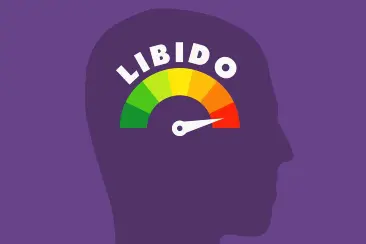
Low sex drive (also called low libido) is standard as men get older, but it’s not talked about very often. Experts from the American Urological Association say that about 4 in 10 men over the age of 45 have low testosterone. Testosterone is the primary male hormone. It helps with sex drive, energy, mood, and keeping your body strong.
As you age, your body produces less testosterone, but sometimes the drop is more pronounced than usual. If your sex drive is low and it's affecting your life, you could have a health problem called hypogonadism. This means your testosterone levels are too low.
The good news? You don't have to live with it. These days, help is easier to find than ever. With online testosterone therapy, you can get tested and treated from home. It's private, easy, and can be very effective.
But that raises some important questions:
Is online testosterone therapy safe? Does it work? And how do you know if it’s right for you?
In this simple guide, we'll explain what low testosterone is, how it affects your sex drive, what you can do about it naturally, and when it might be time to get medical help. We'll also discuss how online treatment works and what to look for in a reputable provider.
Whether you’re just curious or ready to make a change, this guide will help you feel more confident and in control of your health.
Understanding Low Libido and Testosterone in Men Over 40
Low libido, also called low sex drive, means you don’t feel as interested in sex as you used to. This is different from problems like erectile dysfunction (ED), which is when it’s hard to get or keep an erection. Low libido is more about how you feel, rather than how your body functions.
For many men over 40, losing interest in sex can feel strange or worrying. But it helps to understand why it happens, and a big reason is changes in testosterone.
Libido vs Sexual Function: What’s the Difference?
Libido is your interest in sex and how much you want it.
Sexual function is about your body’s ability to have sex, like getting and keeping an erection.
These two things are connected, but they aren’t the same. A man can want sex but have trouble physically, or he can be able to have sex but not feel the desire.
In men, libido is influenced by their hormones, brain function, and overall health. And the most critical hormone for sex drive is testosterone.
How Testosterone Affects Your Sex Drive
Testosterone is the primary male hormone. It’s made mainly in the testicles and helps control things like:
- Sex drive
- Muscle size and strength
- Bone health
- Mood and energy
- Sperm production
Testosterone works in certain parts of the brain that control how interested you are in sex. When testosterone levels drop too low, many men feel less desire for sex, get fewer natural erections, and feel less connected to that part of themselves.
Why Testosterone Naturally Declines With Age
From about age 30, men slowly start to make less testosterone, around 1–2% less each year. By their 40s or 50s, some men have levels that are lower than usual. This is sometimes called andropause or late-onset hypogonadism.
Not every man with lower testosterone will feel a difference. But many do, and one of the first signs is a lower sex drive.
Signs of Low Testosterone After 40
Losing interest in sex is often the first sign that something might be wrong, but low testosterone (also called "low T") can cause many other symptoms, too. Some are easy to overlook, while others can significantly impact your daily life.
Many men over 40 think these changes are just part of “getting older.” However, if they start to bother you or make life more difficult, it’s worth looking into.
1. Sexual Symptoms
- Low Sex Drive: You don't think about sex as much, or you feel less interested in being close to your partner.
- Weaker Erections: Erections may not be as strong or happen as often. This doesn’t always mean erectile
dysfunction, but things might not feel the same. - Fewer Morning Erections: Waking up with an erection (morning wood) is a healthy sign. If it stops happening, it could be a sign of low testosterone.
- Fertility Problems: Low testosterone can lower sperm count, making it harder to have children.
2. Physical and Body Changes
- Constantly Tired: Feeling tired all the time, even after getting good sleep, is a common sign.
- More Body Fat: You may notice more fat around your belly. Testosterone helps control how your body stores fat.
- Less Muscle and Strength: You may find it more challenging to build or maintain muscle, even if you exercise regularly.
- Weaker Bones: Over time, your bones may get thinner or weaker, making breaks or fractures more likely.
- Hot Flushes or Sweating: Some men experience sudden heat or start sweating for no apparent reason, similar to what women often experience during menopause.
3. Emotional and Mental Signs
- Mood Swings or Bad Temper: You might feel more grumpy or easily annoyed.
- Feeling Low or Numb: Some men feel sad or emotionally “flat” without knowing why.
- Brain fog, characterised by trouble focusing, forgetfulness, or slow thinking, can occur when testosterone levels are low.
4. Other Small Clues
- Low Motivation: You may feel lazy, lose interest in things you used to enjoy, or find it hard to accomplish tasks.
- Sleep Problems: You might find it hard to fall asleep or stay asleep. Low testosterone can affect how well you sleep.
- Hair Loss: Changes in body or facial hair may also occur, although this isn't always caused by low T.
|
Symptom |
What It Affects |
Common in Men Over 40? |
|---|---|---|
|
Low Sex Drive |
Libido & Relationships |
Yes |
|
Fatigue |
Energy Levels |
Yes |
|
Brain Fog |
Focus & Memory |
Sometimes |
|
Weight Gain |
Metabolism |
Yes |
|
Mood Changes |
Mental Health |
Yes |
|
Hair Loss |
Appearance |
Sometimes |
|
Sleep Problems |
Recovery & Hormone Production |
Yes |
Low Sex Drive Is Just the Beginning
Here's the main point: Low libido is only one sign of low testosterone. This hormone affects your body, mood, energy, and even your thought process. Because these changes happen slowly, many men don't notice at first. However, if you're experiencing more than one of these symptoms and they persist, it may be time to seek medical attention.
How to Know If Your Testosterone Is Low
If you’re feeling tired, moody, or not interested in sex, the next step is finding out what’s going on. You can’t tell if you have low testosterone (low T) just by guessing. You should consult a healthcare professional and undergo a proper blood test.
Why Getting Tested Is Important
Your testosterone levels can fluctuate throughout the day and may also be influenced by factors such as poor sleep, stress, illness, or certain medications. That’s why a proper diagnosis is more than just how you feel; it includes:
- A medical check-up
- Lab tests to measure hormone levels
- Looking at your overall health
Step 1: Medical Check-Up
Whether you see a doctor in person or talk to one online (telehealth), they’ll start by asking about:
- Your symptoms (like low sex drive, tiredness, poor sleep, or mood changes)
- Your medical history (past illnesses, surgeries, and medications)
- Your lifestyle (how much you eat, drink, move, and how stressed you are)
- Your family history (for example, if close relatives had hormone problems or heart disease early in life)
They may also ask you to complete a brief quiz about your symptoms to assess their severity. Some standard tools doctors use are called ADAM questionnaires.
Step 2: Blood Test
This is the most essential part of finding out if you have low testosterone.
Total Testosterone Test
- Done in the morning (between 7–10 a.m.), when testosterone is highest.
- If your level is below 300 ng/dL, that’s usually considered low.
- Even if your level is between 300–400 ng/dL, you might still have symptoms.
Free Testosterone Test (Optional)
- This checks the “active” testosterone that isn’t stuck to other proteins in your blood.
- It’s helpful if your total level is close to normal, but you still feel symptoms.
- Other Blood Tests
Doctors may also check:
- LH and FSH: to see where the problem is (testicles or brain)
- Estradiol: to check if other hormones are out of balance
- Prolactin: High levels could mean a problem with the pituitary gland
- SHBG: a protein that affects how much free testosterone is available
PSA and haematocrit: if you’re thinking about starting testosterone treatment, these tests check prostate health and blood thickness
.
Step 3: Rule Out Other Causes
Before saying you have low testosterone, your doctor will want to make sure something else isn’t causing the problem. Some health issues can look like low T, such as:
- Depression or anxiety
- Thyroid problems
- Diabetes or being overweight
- Not enough sleep or too much stress
- Side effects from medicines (like painkillers or antidepressants)
Don’t Skip This Step, Even Online
Good online testosterone clinics will always ask for a complete blood test and your medical history before giving you treatment. If a clinic offers testosterone without doing these checks, that’s a bad sign.
Receiving the correct diagnosis is the first step toward safe and effective treatment.
Natural Testosterone Boosters for Men
Before you think about testosterone treatment, it’s a good idea to try natural ways to help your body balance hormones. If your symptoms are mild or just starting, making healthy lifestyle changes can be particularly beneficial, especially for men in their 40s and 50s.
Here are some science-backed tips to boost your testosterone naturally:
1. Eat the Right Foods
What you eat affects your hormones. Some foods can help your body make more testosterone, while others can lower it.
Eat Healthy Fats
Your body needs fat to make testosterone. Try to include foods like:
- Avocados
- Olive oil
- Eggs
- Nuts
- Fatty fish (like salmon or mackerel)
Avoid very low-fat diets, as they can lead to a drop in testosterone levels.
Cut Down on Sugar and Junk Food
Consuming excessive amounts of sugar and processed foods (such as fizzy drinks, cakes, and crisps) can lead to elevated insulin levels, which may in turn lower testosterone levels.
Get Key Vitamins and Minerals
- Zinc: Found in beef, pumpkin seeds, and oysters. Helps your body make testosterone.
- Vitamin D: You get it from sunlight or supplements. Helps raise testosterone if you’re low.
- Magnesium: Found in spinach, almonds, and beans. Helps with “free” testosterone (the kind your body can use).
2. Exercise the Right Way
Exercise is excellent for boosting testosterone, but the type of workout matters.
Lift Weights (Resistance Training)
Engaging in exercises like squats, bench presses, and deadlifts helps build muscle and increase testosterone levels. Aim to work out 3–4 times a week.
Try HIIT (High-Intensity Interval Training)
This means alternating between short bursts of intense effort (such as sprinting or fast cycling) and periods of rest. It can help boost hormones.
Don’t Overdo It
Too much exercise without rest can increase a hormone called cortisol, which lowers testosterone. Make sure you rest and recover properly.
3. Get Good Sleep
Your body makes most of its testosterone while you sleep.
- Try to get 7–9 hours of sleep every night.
- Avoid screens (like phones or TVs) before bed.
- Keep your room cool and dark.
- Avoid eating or drinking too much late at night.
If you snore frequently or feel excessively tired during the day, you may have a sleep disorder called sleep apnea. This can lower testosterone, too. Ask your doctor if you're worried.
4. Reduce Stress
Stress causes your body to release a hormone called cortisol, which can block testosterone production.
To manage stress, try:
- Deep breathing or meditation
- Spending time with friends and family
- Doing hobbies you enjoy
- Getting outside or doing light exercise
Try not to take on too much at once or spend all day on your phone or computer.
5. Drink Less Alcohol and Don’t Smoke
- Alcohol (especially too much) can lower testosterone and raise oestrogen.
- Smoking can hurt your blood flow and mess with your hormones.
Even if you only drink a little, cutting back can help if you're trying to raise your testosterone.
6. Check Your Medications
Some medicines can lower testosterone or your sex drive. These include:
- Strong painkillers (like opioids)
- Some antidepressants (like SSRIs)
- Steroids (corticosteroids)
- Some blood pressure tablets (like beta blockers)
Never stop taking medicine without talking to your doctor, but it’s worth asking if your meds might be affecting your hormones.
Making healthy lifestyle changes is a significant first step. For some men, that’s all they need. But if you’ve tried these tips and still feel tired, moody, or not interested in sex, it might be time to speak to a doctor about testosterone therapy.
What Is Testosterone Replacement Therapy (TRT)?
If healthy lifestyle changes don’t help or blood tests show your testosterone is very low, Testosterone Replacement Therapy (TRT) might be the next step. TRT isn’t about becoming younger or just building muscles. It’s about helping your body feel better by bringing your hormone levels back to normal.
What Is TRT?
TRT means administering extra testosterone to the body from external sources (such as medication) to compensate for what it's not producing on its own.
It’s a long-term treatment for a health problem called hypogonadism, which means your body no longer produces enough testosterone.
What Can TRT Help With?
TRT may:
- Bring back your sex drive
- Boost your energy
- Improve mood, focus, and confidence
- Help keep your muscles strong
- Reduce belly fat
- Keep your bones healthy
Not every man gets all these benefits, but with the proper care and check-ups, TRT can make a big difference in how you feel.
How Is TRT Given?
There are a few different ways you can take testosterone. Each has pros and cons:
1. Injections
- Given a needle into the muscle
- Usually, once a week or once every few weeks
Pros: Strong and adjustable
Cons: Needles and possible ups and downs in hormone levels
2. Gels or Creams
- Rubbed on your shoulders, chest, or arms each day
Pros: No needles, easy to use
Cons: Must be careful not to transfer it to others through skin contact
3. Patches
- Stick-on patches you wear on your skin, usually at night
Pros: Steady hormone release
Cons: Can irritate the skin
4. Pellets
- Small pellets are placed under the skin every 3–6 months by a doctor
Pros: Long-lasting
Cons: Minor surgery is needed; it is not easy to change the dose
What Results Can You Expect?
TRT doesn’t work instantly, but many men start to feel better within weeks or months:
- Sex drive and mood: May improve in 3-6 weeks
- Energy: Usually better in 4-6 weeks
- Muscle and fat changes: Noticeable in 10-12 weeks; full results take 6–12 months
- Bone strength: Slowly improves over 6-24 months
Everyone’s body reacts differently, depending on age, health, and how well you follow the plan.
Are There Any Risks?
Yes, TRT can cause side effects, so regular check-ups are essential. Possible risks include:
- Higher red blood cell count (your doctor will check this)
- Lower sperm count or fertility problems
- Acne or oily skin
- Worse sleep if you already have sleep apnoea
- Prostate growth or higher PSA levels
- Mood swings if your dose isn’t right
Some people worry about heart health with testosterone replacement therapy (TRT), but recent research suggests that, when administered safely, TRT may even benefit some men. It’s essential to work with a good doctor who monitors your blood tests and symptoms.
Is TRT Forever?
For most men, TRT is a long-term treatment. Once you start, your body may stop making its testosterone, so:
- Get properly diagnosed first.
- Keep healthy habits (diet, sleep, exercise, stress)
- Understand the long-term plan.
In some cases, TRT can be stopped safely with medical help, especially if you want to have children or if you’re having side effects.
Online Testosterone Therapy: How It Works and Who It Suits
These days, more men are turning to online testosterone therapy—and for good reason. Thanks to the rise of telehealth (online healthcare), it's now easier than ever to get tested, diagnosed, and treated from home without going to a doctor's office.
Let’s look at why this option is becoming so popular and what to watch out for if you’re thinking about trying it.
1. Easy and Convenient
If you're busy, live far from a clinic, or prefer not to make frequent doctor visits, online TRT can be a game changer. It makes everything simpler:
- You start with an online form or video chat
. - A home blood test kit is sent to you (or you can visit a nearby lab).
- You get follow-ups and dose changes online.
- Your testosterone is delivered to your door every month.
This saves time and makes getting help much easier, especially if you’ve been putting it off.
2. Private and Discreet
Low testosterone and low sex drive can feel personal or embarrassing. Many men don’t feel comfortable talking about it in person.
Online TRT clinics give you:
- No waiting rooms
- No awkward pharmacy visits
- Private chats with licensed doctors or nurses
You can speak openly without feeling judged, which helps many men get help sooner.
3. Smart Testing and Ongoing Checks
Good online clinics don’t just guess; they test your hormones properly using trusted labs or approved home kits.
They often check things like:
- Testosterone levels
- Other hormones (like LH, SHBG, and oestrogen)
- How well your treatment is working every 3–6 months
Some individuals also use apps or tools to help track their symptoms and side effects in real time.
4. Clear Prices and Lower Costs
Because they don’t run significant buildings or offices, online TRT clinics can often offer lower and more predictable prices.
You usually pay £95–£160 per month, and that often includes:
- Doctor consultations
- Lab tests
- Prescriptions
- Ongoing medical support
- Testosterone sent to your door.
Some clinics also help protect your fertility (if you want children in the future), which not all in-person clinics offer from the start.
5. Personal Support That Lasts
Even though it’s online, many clinics still give you excellent care. Some offer:
- 24/7 chat or messaging with your care team
- Regular check-ins to see how you’re doing
- Customised dose changes based on your test results
- Help from experts if any problems come up
So you're not just sent medicine; you're guided and supported the whole way.
Online testosterone therapy isn't just a "quick fix." It's a modern way to receive safe, professional care from the comfort of your home. When done correctly, it's just as serious and effective as visiting a doctor in person but much more flexible.
Next Steps if Libido Has Dropped After 40
Low testosterone can make you feel tired, moody, and less interested in things like sex or exercise. These changes can impact your daily life and your self-esteem. However, the good news is that you don't have to just accept it or struggle alone.
Simple lifestyle changes, such as getting more sleep, eating healthy foods, exercising regularly, and managing stress, can help naturally boost your testosterone levels. These are always a good starting point. But if you’ve tried those things and still don’t feel better, it might be time to get tested and think about treatment.
That’s where Mobi Doctor can help. With Mobi Doctor, you don’t need to go to a clinic or sit in a waiting room. You can talk to a licensed doctor online, take a test from the comfort of your own home or at a local lab, and receive a personalised treatment plan tailored to your needs. If you need medicine, it can be delivered right to your door. You’ll also receive support along the way to ensure everything is working smoothly.
Getting help doesn’t have to be hard or embarrassing. If you’re ready to feel like yourself again, Mobi Doctor is here to make it simple, safe, and private.