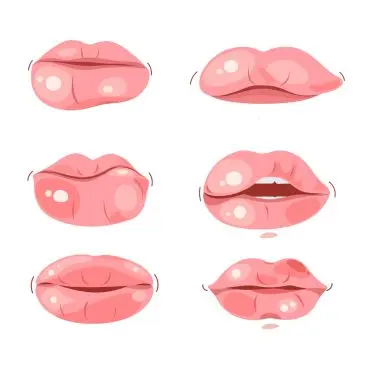
Winter skin problems are not just about looks; they can make you feel uncomfortable and affect your confidence. When your skin barrier becomes weak, moisture escapes, and irritants get in. This can cause redness, itching, and irritation. If you don’t take care of it, dry skin can turn into sore or cracked patches that take a long time to heal.
The good news is that you can prevent or fix most of these problems with the proper care routine and products. This guide will help you understand what happens to your skin in cold weather and how to keep it healthy. You’ll learn simple and effective dry skin remedies for winter, how to calm eczema flare-ups, and how to choose the best moisturiser for cold weather so your skin stays smooth and comfortable all season.
The Science of Winter Skin Dehydration
When winter arrives, changes in the weather and your daily habits can make it harder for your skin to stay hydrated. Cold air, low humidity, and indoor heating all work together to dry out your skin. Here’s how it happens and why your skin often struggles in winter.
Why cold, dry air takes away moisture
- Low humidity means faster water loss: In winter, there’s less moisture in the air, so water from your skin evaporates more easily. Heating your home makes the air even drier, pulling more water out of both the air and your skin. The American Academy of Dermatology explains that this lack of humidity makes it difficult for skin to stay soft and hydrated, leading to dryness, cracking, and flaking.
- More water escapes through the skin: Your skin naturally loses a little water all the time. In winter, this process speeds up. Studies show that spending just a few hours in a heated room can increase water loss from the skin. Using a moisturiser with ceramides can help reduce this effect and keep the skin barrier stronger.
- The skin barrier weakens: The top layer of your skin acts as a wall, composed of dead skin cells and natural oils called lipids. Cold and dry weather can damage these oils, weakening the barrier. When that happens, your skin loses water faster and becomes more open to irritants and germs. Some studies show that low temperatures can even trigger mild inflammation and barrier damage in sensitive skin.
- Skin turnover speeds up: Research from Japan found that skin tends to shed cells faster in winter. While this sounds good, it can actually make dryness worse, because the skin has less time to form a strong barrier before old cells are replaced.
- Cold triggers irritation and inflammation: Cold temperatures can send stress signals through skin cells, leading to the release of molecules that cause redness, itching, and irritation. This process can make eczemaand sensitive skin worse.
- Indoor heating makes things worse: Central heating, fireplaces, and radiators make indoor air even drier. One study found that after only a few hours in a heated room, people’s skin became rougher, redder, and lost more water unless they used a protective cream first.
Why does eczema often get worse in winter?
- Cold and dry weather triggers flares: Experts agree that these conditions are a common cause of eczema flare-ups. The International Eczema Council notes that people with eczema are susceptible to these changes in humidity and temperature.
- More eczema cases in cold months: In countries like Sweden, studies have found that more people visit clinics for eczema in the winter. This may be due to low humidity, strong winds, and lower temperatures.
- Indoor pollution adds to the problem: During winter, people spend more time indoors, where there can be more pollution from cooking, heating, and poor ventilation. Research shows that small air particles can get into damaged skin and cause irritation, leading to more flare-ups.
- Weakened skin barrier and stronger immune reactions: People with eczema already have a weaker skin barrier, which makes them more susceptible to stronger immune responses. When cold weather and inflammation are added, the skin becomes even more sensitive. This can cause more itching, redness, and allergic reactions.
- Not everyone reacts the same way: A 2023 study found that cold weather doesn’t affect everyone’s eczema in the same way. Some people have more flare-ups, while others notice only mild changes. It depends on your skin type, environment, and how well you protect your skin during winter.
|
Winter Trigger |
What It Does to Your Skin |
|
Cold air |
Reduces skin moisture and makes the surface feel tight or rough |
|
Low humidity |
Causes faster water loss, leading to flakiness and dullness |
|
Indoor heating |
Dries the air further, worsening tightness and irritation |
|
Hot showers |
Strip away natural oils, leaving skin more vulnerable |
|
Harsh cleansers |
Damage the skin barrier and increase dryness |
|
Wind exposure |
Irritates the skin and worsens redness or itching |
|
Lack of moisturising |
Allows moisture to escape and delays healing |
|
Eczema-prone skin |
Flares up more easily in dry, cold conditions |
What’s The Difference Between Dryness, dehydration, eczema, and Psoriasis?
When your skin feels sore or itchy in winter, it can be hard to tell what’s really going on. Many skin problems look and feel the same, but each one needs slightly different care. Knowing the difference helps you choose the correct remedy and prevent your skin from worsening.
Dry Skin (Lack of Oil)
Dry skin happens when your skin doesn’t make enough natural oils. It often feels tight, rough, or flaky, especially after washing your face or hands. You might notice small cracks or fine lines. The best way to help is to use richer creams or balms that add oil back into the skin and keep moisture locked in.
Common signs:
- Rough or dull-looking skin
- Flaky patches and tightness after washing
- Feels better with thick, oily moisturisers
Dehydrated Skin (Lack of Water)
Dehydrated skin is missing water, not oil. This means even oily or combination skin can be dehydrated. It happens when your skin loses water faster than it can replace it. Cold weather, indoor heating, and harsh cleansers can all cause this.
Common signs:
- Skin feels tight but may still look shiny
- Fine lines are easier to see
- Makeup goes on unevenly or looks patchy
Best care: Use a moisturiser that contains ingredients like glycerin or hyaluronic acid to draw in water, then apply a cream that helps seal it in.
Eczema (Inflamed, Itchy Skin)
Eczema often gets worse in winter because cold, dry air damages the skin barrier. This lets irritants in, causing redness, itching, and inflammation. The skin can become cracked, sore, or even leak fluid during a flare-up.
Common signs:
- Constant itching and redness
- Dry, scaly patches that may ooze or crust
- Often found on elbows, knees, hands, and the face
Best care: Use gentle, fragrance-free products and apply a thick, soothing moisturiser regularly. Avoid very hot water and harsh soaps.
Psoriasis (Thick, Scaly Patches)
Psoriasis can look like eczema, but it causes thicker, raised patches with silvery scales. It’s an immune condition, not just dry skin, and it can get worse in winter due to stress, infections, or lack of sunlight.
Common signs:
- Red, raised plaques with silvery-white scales
- Usually appears on the scalp, knees, or elbows
- Can itch, but not as much as eczema
Best care: Psoriasis needs medical treatment. Moisturisers can help soothe the skin, but you should speak to a doctor for proper management.
If your skin becomes painful, starts bleeding, or the rash spreads quickly, it’s time to get help from a healthcare professional. They can check whether it’s eczema, psoriasis, or another skin condition and recommend the proper treatment.
|
Condition |
Main Cause |
Common Signs |
Main Areas Affected |
Best Care |
|
Dry Skin |
Not enough natural oil |
Rough, tight, flaky skin; fine lines |
Face, hands, legs |
Use rich, oil-based creams or balms to lock in moisture |
|
Dehydrated Skin |
Loss of water from the skin |
Tight but may look shiny; fine lines; patchy makeup |
Any skin type |
Use humectants (like glycerin or hyaluronic acid) and a barrier cream |
|
Eczema |
Weak skin barrier and irritation |
Red, itchy, cracked, or oozing patches |
Elbows, knees, hands, face |
Gentle, fragrance-free products and thick soothing moisturisers |
|
Psoriasis |
Immune system overreaction |
Red, raised plaques with silvery scales |
Scalp, knees, elbows |
Needs medical treatment; moisturisers can help soothe skin |
Targeted Remedies for Common Winter Skin Problems
Cold weather can make your skin feel dry, itchy, or sore. If you already have sensitive skin or eczema, winter can make things worse. The good news is that with the proper care, you can stop dryness before it turns into a flare-up. These simple steps will help you calm, protect, and care for your skin during the colder months.
Dry Skin Winter Remedy
When the air is cold and dry, your skin loses water more quickly. To stop that, you need to add moisture and then seal it in.
Simple tips that work:
- Moisturise straight after washing. Gently pat your skin dry, but leave it slightly damp before applying your cream. This helps lock in water.
- Use a thicker cream or balm. Swap light lotions for richer moisturisers with ceramides, shea butter, or petrolatum.
- Take shorter showers. Use warm (not hot) water and try to keep them under 10 minutes.
- Add a humidifier at home. Heating makes indoor air very dry. Aim for 40 to 50% humidity to keep your skin hydrated.
- Use gentle cleansers. Choose fragrance-free and soap-free products so you don’t strip away your skin’s natural oils.
With these habits, dry skin usually starts to improve within a few days.
Eczema Flare-Up in Winter – Calm and Control
Cold air and heating can trigger eczema flare-ups. When your skin barrier becomes weak, irritants get in and cause redness and itching.
What helps:
- Keep your routine simple. Use only fragrance-free products. The fewer ingredients, the less chance of irritation.
- Moisturise often. Apply a thick cream or ointment at least twice a day, even on skin that looks normal.
- Use barrier-repair ingredients. Ceramides, urea, and colloidal oatmeal help strengthen and protect your skin.
- Try the wet wrap method. After moisturising, cover the area with a damp cotton cloth, then a dry one for 1 to 2 hours. This helps soothe itching.
- Wear soft clothes. Pick cotton or bamboo fabrics and avoid wool next to your skin.
- Keep your nails short. This helps stop damage if you scratch while sleeping.
If your eczema keeps coming back or gets worse, speak to a doctor for extra help or treatment.
Remedies for Itchy Skin
Itchy skin can be hard to ignore, but scratching only makes it worse. The goal is to cool, calm, and protect your skin so the urge to scratch fades.
Easy ways to soothe an itch:
- Have a lukewarm oatmeal bath once or twice a week.
- Place a cool, damp cloth on itchy areas for 5 to 10 minutes.
- Use creams with aloe vera or a little menthol for a cooling effect.
- Avoid toners or sprays with alcohol or fragrance; they can sting and dry out your skin even more.
Lips, Hands, and Other Trouble Spots
Some areas, like your lips and hands, need extra care during winter.
Quick care guide:
- Lips: Use a balm with shea butter, lanolin, or petrolatum. Try not to lick your lips—it makes them drier.
- Hands: After washing, always apply a rich hand cream. At night, use a thick layer and wear cotton gloves to lock in moisture.
- Feet and heels: Gently remove dry skin once a week, then use a cream with urea to soften rough spots.
Winter doesn’t have to mean dry or itchy skin. By using gentle products, moisturising often, and protecting your skin from cold air, you can keep it soft, healthy, and comfortable all season long.
|
Skin Problem |
Main Cause |
Common Signs |
Quick Remedies |
|
Dry Skin |
Cold air and low humidity remove natural oils |
Tight, rough, or flaky skin |
Moisturise after washing, use thick creams with ceramides or shea butter, take warm (not hot) short showers, and use a humidifier |
|
Eczema Flare-Up |
Weak skin barrier and irritation from cold or heat |
Red, itchy, cracked patches |
Use fragrance-free creams, moisturise often, try wet wraps, wear soft clothes, and keep nails short |
|
Itchy Skin |
Dryness or irritation |
Strong urge to scratch, redness |
Cool cloth for 5–10 mins, oatmeal baths, aloe vera or menthol creams, avoid alcohol or fragrance products |
|
Dry Lips |
Cold, wind, or licking lips |
Cracked or sore lips |
Use balm with shea butter, lanolin, or petrolatum; avoid licking lips |
|
Dry Hands |
Frequent washing and cold air |
Rough, cracked skin |
Apply hand cream after washing, use a thick layer before bed with cotton gloves |
|
Dry Feet/Heels |
Lack of moisture and friction |
Hard, rough skin |
Gently remove dry skin weekly, and apply urea-based cream |
Building a Winter-Proof Skincare Routine
Choosing the right skincare products in winter can make a big difference. You don’t need a shelf full of fancy bottles; just a few good products with the right ingredients can keep your skin soft, smooth, and protected. Understanding what each ingredient does helps you pick the best moisturiser for cold weather and get the most out of it.
The Three Main Types of Moisturising Ingredients
Think of moisturising as three simple steps: add water, smooth the surface, and seal it in. Each step uses a different type of ingredient.
|
Type |
What It Does |
Common Ingredients |
|
Humectants |
Pull water into your skin to keep it hydrated |
Glycerin, hyaluronic acid, urea, panthenol |
|
Emollients |
Smooth rough or flaky areas and make skin feel soft |
Squalane, shea butter, jojoba oil, triglycerides |
|
Occlusives |
Form a protective layer that stops water from escaping |
Petrolatum, beeswax, dimethicone, mineral oil |
The best moisturisers usually mix all three types to give your skin deep, lasting hydration.
Ingredients That Help Repair the Skin Barrier
Your skin barrier acts like a wall that keeps moisture in and irritants out. Cold weather can make that wall weaker. These ingredients help rebuild and protect it:
- Ceramides: Strengthen the barrier and stop water loss.
- Cholesterol: Keeps skin flexible and smooth.
- Free fatty acids: Help keep skin soft and prevent cracks.
- Colloidal oatmeal: Soothes irritation and reduces redness.
When you buy a cream for dry skin, check the label to see if it contains these barrier-repairing ingredients.
What to Avoid in Cold Weather
Some products that feel fine in summer can be too harsh when it’s cold. Try to avoid:
- Strong exfoliants such as high-level acids or rough scrubs
- Products with fragrance or alcohol (they can sting and dry the skin)
- Foaming cleansers that remove too much natural oil
- Using too much retinol if your skin already feels dry or sensitive
Gentle skincare helps your skin stay calm and balanced through winter.
How to Pick the Best Moisturiser for Cold Weather
Different skin types need different textures. Use this quick guide:
|
Skin Type |
Best Texture |
Look For |
|
Normal to dry |
Rich cream |
Ceramides, cholesterol, shea butter |
|
Very dry or eczema-prone |
Thick balm or ointment |
Petrolatum, dimethicone, oatmeal |
|
Oily but dehydrated |
Light gel-cream |
Glycerin, hyaluronic acid, squalane |
|
Sensitive |
Simple, fragrance-free cream |
Few ingredients, no alcohol |
Tip: In winter, choose moisturisers in tubes or pump bottles instead of open jars. This keeps the product clean and working well.
When to Moisturise
- Morning: Apply after cleansing to protect your skin before going outside.
- After washing hands or showering: Reapply while your skin is still slightly damp to lock in moisture.
- Before bed: Use a thicker cream or balm to help your skin recover overnight.
Healthy winter skin comes from gentle care and the right ingredients. Choose creams or balms that repair your barrier, avoid harsh products, and moisturise often. The best moisturiser for cold weather is the one that keeps your skin soft, calm, and comfortable every day.
Lifestyle and Environment Adjustments That Make a Big Difference
Looking after your skin in winter isn’t only about what you put on it. The air around you, the temperature of your water, and even what you eat can all affect how dry or itchy your skin feels. A few small changes can make your dry skin winter remedy routine work even better.
- Add moisture to the air. Use a humidifier at home, especially in bedrooms or living rooms where the heating is on. It helps your skin stay hydrated overnight.
- Watch your shower habits. Keep showers short and use warm, not hot, water. Hot water can strip away natural oils.
- Stay hydrated. Drink plenty of water and include foods rich in healthy fats, such as salmon, nuts, and avocados, which support skin repair.
- Dress in soft layers. Cotton and bamboo fabrics are gentle on the skin. Avoid wool or rough materials that can cause itching.
- Sleep and stress control. Poor sleep and stress can make eczema and dryness worse, so aim for regular relaxation.
These simple lifestyle tweaks support your skincare routine and help your skin stay soft, calm, and healthy all winter long.
Conclusion
Winter can be hard on your skin, but with the proper care, you can keep it smooth and comfortable all season. Be gentle when you wash your skin, moisturise often, and protect it from the cold. Small changes like using a humidifier, wearing soft clothes, and using the right cream for dry skin can make a big difference.
If your skin stays very dry, itchy, or if you have an eczema flare-up, it’s a good idea to get help from a doctor. You can contact Mobi Doctor for an online consultation and get expert advice on how to care for your skin.