What Is Cholesterol and Why Does It Matter?
Cholesterol is a fatty substance in your body that helps it work properly. Your body uses cholesterol to build cells, produce some hormones, and support digestion.
You get cholesterol in two ways. Some comes from the food you eat, and most of it is made by your liver.
Problems start when cholesterol levels get too high. Extra cholesterol can build up in your blood vessels, narrowing them. This can slow down blood flow.
Over time, high cholesterol raises the risk of heart disease, heart attacks, and strokes. Keeping your cholesterol at a healthy level helps protect your blood vessels and supports long-term heart health.
Types of Cholesterol Explained Simply
Not all cholesterol affects your health in the same way. A blood test checks different types of cholesterol, and each one does something different.
- LDL cholesterol is often called bad cholesterol. When levels are high, they can build up inside blood vessels, narrowing them. This raises the risk of heart disease and stroke.
- HDL cholesterol is known as good cholesterol. It helps remove excess cholesterol from the blood and return it to the liver, where it can be broken down and removed.
- Triglycerides are another type of fat found in the blood. High levels often happen with high LDL cholesterol and can increase the risk of heart problems.
- Non-HDL cholesterol refers to all cholesterol that can cause fatty buildup in the arteries. Doctors often look at this number because it gives a clearer picture of heart health.
What Causes High Cholesterol
High cholesterol usually has multiple causes. For most people, it happens due to a combination of lifestyle habits, family history, and health conditions.
Diet and Lifestyle
Eating a lot of saturated and processed foods can raise bad cholesterol. Being inactive and sitting for long periods can also make it harder for the body to regulate fat levels. Carrying extra weight, especially around the tummy, is linked to higher cholesterol and triglycerides.
Genetics
Some people are born with genes that cause their livers to produce too much cholesterol. This means cholesterol levels can stay high even if they eat well and exercise. A family history of high cholesterol or early heart disease can be a warning sign.
Age, Hormones, and Health Conditions
Cholesterol levels often rise as people get older. Changes in hormone levels can also affect cholesterol levels. Certain health conditions, such as type 2 diabetes or an underactive thyroid, can increase cholesterol and raise the risk of heart problems.
Knowing the main cause of high cholesterol helps decide whether lifestyle changes are enough or if medical advice is needed.
Can You Lower Cholesterol Naturally
Many people can lower their cholesterol naturally, especially if their levels are only slightly or moderately elevated. Lifestyle changes work best when high cholesterol is linked to diet, insufficient physical activity, or excess weight.
Eating healthier foods, being active most days, and stopping smoking can lower bad cholesterol and triglycerides. These changes can also help raise good cholesterol. Some people notice clear improvements within a few months.
However, natural methods do have limits. If cholesterol levels are very high, or if high cholesterol runs in the family, lifestyle changes may not be enough on their own. In these cases, getting medical advice can help find the safest and most effective plan.
Diet Changes That Help Lower Cholesterol
Diet is one of the best natural ways to lower cholesterol. The main goal is to choose healthier fats and eat more foods that help remove cholesterol from the body.
Foods That Help Lower Bad Cholesterol
Some foods help lower bad cholesterol by preventing its absorption or by helping the body use fats more effectively.
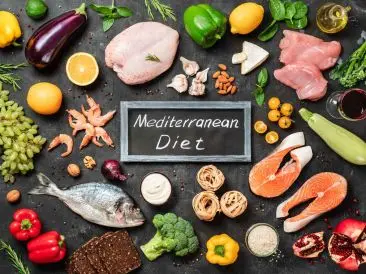
Foods high in soluble fibre are especially helpful. These include oats, barley, beans, lentils, fruit, and vegetables. Eating these foods often can lower LDL cholesterol over time.
Nuts and seeds contain healthy fats that can help improve cholesterol levels when eaten in small amounts. Oily fish, such as salmon, sardines, and mackerel, provide omega-3 fats that help lower triglycerides and protect the heart.
Using unsaturated fats instead of saturated fats can also help. For example, using olive oil instead of butter can lower bad cholesterol without cutting out fat completely.
Foods and Fats to Limit
Saturated fats can raise bad cholesterol. These are often found in fatty meats, fried foods, processed foods, and full-fat dairy products. Foods high in sugar and refined carbohydrates can also upset cholesterol levels, especially triglycerides.
A diet based on whole foods, sensible portions, and healthier fats is easier to stick to and works better than strict or restrictive diets.
|
Food |
Key nutrient |
Effect on LDL cholesterol |
How often to include |
|
Oats and barley |
Soluble fibre (beta-glucans) |
Reduces cholesterol absorption |
Most days |
|
Beans and lentils |
Soluble fibre |
Lowers LDL and supports digestion |
Several times per week |
|
Fruit and vegetables |
Fibre and antioxidants |
Supports cholesterol removal |
Daily |
|
Nuts and seeds |
Unsaturated fats |
Improves cholesterol balance |
Small portions most days |
|
Fatty fish |
Omega-3 fats |
Lowers triglycerides |
1 to 2 times per week |
|
Olive oil |
Monounsaturated fat |
Replaces saturated fat |
Regularly, in moderation |
How Plant Sterols Lower Cholesterol
Plant sterols are natural substances found in small amounts in plant-based foods. They resemble cholesterol, which helps block it in the gut.
When you eat foods with plant sterols, less cholesterol from food gets into the bloodstream. Instead, it passes through the body and is removed in the poo. This can lower LDL cholesterol, the bad kind, without lowering good cholesterol.
Most people do not get enough plant sterols from normal foods alone. Some spreads and yoghurts contain extra plant sterols, which can help increase intake.
For adults, about 1.5 to 2.4 grams of fibre a day is often recommended to help lower cholesterol. Plant sterols work best when used alongside a healthy diet and other lifestyle changes, not on their own.
Exercise and Physical Activity
Regular exercise helps your body better handle blood fats. Being active can lower bad cholesterol and triglycerides, while helping raise good cholesterol.
Doing moderate activity for about 30 minutes on most days is enough to help cholesterol levels. Activities like brisk walking, cycling, or swimming that make your heart beat faster all work well.
Being active regularly is more important than working out very hard. Simple changes, like walking short distances instead of driving or taking regular breaks to move during the day, can help keep cholesterol levels healthy and support long-term heart health.
Stop Smoking to Improve Cholesterol Balance
Smoking has a harmful effect on cholesterol levels and blood vessels. It lowers good cholesterol, which helps clear excess cholesterol from the blood, and damages the inner walls of blood vessels.
When you stop smoking, good cholesterol starts to rise. The balance between good and bad cholesterol improves, and blood vessels become healthier. Quitting also lowers swelling in the body and reduces the risk of heart disease, no matter how long you have smoked.
Stopping smoking is one of the best lifestyle changes you can make for your heart, especially when combined with healthy eating and regular physical activity.
How Long Does It Take to Lower Cholesterol Naturally
Lowering cholesterol naturally takes time, and it varies for everyone. Most people who make steady changes to their diet and lifestyle start to see improvements within 4 to 12 weeks.
How fast cholesterol levels improve depends on a few things. These include baseline cholesterol levels, how well diet changes are followed, physical activity, body weight, and family history. Eating less saturated fat and more soluble fiber often makes the biggest difference in the first few months.
Cholesterol levels are usually checked again after a few months to see how things are going. If levels are still high after keeping up healthy changes, medical advice may be needed to lower the risk of heart disease in the long term.
Common Mistakes People Make When Trying to Lower Cholesterol
Even when people are trying hard, small mistakes can slow down progress.
Cutting Out All Fat
Some people try to avoid fat completely, but this is not helpful. Your body needs healthy fats to work properly. Swapping unhealthy fats for healthier ones, like olive oil, nuts, and fish, works much better than removing fat altogether.
Relying on Supplements Only
Supplements are sometimes seen as an easy solution. While some can help a little, they do not fix the main causes of high cholesterol. Healthy eating, regular physical activity, and managing body weight remain the most important steps.
Ignoring Portion Sizes
Even healthy foods can cause weight gain if eaten in large amounts. Too many calories can raise cholesterol and triglycerides, even when food choices are good.
Expecting Fast Results
Cholesterol does not change overnight. It usually takes weeks or months of steady lifestyle changes to see results. Long-term habits are more important than quick fixes.
When Lifestyle Changes Are Not Enough
Healthy lifestyle changes are a good first step, but they do not work the same way for everyone. Some people still have high cholesterol even after eating well, being active, and improving other habits.
People with a strong family history of high cholesterol may have genes that cause the liver to produce excess cholesterol. In these cases, natural methods may not lower bad cholesterol enough on their own.
Lifestyle changes may also have less effect if LDL cholesterol is very high or if someone already has heart or blood vessel disease. Health conditions like diabetes can raise risk and make cholesterol harder to control.
If cholesterol levels remain high after a few months of steady lifestyle changes, medical advice can help assess risk and consider other treatment options if needed.
|
Lifestyle change |
Expected LDL reduction |
Typical timeframe |
|
Reducing saturated fat |
Moderate reduction |
4 to 8 weeks |
|
Increasing soluble fibre |
Moderate reduction |
4 to 12 weeks |
|
Regular physical activity |
Mild to moderate improvement |
8 to 12 weeks |
|
smVariable, often significant |
Ongoing |
|
|
Stopping smoking |
Improves HDL and balance |
Weeks to months |
Conclusion
Many people can lower their cholesterol naturally by making steady lifestyle changes. Eating a balanced diet with healthier fats, staying active, managing weight, and stopping smoking can all lead to real improvements over time.
For some people, natural methods may not be enough on their own. Extra guidance may be needed to safely lower long-term heart risk.
Mobi Doctor can help by offering an online consultation with a qualified healthcare professional. This allows adults to discuss cholesterol levels, lifestyle changes, and suitable treatment options clearly and supportively.